Phnom Penh (AsiaNews) – Australia's Catholic bishops have warned against a rise in "us and them" politics in the country and increasingly divisive rhetoric over immigration and national values.
The warning comes amid fears that divisions and rows over immigration, multiculturalism and involvement in international bodies, such as the World Health Organisation and the United Nations, could damage the country's international reputation and undermine its "soft power" ability to influence regional and world affairs.
On 7 August, the Australian Catholic Bishops' Conference (ACBC) issued a second Social Justice Statement this year, and this, for the first time, in the 86-year history of the statement, to prevent "message crowding in an increasingly complex world.”
The launch is timed for the lead-up to the Australian Church's Social Justice Sunday on 30 August, which kicks off Social Justice Week.
The statement focuses on rising antisemitism, Islamophobia, and other forms of racism.
"In recent times, the sense that we can live together in Australia in peace and harmony – what is sometimes called ‘social cohesion’ – has been threatened by a growing polarisation of views about important issues in politics and in the community,” the bishops say.
“While there is nothing wrong with people holding opposing views and seeing things differently, regrettably, this polarisation has been accompanied by harsh words, discrimination against people of certain faiths and races and even horrifying violence.
“Our society has for some time now witnessed an alarming rise in antisemitism, Islamophobia, and other forms of racism. The tragic massacre of 15 Jews in Sydney in December 2025 marks a grave escalation in violent hatred and signals a troubling decline in community safety and social cohesion.”
Last December's massacre on Sydney's world-famous Bondi Beach by a Muslim father and son inspired by the Islamic State did major damage to Australia's international reputation as a tolerant and welcoming society.
And a wave of antisemitism, including fire bombings of synagogues, is doing the same in the Jewish community.
Global human rights bodies, such as Human Rights Watch and Amnesty International, and diaspora watchdogs say Australia has experienced one of the steepest percentage surges in anti-Jewish hostility among Western nations in recent years.
This has triggered intense international scrutiny of its social stability and security measures, damaging not only the country's long-standing international reputation as a safe, tolerant, and cohesive multicultural democracy, but also its moral authority and globally recognised ability to use soft power.
The Bondi attack is not the only recent stain on that image. A 2023 referendum rejection of a proposal to recognise First Nations people in the Constitution and create a national advisory body, and Australia's treatment of refugees and asylum seekers have also hurt its international standing.
The Social Justice Statement comes against the backdrop of the rise of Pauline Hanson, a populist, anti-immigration political leader whose core beliefs echo Donald Trump's, and her right-wing One Nation Party, which is challenging the government and opposition in opinion polls.
Her comments are widely seen as fuelling division.
The bishops' statement did not mention Hanson by name, but Bishop Tim Harris, who chairs the Bishops’ Commission for Social Justice, Mission and Service that oversees production of the statement, is an outspoken Hanson critic.
"We need to ensure that we support positions that build people up and give them the dignity they deserve," he said on the eve of the statement launch.
"Yes, we are all flawed, but from my perspective we must not embrace extremism or populism in any form.
"Many of the statements from Pauline Hanson and One Nation figures are jarring and bringing out the worst in us.”
Darren Lim, a senior lecturer in the School of Politics and International Relations at the Australian National University cautioned there is a difference between polling strongly and affecting policy.
“I would be concerned is if her popularity translated into Australian disengagement from regional institutions, large cuts to aid, or a retreat from multiculturalism as an organising principle of Australian society,” he told AsiaNews.
“Those things would affect the relationships and networks through which a middle power such as Australia actually exercises influence.
“She links international institutions to lost sovereignty; and links foreign aid to the claim that political elites care more about outsiders than Australians.”
Jocelyn Chey, a former diplomat, academic and Fellow at the Australian Institute of Foreign Affairs warns the current debate threatens Australia's position in the eyes of the world, especially in Asia – a region of vital importance.
“A significant portion of the population is experiencing increased discrimination based on race or religion,” she wrote in Pearls and Irritations, an online academic forum published by former diplomat John Menadue.
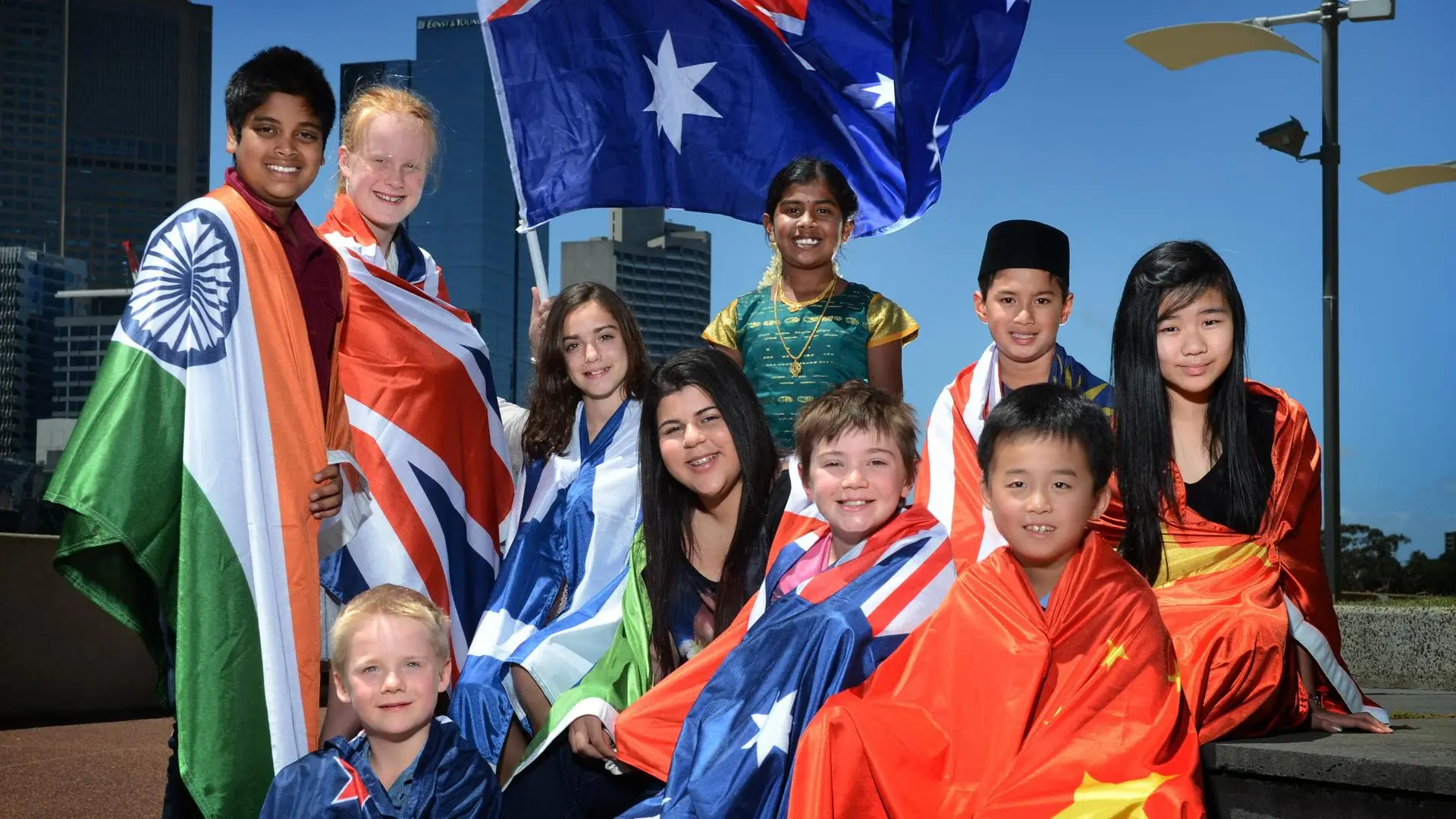
“Addressing this is crucial for maintaining the credibility of Australia’s international reputation as an open, tolerant, and egalitarian society.
“A diverse diplomatic corps, equipped with linguistic skills and cultural knowledge, can navigate complex political landscapes, particularly in Asia and the Pacific.
“The ability to present itself as a diverse, welcoming, and egalitarian nation will enhance Australia’s credibility on the global stage, especially when advocating for human rights and rules-based trade.”