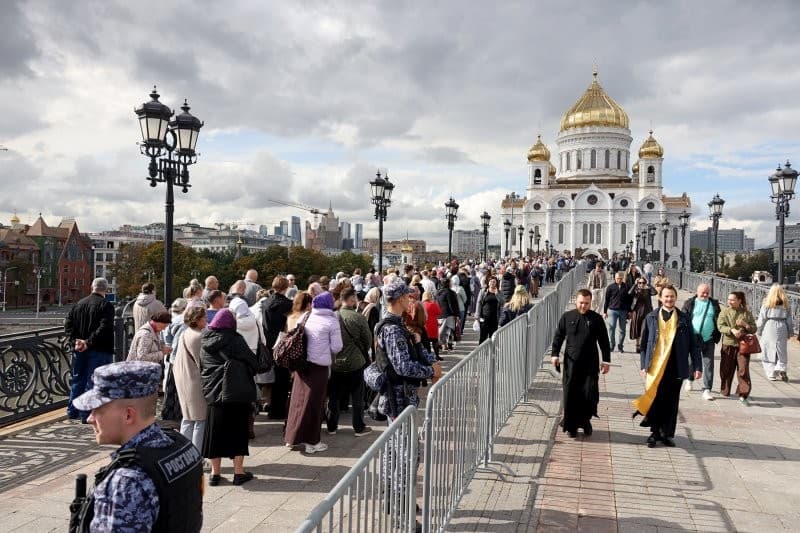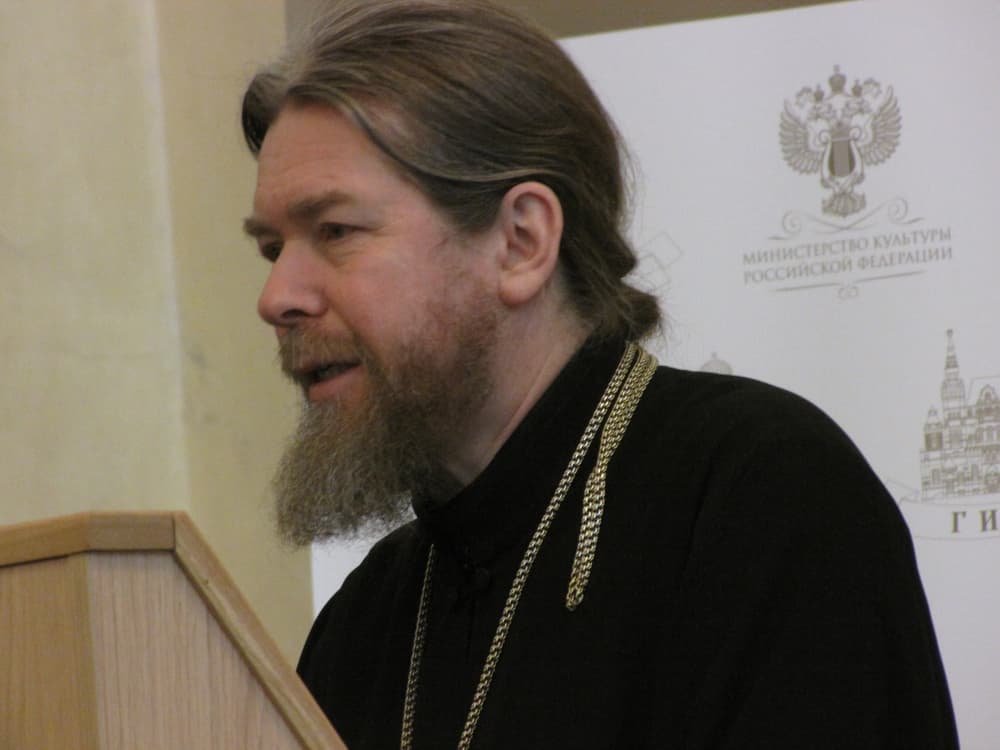
Moscow (AsiaNews) – The Orthodox Patriarch of Moscow, Kirill (Gundjaev), travelled as he does every year to Kazan, the capital of the Republic of Tatarstan in the Urals, to mark the feast day of the sacred icon of Our Lady of Kazan, a symbol of Russian victories in wars, the last official copy of which was returned by the Vatican in 2004 after a long and eventful history.
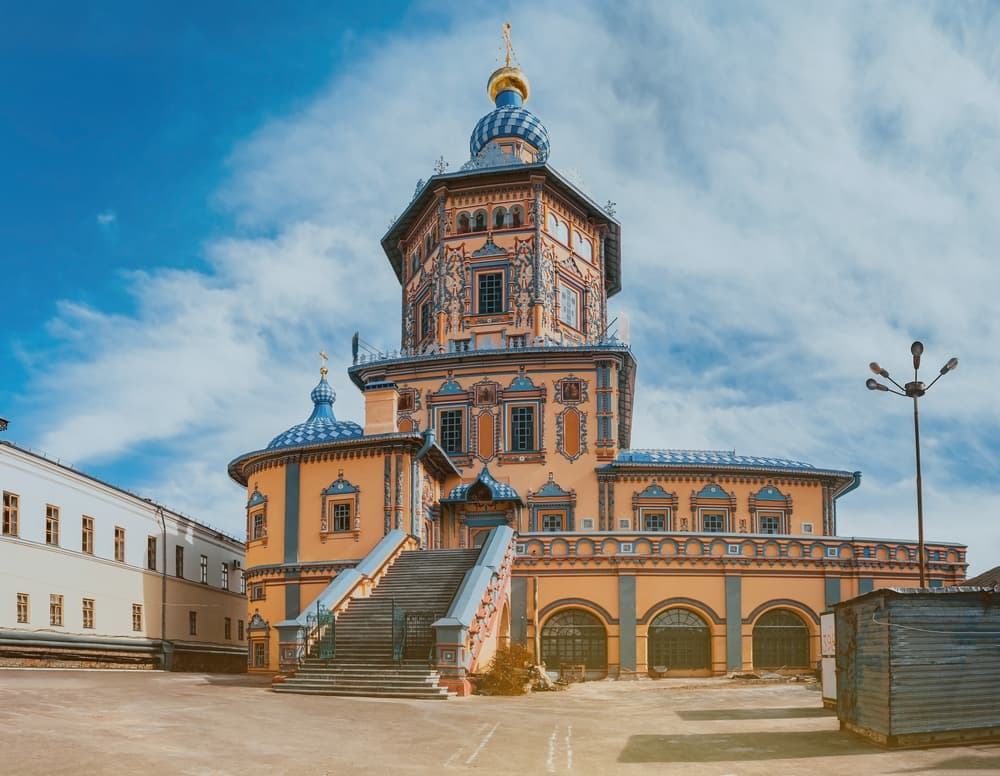
The Patriarch also attached particular importance to his visit to the Cathedral of Saints Peter and Paul, which this year marks its 300th anniversary and stands as one of the most famous architectural monuments and spiritual symbols of the city, which was reconquered by Ivan the Terrible in 1552, bringing an end to the last great Tatar-Mongol Khanate and opening the gates of Asia to Russia.
The construction of this grand stone cathedral is, moreover, linked to Emperor Peter the Great’s visit to Kazan during his campaign against Persia. On 27 May 1722, the Tsar arrived in the city and stayed at the home of the merchant Ivan Mikhljaev. To commemorate this event, Mikhljaev decided to replace the small wooden church with a majestic two-storey stone cathedral.
The foundation stone of the cathedral was laid in 1723; construction proceeded very rapidly for the time, and the cathedral was consecrated in 1726. In the same year, a large, separate bell tower was erected alongside the church. Throughout its long history, the cathedral suffered numerous fires: in 1742, 1749, 1774, 1815 and 1842.
Particularly severe damage occurred in 1815: the parish was forced to move to the nearby Gostinodvorskaya Church for nine years, but between 1824 and 1825 the cathedral was restored. During the Soviet period, the cathedral continued to operate until 1939, and after its closure it was officially designated an architectural monument, protected by the state. From the 1950s to the 1980s, the building housed a planetarium.
In 1989, thanks to the efforts of Bishop Anastasius of Kazan and the activism of the faithful, the cathedral was returned to the Church. Although no religious services had been held there for around fifty years, the church retains its ancient seven-tiered iconostasis, richly decorated in the Russian Baroque tradition.
Patriarch Kirill then commented that “when one looks at these churches, which have withstood a period of devastation and the destruction of sacred places, one realises how much stronger God’s power is than that of man. Those human forces that had set themselves the task of destroying religious faith in our country have vanished, but we remain: we are the Church of God. Churches are being restored, renovated and new ones built, because God’s power is stronger than that of man. And the great mistake of those who do not believe in God is that they do not place their trust in His power’.
To mark the occasion, Kirill presented an icon of the Blessed Matrona of Moscow, the Matuška, a great miracle-worker, a woman blind from birth who could neither stand nor walk and could see nothing. “The only connection she had with the world around her was the sense of touch; she could feel things with her hands and, it seems, certain images would form in her mind,” recalled the Patriarch. “Even during those godless times in the Soviet Union,” he added, “people would go to her, including high-ranking party officials.” It is said that even Joseph Stalin went to her to seek advice at the time of the Nazi invasion.
The Patriarch then visited the exhibition set up in the square in front of the cathedral, which displayed the work of students from the ‘Sogno’ leisure centre for people with disabilities, and addressed them, saying that “when a person wants to achieve something without making an effort, they very often fail at some point in their life; but if they know how to work hard and achieve the goals they set themselves, they become a successful and therefore happy person. I bless you all on this journey through life: do not be afraid to learn; therefore, let us believe in God, love our homeland and work hard.”