Islamabad (AsiaNews) – Pakistan has announced four successful missile tests in approximately six weeks, highlighting the country's accelerating military modernisation programme. However, the latest developments have also brought renewed attention to a difficult question facing millions of Pakistanis: how can a country strengthen its defence capabilities while a large proportion of its population struggles to afford food, healthcare, education and decent housing?
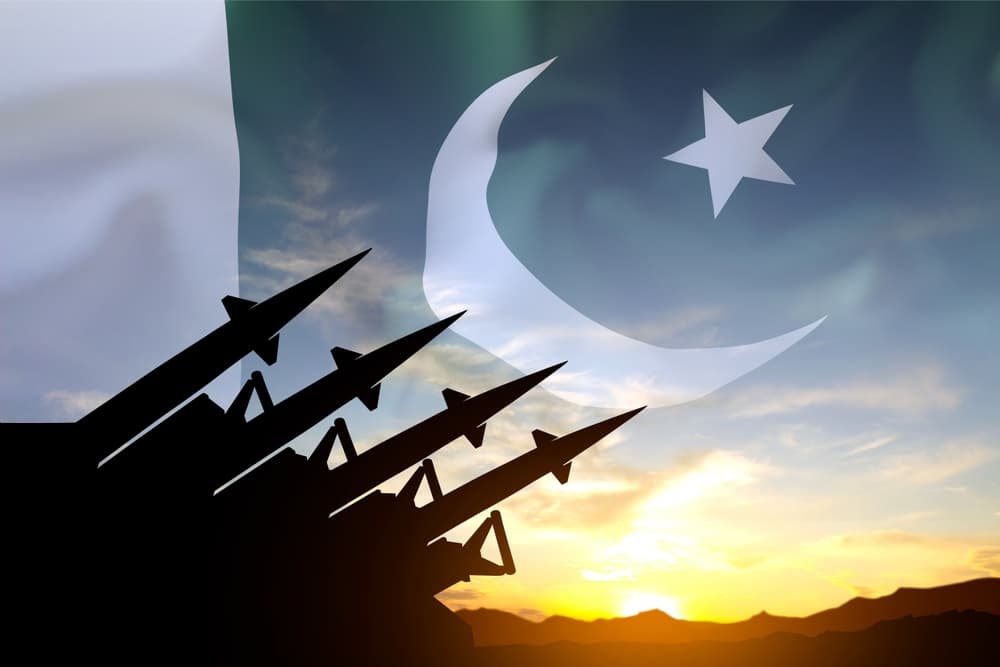
Between 6 October and 18 November 2026, Pakistan announced successful tests involving four missile systems: the extended-range FATAH-IV, FATAH-II, FA'AZ air-to-air missile and FATAH-III supersonic cruise missile. The tests reflect the country's emphasis on indigenous defence technology, precision-guided weapons and strengthening its conventional military capabilities.
The latest test took place on 18 November, when the Pakistan Army successfully launched the FATAH-III supersonic cruise missile. According to the Inter-Services Public Relations (ISPR), the weapon is equipped with advanced navigation and propulsion systems and is designed to engage long-range targets with high precision at supersonic speeds.
The military described the launch as an important milestone in strengthening national defence and conventional deterrence. The test was witnessed by the Commander of the Army Rocket Force Command, senior military officers, scientists and engineers.
Interior Minister Mohsin Naqvi congratulated the country's scientists and engineers, describing the achievement as a significant advancement in Pakistan's defence sector.
Earlier, on 6 October, the military announced the successful test of the extended-range FATAH-IV ground-launched cruise missile. Another test involving the FATAH-II extended-range system followed on 13 October. In November, the Pakistan Air Force announced the successful flight test of FA'AZ, described as Pakistan's first indigenously developed air-to-air missile.
These developments demonstrate the growing technical capacity of Pakistan's defence industry. Nevertheless, the country's economic and social realities raise important questions about the balance between national security, public spending and the urgent needs of ordinary citizens.
Millions struggling below the poverty line
According to the World Bank's October 2026 Poverty and Equity Brief, Pakistan's national poverty rate increased from 22 per cent in 2018-19 to approximately 29 per cent in 2024-25, leaving around 70 million people living in poverty.
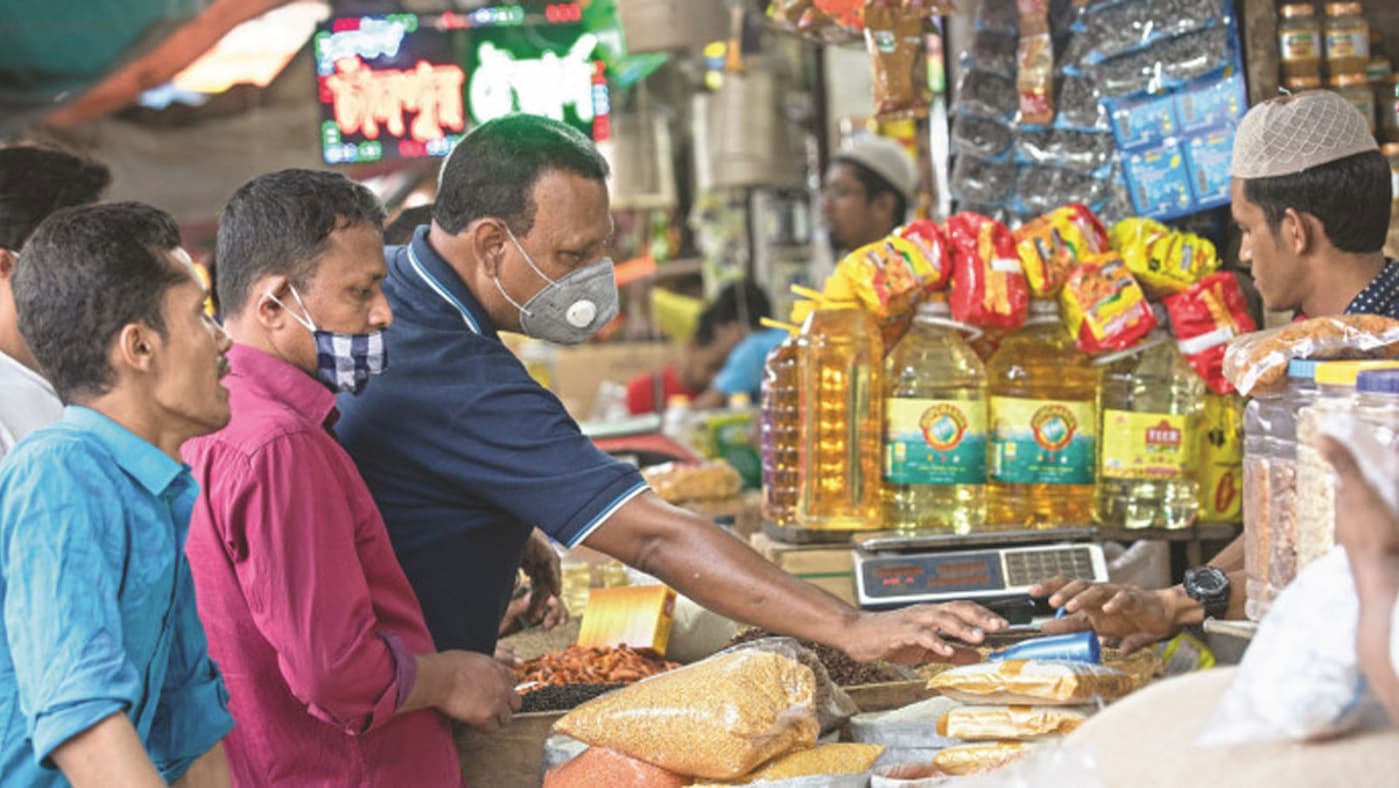
The figures reveal the scale of the social crisis in a country of more than 240 million people. Behind these statistics are families struggling to pay school fees, patients unable to afford medicines, daily-wage workers facing irregular employment and parents who must make painful decisions about household expenses.
The situation is particularly difficult in rural communities, where access to healthcare, education, clean drinking water and employment opportunities remains limited. According to Pakistan's Economic Survey 2025-26, rural poverty reached 36.2 per cent, compared with 17.4 per cent in urban areas.
For millions of low-income households, economic hardship is not simply a question of statistics. It determines whether children remain in school, whether a family can afford three meals a day and whether a sick person receives timely medical treatment.
The human cost of economic hardship
The World Bank has also highlighted the deterioration in household purchasing power. Real wages declined by an average of 3.4 per cent annually between 2018-19 and 2024-25, as wage increases failed to keep pace with inflation and the growing supply of workers.
The employment challenge is equally serious. Approximately 3.5 million people enter Pakistan's workforce every year, while job creation has failed to keep pace with the number of new entrants.
For poor families, rising living costs mean difficult choices between food, rent, electricity bills, transport and children's education. Many parents depend on informal employment and daily wages without job security, pensions or adequate social protection.
Religious minorities and economically disadvantaged communities also face barriers to equal opportunities. In some areas, vulnerable families struggle with limited access to quality education, healthcare and decent employment, making economic independence particularly difficult.
National security and social responsibility
Pakistan's security concerns cannot be dismissed. The country faces regional military competition, terrorism and internal security challenges. Developing indigenous defence technology can contribute to national security and reduce dependence on foreign suppliers.
However, the financial costs of the four missile programmes have not been publicly disclosed in the announcements, and it would be inaccurate to suggest that their budgets could automatically be transferred to social welfare programmes.
Nevertheless, the rapid succession of military announcements provides an opportunity for a wider public discussion about national priorities, transparency and the distribution of public resources.
The central concern is not whether Pakistan should defend its borders, but whether national development can advance alongside defence modernisation. Strong national institutions also depend on educated children, healthy citizens, economic opportunities and equal protection for vulnerable communities.
The government has allocated substantial resources to social protection. Pakistan's Economic Survey 2025-26 reported an allocation of Rs 722.49 billion for the Benazir Income Support Programme in FY2026. Yet the rising poverty figures demonstrate the continuing need for effective assistance and sustainable employment opportunities.
For ordinary Pakistanis, national progress must be measured not only through military technology, scientific achievements or strategic capabilities, but also through improvements in everyday life.