.PNG&w=3840&q=75)
Dhaka (AsiaNews) – This week, a bright pink bus travelled along some of the streets of the Bangladeshi capital, driven by 28-year-old Khadija Akhter and carrying more than just passengers.
For many women in Dhaka, in fact, public transport has long been virtually unusable due to safety concerns arising from overcrowding and the harassment they face – now daily worries. For this reason, the new service represents a small but equally significant step towards safer travel and greater visibility and presence of women in public life.
On 18 August, the Bangladesh Road Transport Corporation (BRTC) officially launched its new women-only bus service, putting 10 buses into service on the capital’s main routes. Further buses serving the same purpose have also been introduced in Chittagong, Bogura and other districts. What makes this initiative unique is the fact that the buses are operated entirely by women. Both the drivers and the ticket collectors are women – a rare sight in Bangladesh’s public transport sector.
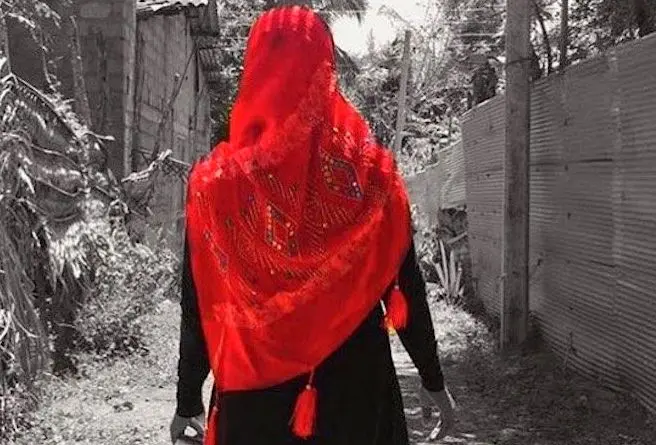
For Akhter, this role marks an extraordinary personal journey. Once a housewife, she took a driving course in 2021 and subsequently became an instructor. Today, she is one of the first female drivers on the new service. Her success, however, has come at a price: showing some messages on her mobile phone, she explained that she has been subjected to online harassment and derogatory comments ever since her photo appeared in the mainstream media and on social media following the launch of the service. “We expected difficulties,” she said. “People may well criticise us, but we will carry on with our work.”
Several female workers interviewed by AsiaNews at the BRTC depot in Motijheel expressed similar concerns. Although many were enthusiastic when the project was announced, some have become reluctant to speak about it in public after facing online attacks and hostile comments. One female driver, who asked to remain anonymous, explained that she had completed the driver training programme at the transport authority six years ago, before working as an instructor in Manikganj. “It’s lovely to serve female passengers,” she said. “Many thank us when they get off the bus. Some people say negative things, but I don’t pay any attention to them.’ In particular, she believes the initiative aims as much to change social attitudes as it does to improve transport. ‘Male drivers, too,’ she emphasises, ‘face difficulties on the road. Why should people only question women? We want to prove that women are capable and can do this job well.’
The launch of this initiative comes as Bangladesh continues its efforts to expand women’s participation in the workforce and public life. Although the Asian country has made significant progress in women’s education, employment and political leadership, women still face significant barriers in public spaces. For many female commuters, public transport remains one such barrier.
Women often report overcrowding, unwanted and inappropriate physical contact, and verbal harassment whilst travelling on the capital’s public transport. Against this backdrop, many have welcomed the new buses as a concrete response to a persistent problem.
Among them is the Catholic driver Kakoly Gomes, who described the initiative as a positive development for female commuters. “Travelling on public buses can be very difficult for women because of the crowds,” explained Gomes. “These buses,” she added, “can help women travel with greater comfort and dignity.” In this regard, she herself suggested that future improvements should also take into account the (specific) working conditions of female staff. “Given Bangladesh’s sweltering climate,” she added, “air-conditioned buses could make it easier for female drivers – particularly those wearing the hijab [the Islamic headscarf] – to work long shifts.”
Nevertheless, the introduction of women-only buses has sparked intense debate. Supporters see the service as an immediate measure to make journeys safer and encourage more women to use public transport. Critics, however, argue that the long-term solution should be a transport system in which all buses are safe for women, rather than relying on separate services. Some observers also question whether the limited number of buses will be sufficient to fully meet women’s transport needs.
Previous attempts to introduce women-only transport services have faced difficulties due to an inadequate fleet size and management issues. Critics warn that if women have to wait too long for a bus, many may abandon the service. At the same time, discussions on social media have highlighted deep-rooted prejudices: some commentators continue to question women’s ability to drive large public vehicles, reflecting broader gender stereotypes that persist in certain sectors of Bangladeshi society. Yet, for women behind the wheel, the debate is not just about transport, because every journey is also a statement about women’s role in society. As the pink buses make their way through Dhaka’s congested streets, female drivers such as Khadija Akhter hope to bring the country a little closer to a future where the sight of a woman behind the wheel no longer sparks controversy, but simply inspires confidence.