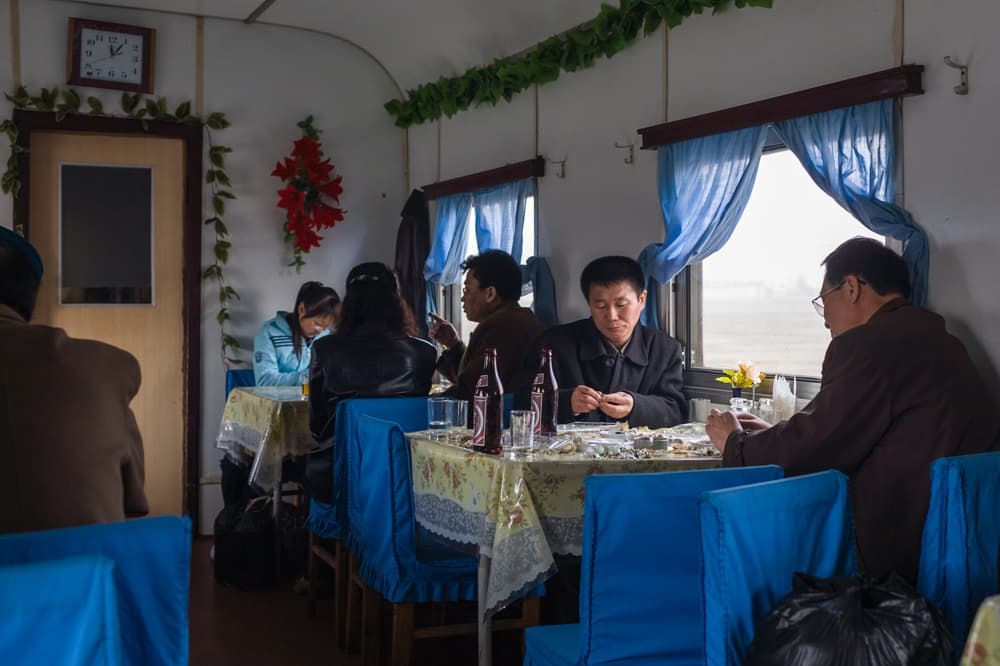
Pyongyang (AsiaNews) – In Nampo, a port city on North Korea’s west coast, a new bulgogi restaurant, a term North Koreans use for grilled beef cooked right at the table, has been inaugurated with pomp and circumstance.
This is one of more than a dozen large-scale restaurants that state media have announced as opening since September in various provincial capitals and other cities.
The establishment in Sinuiju, on the border with China, spans three floors, while others feature terraces overlooking rivers or the sea, offering dishes that range from ostrich to foie gras.
The first guests at these restaurants were selected by the authorities from among war veterans and "model workers”, who were treated to the meal as a form of honorary recognition.
In North Korea, meat carries political significance. Kim Il Sung, the regime’s founder and grandfather of current leader Kim Jong-un, once promised every citizen "white rice and meat soup”. That promise was never fulfilled, which may be precisely why it retains such potent symbolic power today.
Furthermore, opening bulgogi restaurants in provincial cities, which for decades had been excluded from the privileges enjoyed in Pyongyang, serves as a signal to their residents that the living standards of the capital are finally reaching them as well.
In North Korea, however, beef is extremely scarce. Cattle are viewed as farm equipment, performing the role that tractors fill elsewhere, and slaughtering one without authorisation is prohibited.
Lee Ae-ran, who fled the country in 1997 and now runs a North Korean restaurant in Seoul, spoke to the Japan Times just how difficult it was to get beef.
Pig farming also yields very little. The large-scale livestock complex in Sepho, launched in 2012 to address the issue, failed to deliver the promised results, a fact even Kim Jong-un himself has acknowledged. In total, domestic meat production amounts to less than 13 kilograms per person per year.
To stock new restaurants, the country has turned to imports with purchases from China more than quadrupling in a few years, while significant supplies are also coming from Russia.
According to a survey of North Korean defectors, as of 2019, three out of ten of the poorest North Koreans ate meat only once or twice a year, whereas among the wealthiest segments of society, four out of five consumed it at least once a week.
The masters of money
Among the privileged few who can go to these restaurants are the newly wealthy private entrepreneurs whom North Koreans call donju, literally masters of money.
Their history dates back to the 1990s, when the state food distribution system collapsed and the ensuing famine claimed hundreds of thousands of lives. To survive, many North Koreans learned to buy and sell goods on their own.
From the makeshift markets that emerged during that period, which the authorities have since tolerated with varying degrees of leniency, a new class has risen, operating businesses that are nominally registered to public entities, and spending their wealth on status symbols.
In recent years, this class has grown even wealthier, largely thanks to an influx of capital from abroad.
Russia has been making massive purchases of North Korean weapons and ammunition for its war in Ukraine, while trade with China has returned to the high levels seen about a decade ago. Added to these revenue streams are the proceeds from cybertheft.
South Korea’s central bank, which annually estimates the performance of an economy for which no reliable official statistics exist, believes that growth has exceeded 3 per cent for the third consecutive year.
Troy Stangarone, an expert on the North Korean economy, stated in an interview with the South Korean newspaper Hankyoreh that the country is currently experiencing its most prosperous period since Kim Jong-un came to power.
The State collects
A portion of this wealth, however, continues to circulate outside the regime’s control, given the loan agreements and other business dealings conducted between private individuals. Bulgogi restaurants are all state-owned.
Every dinner enjoyed in their luxurious dining halls offers patrons the pleasure of being seen, while simultaneously funnelling a share of the proceeds from private entrepreneurial ventures back into the public coffers.
Furthermore, these crowded tables project an image abroad of a "normal" country, one seemingly unaffected by sanctions.
The Donju (nouveaux riches) who wish to flaunt their affluence can now even purchase an automobile, a form of private ownership that was prohibited until just a few years ago.
Today, any family may own a car, provided it is purchased, and eventually resold, through authorised dealerships at state-mandated prices that bear little relation to actual market value.
A used Lexus SUV, for instance, costs US$ 250,000, double its original list price, while a Chinese economy car costs at least US$ 15,000; both sums remain well beyond the reach of anyone other than a donju.
Owning a car, however, does not grant the freedom to use it at will. Long-distance travel requires a permit from security authorities, and vehicles bearing provincial license plates are barred from entering Pyongyang.
The government that sets the prices for Lexus vehicles also sells lottery tickets. While gambling remains a criminal offence, punishable by up to five years of forced labour, government-organised gambling is legal and utilises modern systems.
Winnings are credited to an electronic wallet, making it possible to track funds that were previously exchanged directly between private individuals.
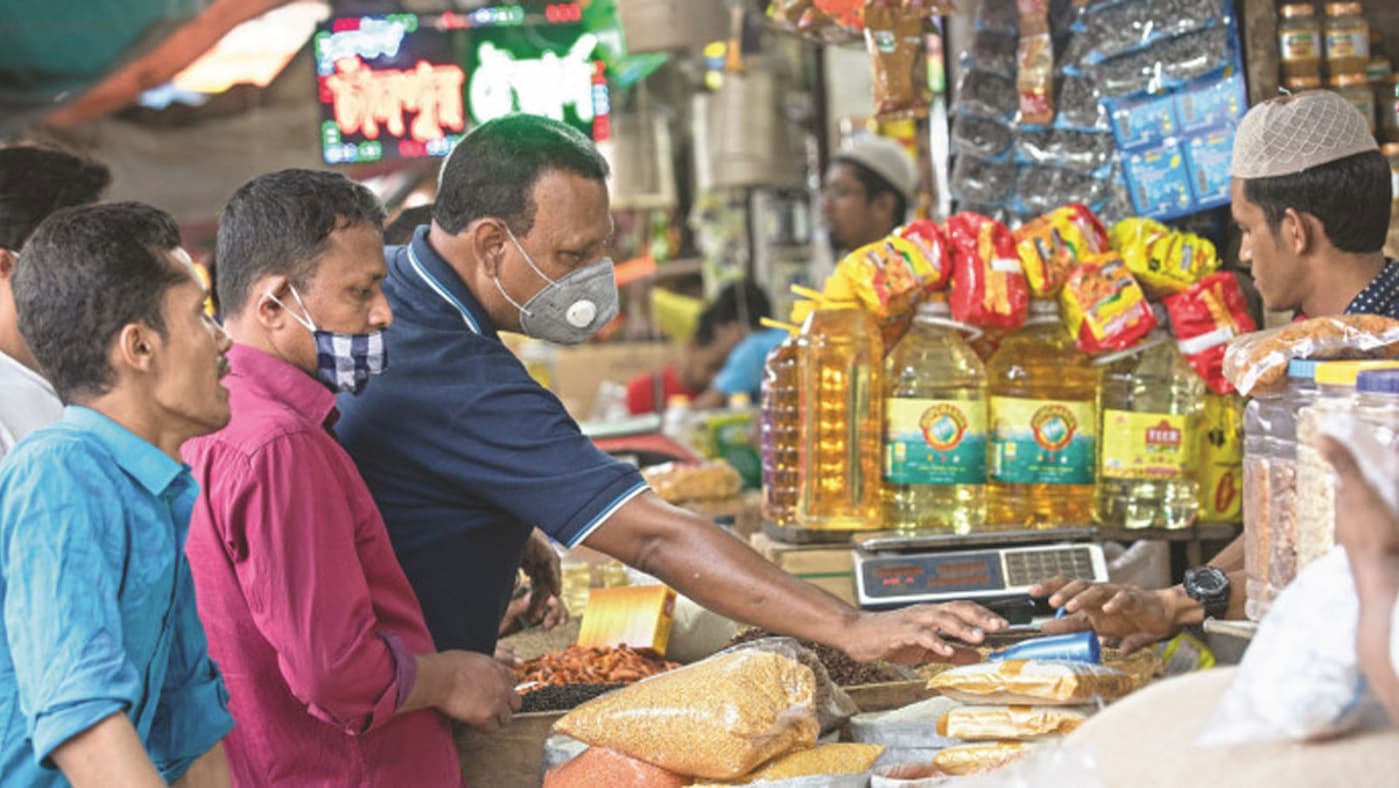
Controls in markets have also become more stringent. Every item must bear a label indicating its origin and price; failure to comply may result in confiscation.
In addition to these requirements, daily stall fees are so high that they have prompted some vendors to abandon the markets and conduct their business operations from home.
Wigs and false eyelashes
Among the goods that North Korea is still able to sell abroad are wigs and false eyelashes, items not covered by United Nations sanctions.
State-run trading firms make them on behalf of Chinese companies, and remit a portion of their foreign currency earnings to the regime each year, a quota they previously met, in part, through cross-border smuggling.
However, since Beijing began cracking down on such illegal trade, North Korean firms have been forced to compete for Chinese contracts by driving their prices ever lower.
According to the Daily NK, a news outlet that gathers information from inside the country, while these firms were once able to negotiate rates with their Chinese counterparts, they now accept payments as low as three yuan, roughly forty US cents, for an entire day of a worker’s labour.
The foreign currency generated by these exports, combined with proceeds from arms sales, supports a level of economic growth that Stangarone nonetheless characterises as fragile.
He suggests that Russia will likely continue to funnel funds to North Korea for two to three years following the end of the war, the time required for Moscow to replenish its own arsenals, but that this flow of capital will eventually cease.
Meanwhile, the emergence of new restaurants has made visible a social hierarchy that the regime has always officially denied, even while nurturing it behind the scenes.
It is clear that, in order to perpetuate itself and ensure its own survival, the regime is increasingly relying not only on the loyalty of the old guard, officials who enjoy special privileges, but also on that of a new entrepreneurial class, which has become a pillar of the national economy.