Mumbai (AsiaNews) – Catholics from Mumbai and the surrounding areas gathered on Sunday 4 October to celebrate Agera, the traditional harvest thanksgiving of the East Indian community, a group of the region’s ancient inhabitants who converted to Catholicism during Portuguese rule. This year, the day took on a deeper significance: gratitude for the harvest was intertwined with the concerns of farmers whose crops have been lost due to the drought.
Agera is traditionally a celebration of the first fruits of the harvest. Rice is blessed, carried in procession to the church and offered during the Eucharistic celebration as a sign of thanksgiving to God. But this year, the joy of the harvest is overshadowed by a severe agricultural crisis: the Maharashtra government has declared a state of drought in 265 of the state’s 358 talukas – approximately 74 per cent of the territory – after insufficient rainfall and prolonged periods of drought damaged crops during the kharif season of 2026.
The crisis is particularly severe in Marathwada and parts of Vidarbha and northern Maharashtra. Soya, cotton and other crops have suffered damage, whilst water and fodder shortages are increasing the pressure on farming families. In some drought-affected areas, people have already begun migrating in search of seasonal agricultural work, and sugarcane is being harvested early to feed livestock rather than waiting for the harvest and selling it to generate an income.
The MPSM’s appeal for work and its experience
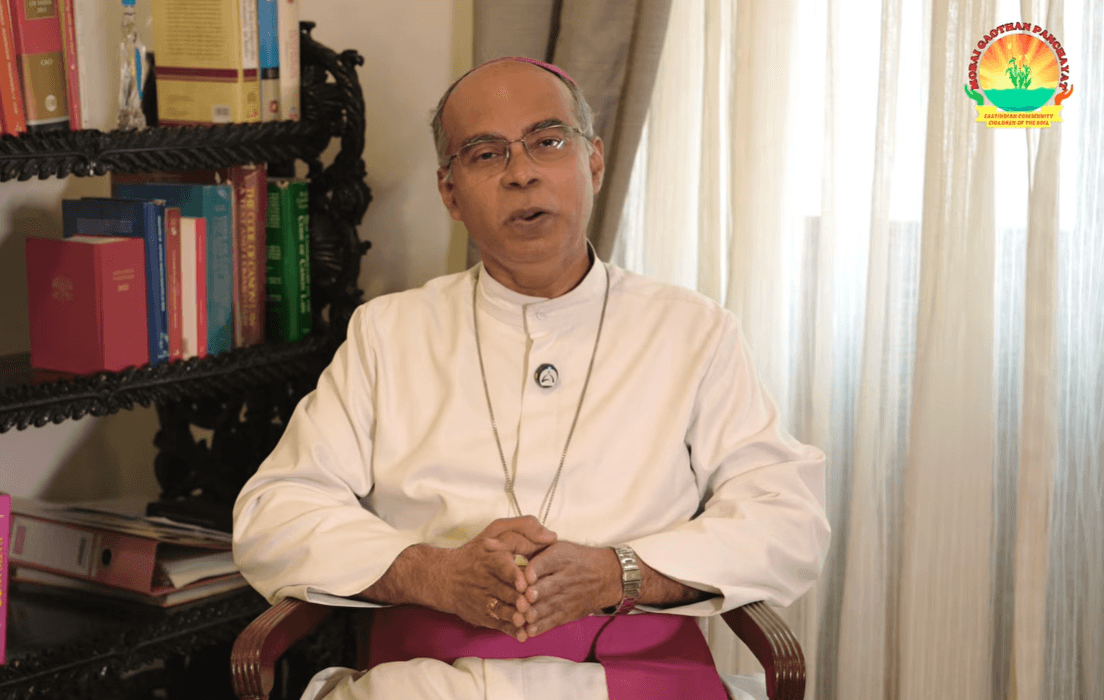
Against this backdrop, the Archbishop of Bombay, Monsignor John Rodrigues, in his message for Agera, did not limit himself to celebrating the harvest. “We give thanks to the Lord for the farmers’ efforts, for the hard work they have done,” he said, acknowledging the patience, sacrifice and perseverance of those who cultivate the land, especially at this difficult time. The prelate offered prayers for the farmers and appealed for them to receive support and assistance from various sectors of society.
Concern for farmers is nothing new for the Catholic Church in Maharashtra. One of the most significant examples is the Maharashtra Prabodhan Seva Mandal (MPSM), a Jesuit-run organisation based in Nashik: it was founded in the early 1960s during a previous crisis. Hundreds of smallholder farmers were abandoning their land in search of a livelihood in the cities.
The idea was simple: food in exchange for labour might feed a farmer for a day, but access to water could enable a farmer to remain on their land and produce food for years. And to this day, the mission of the Maharashtra Prabodhan Seva Mandal is to improve the quality of life of small and marginal rural farming communities and to promote self-sufficiency. It promotes agroecology, natural and organic farming, soil and water conservation, agroforestry, subsistence programmes and community-based management of natural resources. It works in particular with marginalised and tribal farming communities in Nashik and Palghar and runs extension programmes in several other districts of Maharashtra.
From drought relief to resilience
This story reminds us that even the current crisis is not merely about a lack of rainfall. It affects food security, livestock, migration, debt and the ability of rural families to remain on their land. For this reason, for the Church, the significance of giving thanks for the harvest goes beyond the blessing of the food brought to the altar. The festival serves as a reminder that the food on the table is linked to the labour, uncertainty and sacrifice of farmers, and that giving thanks cannot be separated from solidarity with those who have little to celebrate.
For the Church, Archbishop Rodrigues suggested, this contrast should not lead to a sense of guilt but to a sense of responsibility. Gratitude for what has been received should pave the way for concern for those who are struggling.
The drought has also raised fears for the coming agricultural season. Farmers in some parts of Maharashtra face uncertainty over the Rabi sowing season because prolonged drought conditions have reduced soil moisture and depleted water reserves. The wider crisis has prompted calls for greater assistance from the government. The state has begun assessing crop losses and has announced relief measures, whilst the central government is also expected to assess the situation.
Archbishop Rodrigues also linked the harvest celebration to the future of agriculture. He expressed the hope that technological progress would increasingly benefit farmers, rather than leaving rural communities behind. Invoking Saint Francis of Assisi, the prelate placed the celebration within a broader call for respect for and protection of the natural world.
The Agera thus becomes more than just a colourful cultural tradition. In a year of drought, it becomes a prayer for farmers, a recognition of their labour and a call for solidarity.