Six years after the start of the negotiation process, the University of Oxford has approved the return to the Naga community of the remains of 39 individuals held at the Pitt Rivers Museum by the end of the year.
The Pitt Rivers Museum, owned by the University of Oxford in England, houses more than 500,000 anthropological and archaeological artefacts from around the world. The Naga collection, one of the largest of its kind internationally, comprises around 7,000 objects, of which 898 are on display.
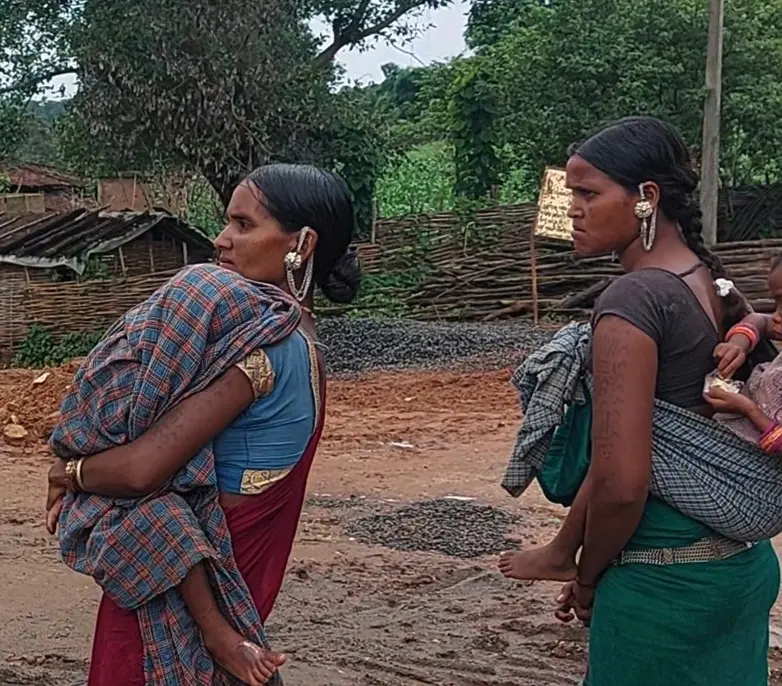
The Naga are an ethnic group with an estimated population of between 2.5 and 4 million people, spread across north-eastern India – primarily in the state of Nagaland – and north-western Myanmar, in the Sagaing region.
In the Indian state of Nagaland, there are 17 main tribal groups, each with their own traditions, languages and customs. Traditionally associated with a warrior culture and, in some communities, with headhunting (a practice involving the decapitation of enemies and the preservation of their heads as trophies), the Naga are now largely Christian.
Many of the artefacts currently held in the museum were acquired during the British colonial period in India and in what was then Burma. Most of the Naga remains now in the collection were brought to Oxford between 1910 and 1940 by John Henry Hutton and James Philip Mills, anthropologists and officers in the Indian Civil Service.
The museum itself acknowledges that several objects were confiscated during punitive military expeditions. The human remains were removed from public display in 2020 as part of a ‘process of decolonisation’ – an initiative undertaken in recent years by various European institutions to re-examine collections acquired during the colonial period and to involve the communities of origin more closely. In some cases, such as that of the Naga, the process may lead to the return of artefacts and human remains to their rightful owners.
In June 2025, a Naga delegation, comprising anthropologists and representatives from various communities in Nagaland, visited the museum and formally requested the return of the ancestral remains. Now that the repatriation has been approved, the community is preparing for healing rituals so that the souls of those to whom the remains belong may find rest in their place of origin. The return home will be a time of both celebration and mourning.
“We believe that their spirits have not yet found peace; we hope that by carrying out this gesture we can bring spiritual healing, not only to the ancestral remains here, but to all those who died during the headhunting period,” said Vihuto Asumi, president of Sumî Hoho, one of the Naga tribal organisations.
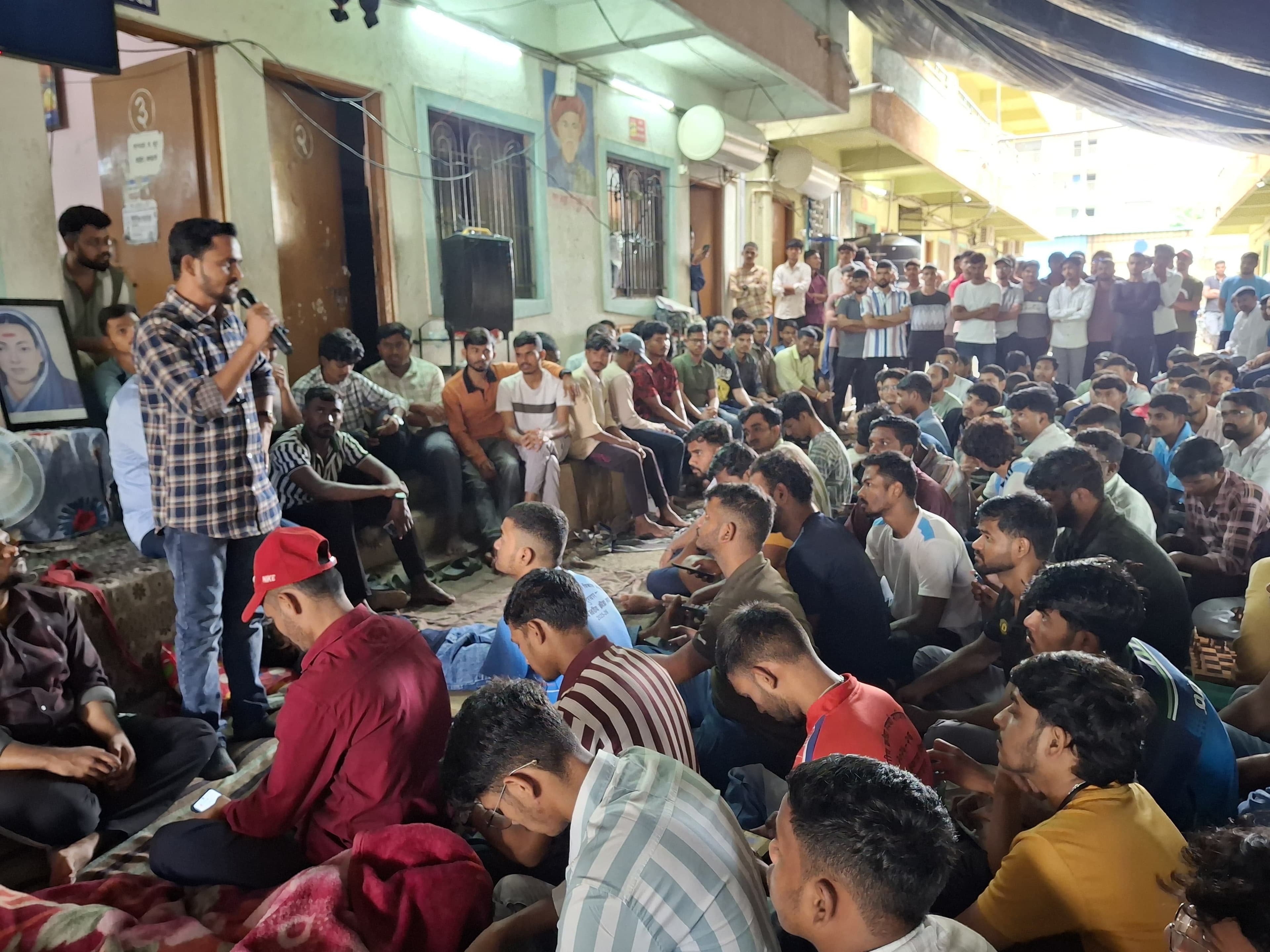
The negotiation process between community members and the museum, which began in 2020, was conducted using a community-based approach involving various organisations, including a special team called ‘Recover, Restore and Decolonise’, established in 2021, which brings together volunteers from across the region to work on the repatriation operation. Over the years, several meetings have been organised across the region to raise awareness of the issue and gather support.
The museum plans to hold a handover ceremony for the Naga delegation in Oxford, tentatively scheduled for November, prior to the transfer of the remains to Nagaland. According to the community’s plan, the remains will ultimately be buried in accordance with tradition in Kohima, the capital of Nagaland.