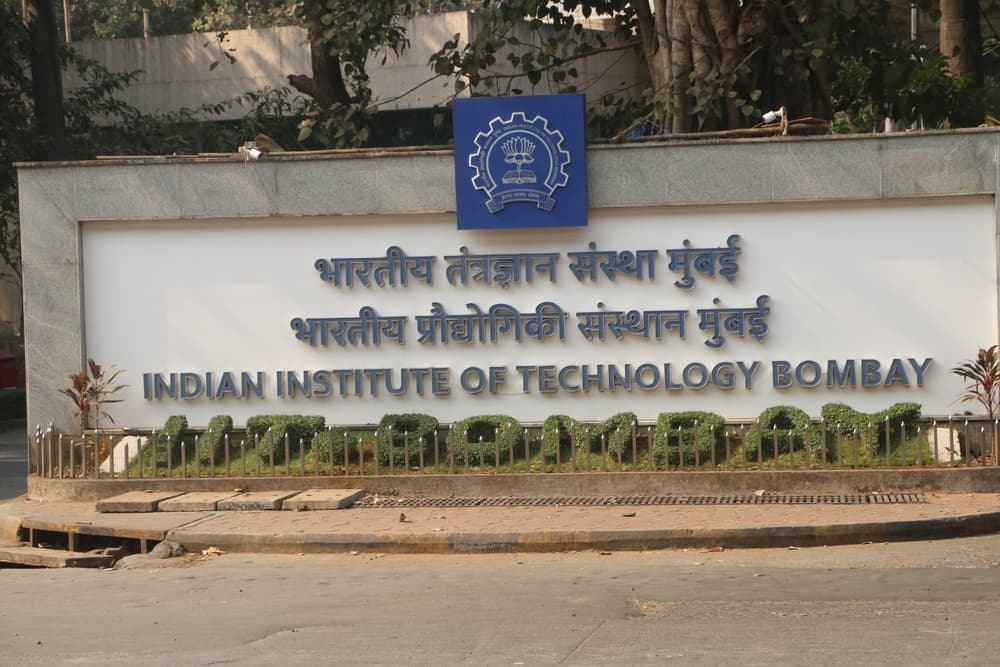
Mumbai (AsiaNews) – The director of the prestigious Indian Institute of Technology Bombay, Prof Shireesh B. Kedare, announced his resignation following three days of student protests over the death by suicide of 19-year-old Dalit student Sahil Ravindra Wakode, amid allegations of caste-based harassment and growing demands for institutional accountability.
Following the death by suicide of the Dalit student, protests broke out at the Indian Institute of Technology Bombay (IIT-B) with students demanding accountability, an independent investigation and greater protection for students facing academic and social pressures.
The resignation announcement came as the IIT-Bombay administration agreed to an 18-point charter of demands presented by protesting students.
Circumstances of the student’s death
Wakode, a second-year B. Tech student from Maharashtra's Yavatmal district, was found dead in his hostel room on 18 September, hours after he had been stopped during a midterm examination for allegedly using a mobile phone.
IIT Bombay said that no disciplinary proceedings had been initiated against him and that he had been counselled by the concerned faculty and head of department. His family, however, alleges that Wakode faced caste-based harassment and pressure.
Following a complaint by his father, Mumbai police registered a case that includes allegations of abetment of suicide and invoked provisions of the Scheduled Castes and Scheduled Tribes (Prevention of Atrocities) Act. The allegations remain subject to investigation.
Calls for protection for marginalised groups
The death triggered demonstrations on the IIT Bombay campus. Students have demanded action against the faculty member who was invigilating the examination, an independent inquiry into Wakode's death, and the resignation of IIT Bombay Director Shireesh Kedare.
The death itself does not establish that the director caused or was responsible for it. IIT Bombay says Wakode was caught using a phone and uploading the examination paper to ChatGPT, but that no disciplinary proceedings had been initiated and that he had been counselled and assured that the incident would not damage his academic career.
The resignation of IIT Bombay Director Shireesh Kedare marks a significant moment in the institution’s response to the death of Sahil Ravindra Wakode. It does not, in itself, establish personal responsibility for Wakode’s death, nor does it resolve the allegations of caste-based harassment that are now subject to investigation. But it has become part of a wider demand from students for transparency, accountability, and stronger safeguards for those from historically marginalised groups.
Social activists have drawn attention to the IIT Bombay protests on social media, placing the incident within the broader question of how India's premier educational institutions respond when students from historically marginalised communities experience distress or allege discrimination. Such interventions reflect a debate that has extended well beyond the IIT Bombay campus.
Not an isolated case
The controversy comes amid continuing concern over student suicides at India's top technical institutions. In August, protests broke out at IIT Delhi following the death of an MSc student. Students there raised questions about institutional support, mental-health services, and accountability.
For IIT Bombay, the immediate challenge is to establish the facts surrounding Wakode's death while addressing the concerns raised by his family and fellow students. The institute maintains that no disciplinary action had been taken against him before his death, while his family and protesting students have presented a different account of the circumstances surrounding the exam.
The police investigation and any independent inquiry will be important in determining what happened and whether allegations of caste-based harassment or other forms of institutional pressure can be substantiated.