Delhi (AsiaNews) – Almost fourteen years after the Nirbhaya case – the murder of a 23-year-old student who was brutally assaulted and beaten by six men on a bus, a case that shocked the Indian public and led to major legislative reforms – two new incidents of violence against teenage girls in recent weeks have raised a painful question once again in Delhi: what has really changed in terms of the safety of women and girls?
The most recent case concerns a 16-year-old girl found dead on 13 September on a piece of wasteland near Kushak Road, in the Swaroop Nagar area. The police suspect she was the victim of a gang rape and murder. Four people, including three minors, have been arrested. Investigators are reported to have used footage from over 50 CCTV cameras to identify a suspicious vehicle and track down the suspects.
A few days earlier, a 16-year-old girl from Uttar Pradesh, left alone during a night of heavy rain at Pari Chowk, is said to have boarded a bus bound for Noida, convinced she was travelling safely to her destination. According to the police, during the journey to Delhi, the driver and the conductor allegedly sexually assaulted her before abandoning her near Kashmere Gate. Both have been arrested.
The investigation has also highlighted serious problems within the transport system. The bus’s security cameras were not working and the vehicle had accumulated several complaints regarding breaches, including irregularities relating to licences and safety requirements. Despite this, it had continued to operate in the Delhi area.
The two incidents are different, but they highlight a common vulnerability: girls and teenagers do not always find protection in places where they should feel safe.
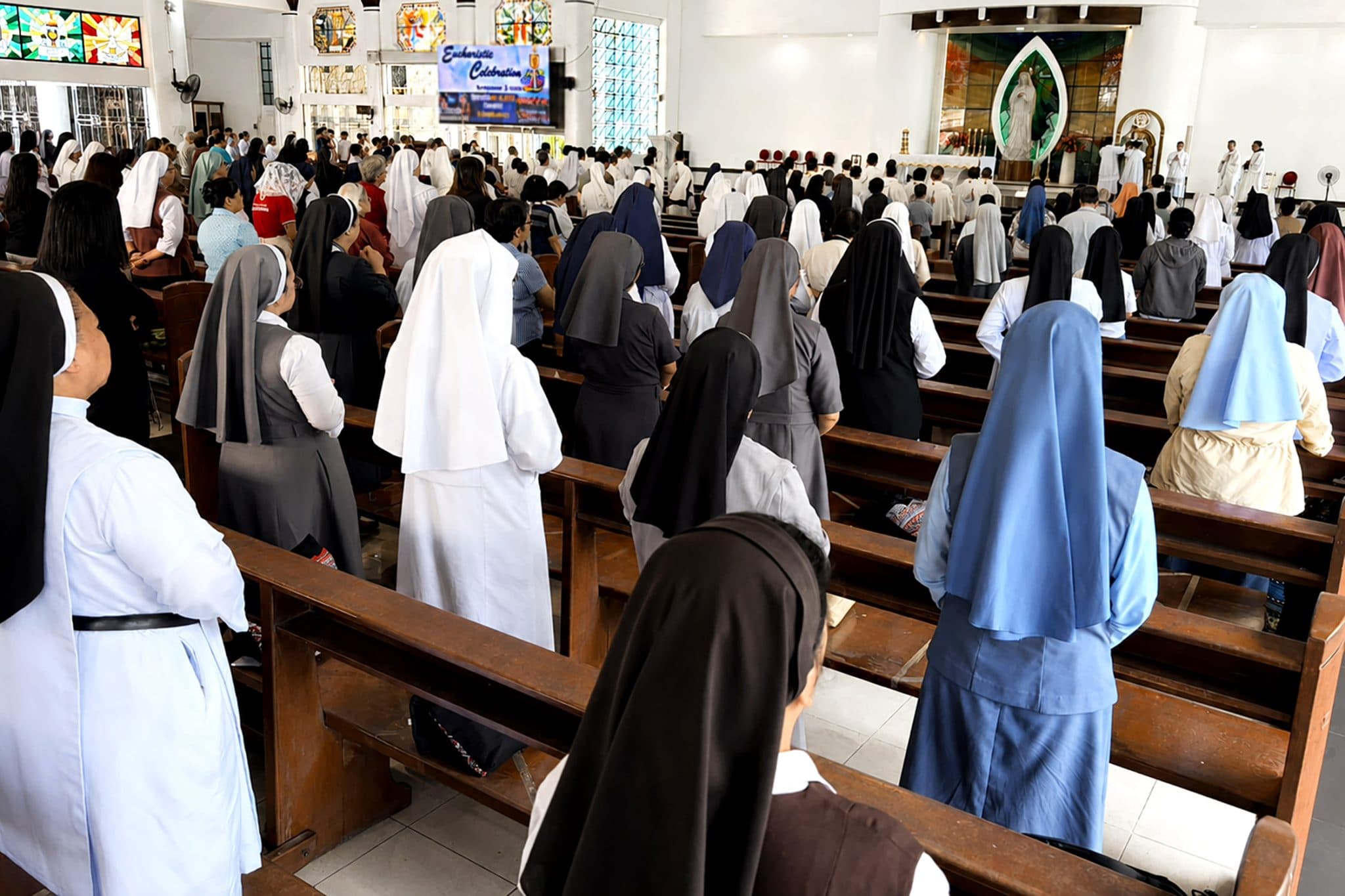
Sr Lovenia Almeida, a nun of the Daughters of the Cross and headmistress of St Joseph’s Convent International School in Bandra West, emphasises to AsiaNews above all the betrayal of trust in the bus case: “A frightened and vulnerable teenager boarded a bus believing she was seeking help and safety. Instead, those entrusted with her journey, according to the allegations, became her predators”. According to Sr Almeida, it is not enough to react with outrage after every tragedy: “These incidents demand accountability, safer public transport, vigilant systems and a society that refuses to normalise violence against women and children”.
The Nirbhaya tragedy in 2012 led to mass protests and significant legislative changes. The Criminal Law (Amendment) Act of 2013 strengthened provisions against sexual violence and introduced harsher penalties for certain offences. Measures were also announced to improve women’s safety on public transport.
However, recent cases show that laws alone do not guarantee day-to-day safety. Technology can assist investigations, as demonstrated by the use of CCTV cameras in the Swaroop Nagar case, but only if the systems are functioning and properly monitored. The question, therefore, is not merely whether India has learnt from the Nirbhaya tragedy, but whether the lessons learnt in Parliament, in the courts and in official documents have truly reached bus stops, schools, the streets and people’s everyday journeys. Until that happens, every new tragedy will continue to serve as a reminder of how far the promise to protect women and children still falls short.