Kathmandu (AsiaNews/Agencies) - A devastating flow of mud and water has caused numerous victims and missing persons in Tibet and along the border between China and Nepal. Surveillance camera images show buildings at the border crossing in Gyirong County completely submerged by the wave.
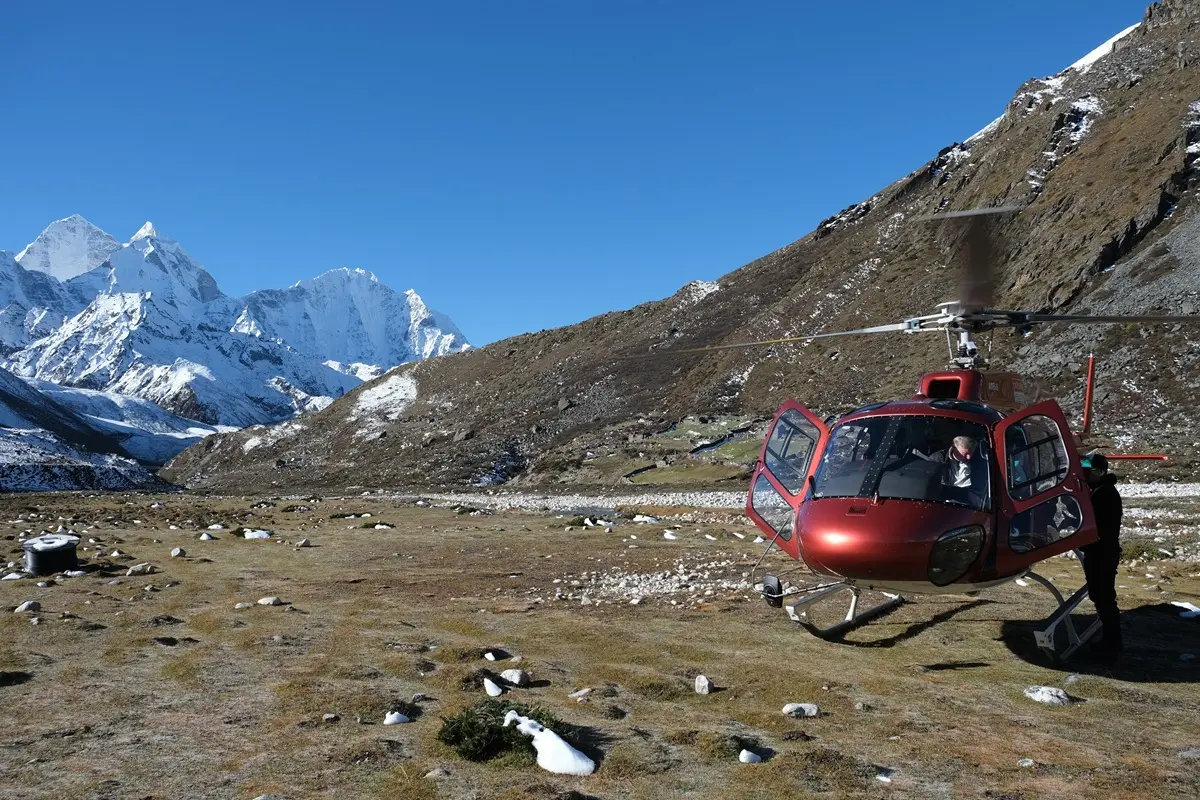
The provisional death toll reports 95 confirmed dead, but there are hundreds of people, including foreign tourists from 26 different Countries (among which Indian, Italian, British, American, South Koreans and Malaysian citizens), who are missing along the border between Nepal and Tibet. Rescue operations are complicated by the condition of the terrain and the speed with which the water and mud overwhelmed the border areas.
Chinese state media also report "severe loss of human life" in Tibet, a region administered by China. However, available information from the Tibetan side remains limited. Images broadcast by Chinese state television CCTV show a gigantic mass of water and mud crashing down on the buildings of a border crossing. Other images from Nepal document moments of great panic, with people desperately trying to get away as the flood wave advances.
The event struck a mountainous area that is particularly vulnerable to intense rainfall and landslides. Authorities are still trying to establish the chain of events, but a possible cause is an earthquake of magnitude 4.4 that struck about 77 km northwest of Kodari, in Nepal, in the early hours of this morning. It is suspected that this triggered an avalanche of ice and rock on the Lhende Khola River in Nepal, causing the floods.
In Nepal, the districts of Rasuwa and Nuwakot, crossed by the Bhote Koshi River, are among the hardest hit. Bridges, roads, hydroelectric plants and other infrastructure essential for trade with China have been destroyed.
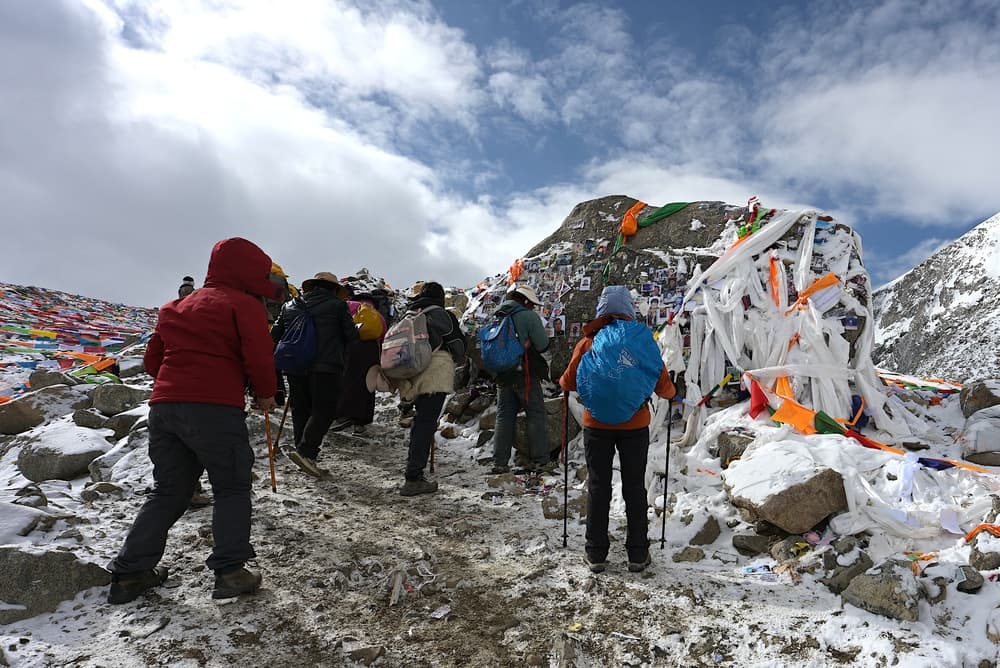
The tragedy has struck an area frequented by thousands of tourists and Nepali pilgrims headed towards Kailash Mansarovar, a high-altitude pilgrimage area at 4,600 meters between Mount Kailash and Lake Manasarovar, venerated by Hindus, Buddhists, Jains and the Bon tradition in the Tibet Autonomous Region. Authorities are conducting a race against time to locate the missing as night falls.
The catastrophe represents the worst natural disaster in Nepal since the 2015 earthquake, which caused nearly 9,000 victims. Just last year, a flash flood in the same area caused 18 deaths and extensive damage.
The scale of the tragedy in Tibet is difficult to assess due to the tight control exercised by the Chinese authorities over the media, which is particularly intense in the region. However, the direct intervention of President Xi Jinping, who ordered rescue teams to do everything possible to find the missing, indicates the severity of the situation.
The Gyirong crossing is one of the main transit points between China and Nepal, used every year by thousands of tourists and essential for trade between the two countries. About 4,000 people live in the area and several Chinese construction projects are active there. The authorities have mobilized hundreds of rescuers, supported by drones, laser scanners, life detectors and other specialized equipment. However, roads, communications and the power grid are still severely damaged, complicating operations.