Islamabad (AsiaNews) – “I want my son back. It wasn’t God’s will, but the negligence of a corrupt system.”
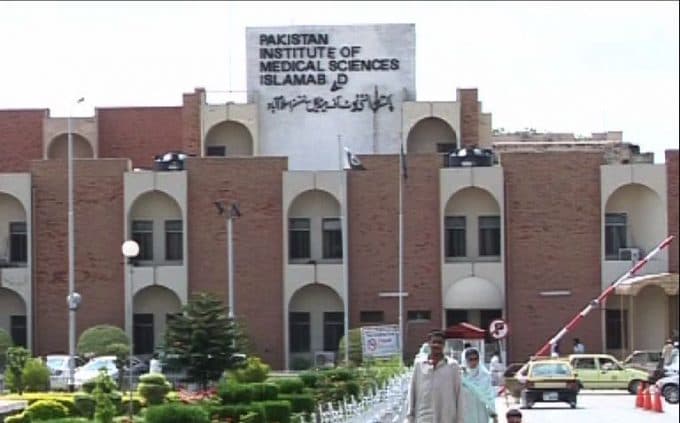
These are the words of a heartbroken mother, whose 10-day-old baby was among the newborns who died in the fire that broke out at the Pakistan Institute of Medical Sciences (PIMS) in Islamabad. They express the anguish of the families who are struggling to understand how their children could have died in a place where they had gone seeking medical care and protection.
At least 14 newborns died following a fire that broke out at the PIMS Maternal and Child Health Centre, one of Pakistan’s leading public hospitals. The fire broke out in the early hours of Wednesday 26 August in the area where the most vulnerable newborns were being cared for.
Rescue workers initially claimed that an air-conditioning compressor had exploded. Other accounts have raised doubts about the oxygen equipment and the circumstances in which the fire spread. The authorities have launched an investigation to determine the exact cause and to check whether safety procedures were followed correctly.
For the families, however, the tragedy is not merely about how the fire started. It is about the fact that their babies might still be alive. The mother of the 10-day-old baby stated that, following the birth, doctors had informed her of complications and advised her to prepare for surgery. She accuses the hospital authorities of negligence and is demanding justice.
“This is a matter that concerns them,” she said, expressing her frustration at what she described as a system in which vulnerable families are left without answers. She added that she would remain in hospital until justice was done. Her allegations must now be examined as part of an independent and transparent investigation. But her pain reflects a much wider concern: when patients enter a public hospital, especially mothers and newborns, they should be able to rely on basic safety standards being met.
Bishop Shukardin’s condolences
Bishop Samson Shukardin, president of the Catholic Bishops’ Conference of Pakistan, expressed deep sorrow at the deaths and offered his condolences to the grieving parents and families. He stated that the nation had been shocked and deeply saddened by the devastating incident and called for those responsible for criminal negligence to be brought to justice. He also urged the authorities to ensure that such incidents do not recur. The bishop’s statement echoes an important principle: mourning must be accompanied by accountability.
The National Commission for the Rights of the Child (NCRC) expressed deep condolences for the victims and called for a thorough, transparent and prompt investigation. The Commission stated that investigators must ascertain whether adequate fire safety systems had been installed and were functioning, whether qualified staff were available, whether evacuation procedures were adequate and had been followed, and whether appropriate measures were in place to protect children.
These issues extend beyond this single hospital.
Questions about Pakistan’s healthcare system
Pakistan’s healthcare system serves millions of people, many of whom rely on public hospitals because they cannot afford private medical care. When safety systems fail in maternity and neonatal wards, the consequences can be irreversible. The tragedy also raises questions about patients’ right to life and dignity. Newborns are unable to protect themselves: they depend entirely on healthcare workers, hospital managers and government authorities to ensure a safe environment.
An investigation should therefore not be limited to simply assigning blame to individuals. It should examine the entire system: equipment maintenance, fire alarms, emergency exits, evacuation plans, staff training, oxygenation systems, electrical and air-conditioning infrastructure, as well as the ability of hospital staff to respond to emergencies.