Karachi (AsiaNews) – The Sindh police detained around 400 (some sources put the figure at up to 500) female healthcare workers (LHWs), after preventing them from holding a peaceful sit-in planned in recent days near Bilawal House in Karachi, the official residence of the Bhutto family.
This is according to representatives of the Sindh Association of Home Health Workers and Employees (ASLHWEU), who claim the workers were subsequently taken into custody and held at various police stations.
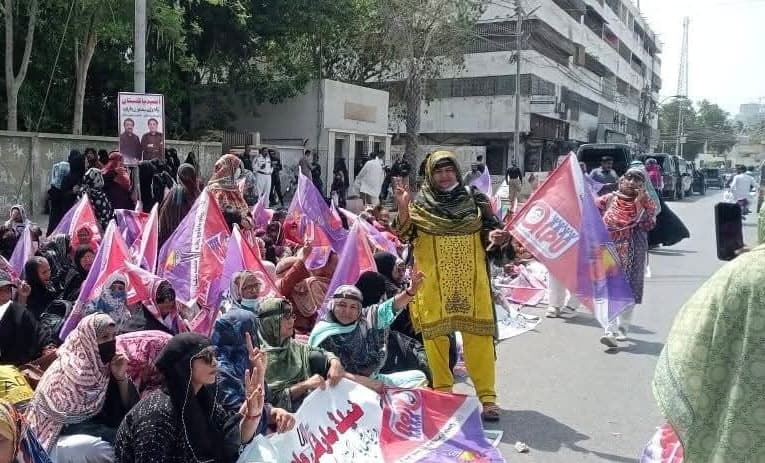
In response, the union decided to move the protest to Teen Talwar Chowrangi, where the demonstrators loudly reiterated their demands: in particular, workplace safety, adequate service provision and an end to the proposed privatisation of the Home Helpers Programme.
The demonstration, organised by ASLHWEU and affiliated to Public Services International (PSI), brought together health workers, supervisors, trade union representatives, labour rights defenders, human rights activists and members of civil society.
The union stated that the Lhw Programme must remain under the jurisdiction of the Sindh Government’s Department of Health and must not be outsourced to the People’s Primary Healthcare Initiative (Pphi) or any other private body.
The demonstration in Teen Talwar continued for several hours, causing significant disruption to traffic.
The authorities deployed a large number of law enforcement officers, whilst the demonstrators chanted slogans and called on the government to address their long-standing demands.
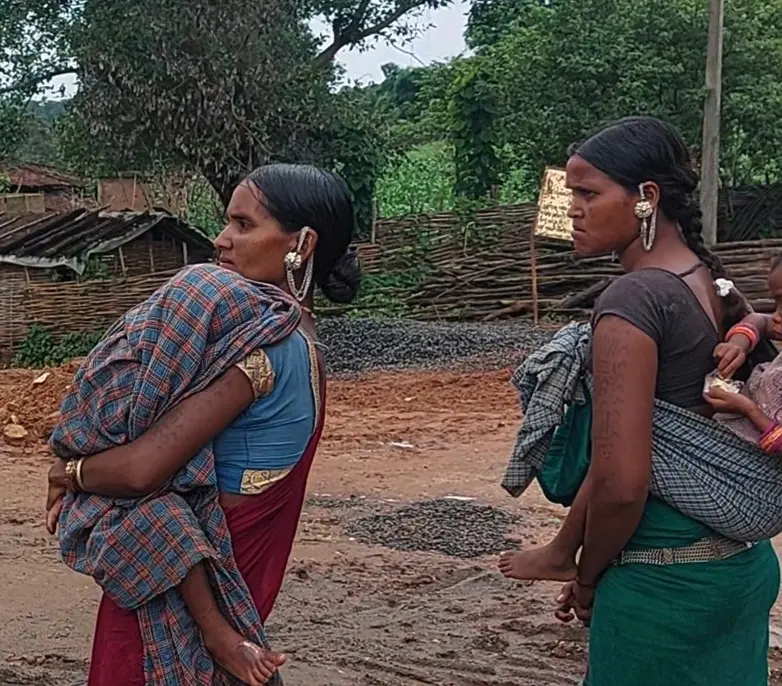
The workers pointed out that around 17,000 Lady Health Workers serve communities across Sindh, providing essential primary healthcare, including maternal and child health services, support for vaccinations, health education and community awareness-raising.
Haleema Zulqarnain Laghari, president of ASLHWEU, explained to AsiaNews that the workers have been fighting for years to secure an adequate organisational structure and opportunities for career progression.
“Our main demand,” she said, “is to remain under the umbrella of the Department of Health and to continue working in accordance with the guidelines of the LHW programme.” The activist has also called for regular promotions, pensions and severance pay for retired workers.
According to the union, many healthcare workers were granted permanent status in 2012 but have remained in lower grades despite their years of service.
The workers are calling for a review of the pay scales for Lhw staff, drivers and supervisors, as well as the introduction of a transparent service structure with regular promotions.
Shama Gulani, the union’s general secretary, questioned why lower-grade staff are excluded from the pay scale revisions granted to other public sector employees working under the same programme.
The protesters also called for the restoration of the medicines budget, which had been transferred to the PHHI, and adequate funding for the maintenance and fuel costs of supervisors’ vehicles.
They stated that funds at district level should be made available through district health officers to ensure an uninterrupted supply of medicines and essential operational resources.
The union’s senior vice-president, Nasira Parveen, described the sit-in in Karachi as part of a wider peaceful campaign that began with a rally at the Hyderabad Press Club on 3 July; this was followed by numerous other protests at Primary Health Care Units, Rural Health Centres and district offices.
The union has appealed to the President of the Pakistan People’s Party (PPP), Bilawal Bhutto Zardari, the Chief Minister of Sindh and the Minister of Health to intervene.
“This is the programme and legacy of the martyr Mohtarma Benazir Bhutto,” said Laghari, urging the PPP leadership to protect the programme and recognise the rights of its frontline workers.
The Independent Confederation of Public Service Workers (PSLINK) and Maka-BHWs Pilipinas–PUBLIK have also expressed solidarity with workers in Sindh, rejecting the privatisation and outsourcing of public healthcare.
“Healthcare is a right, not a business. Care is a job, and healthcare workers deserve decent work,” reads the statement of solidarity, which emphasises the importance of secure employment, fair wages, adequate resources and full workers’ rights.
Commenting on the arrests, human rights activist Kashif Anthony stated that the detention of hundreds of women exercising their right to peaceful assembly should be viewed with great concern.
“Healthcare workers,” he continued, “are on the front line in providing essential healthcare to some of the most vulnerable communities. Their demands for workplace safety, fair treatment and a transparent service structure deserve dialogue, not detention.”
Anthony then urged the Sindh government to resolve the dispute through constructive negotiations and to ensure that peaceful protesters are treated with dignity.
Following negotiations with government representatives, the union leadership announced that the protest would be suspended after receiving assurances that most of its demands would be taken into consideration.
The incident, however, has reignited doubts about the future of primary healthcare provided by the public sector in Sindh.
For the women workers, the dispute is not only about working conditions but also about safeguarding a public healthcare system that relies heavily on their presence in the communities.