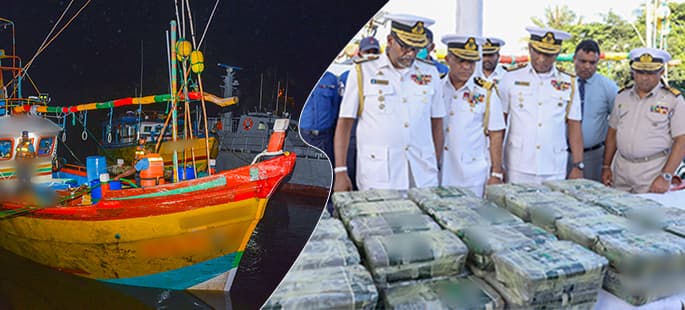
Colombo (AsiaNews) - The Catholic Church in Sri Lanka is taking a hands-on approach in the fight against drugs, a scourge on the country: in recent days, the Archbishop of Colombo, Cardinal Malcolm Ranjith, has launched a heartfelt appeal urging the fishing community to stop the illegal importation of drugs onto the island, after they have been smuggled aboard their boats.
The cardinal addressed the faithful and the nation’s citizens, urging them to support efforts to combat the growing threat posed by drugs and to refrain from allowing fishing boats to be used for drug trafficking. “I humbly ask,” said Cardinal Ranjith, “the fishing community not to facilitate the transport of drugs into the country via their vessels.”
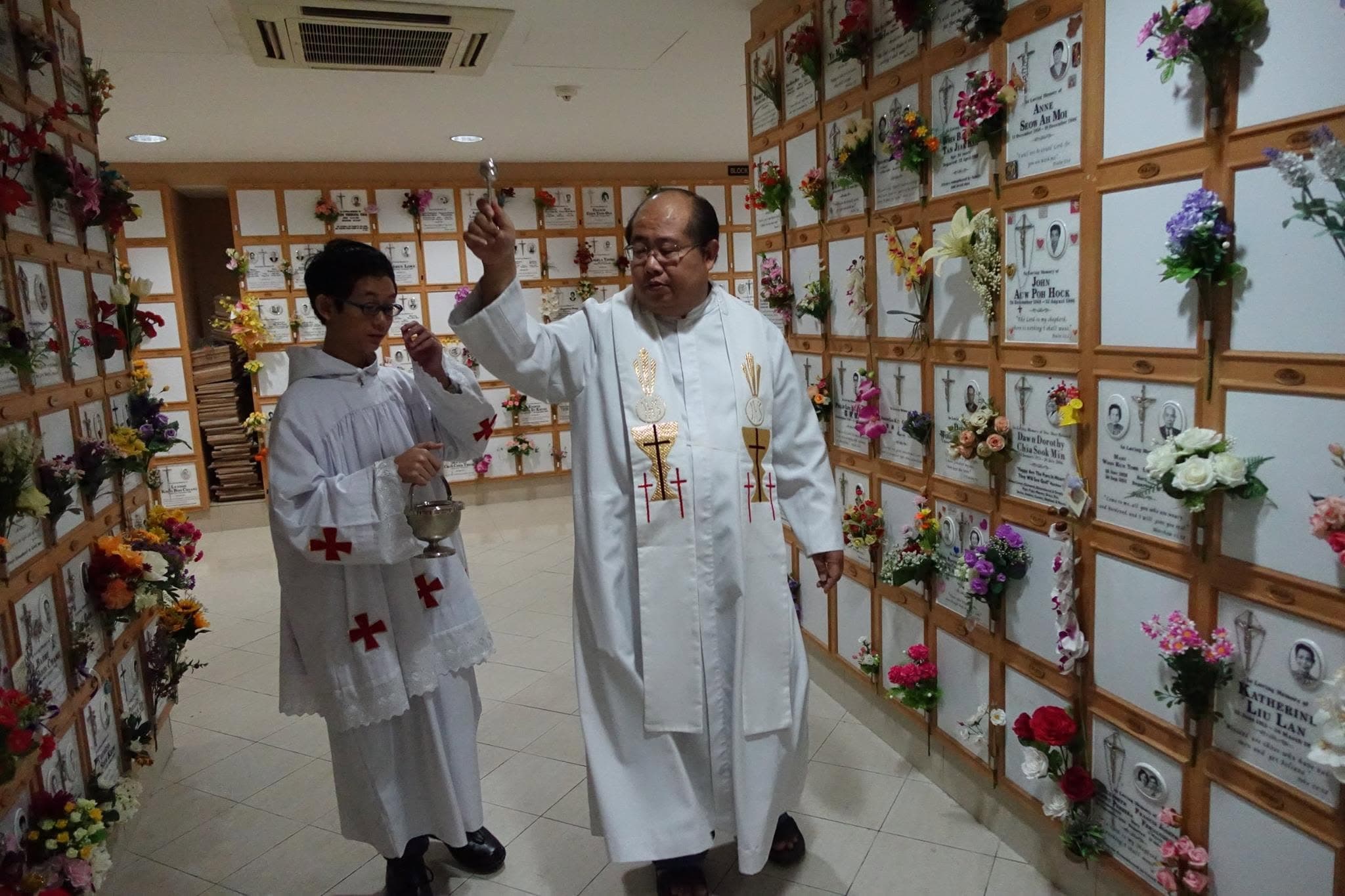
The cardinal spoke out against drugs and those who facilitate trafficking in various ways during his homily at Sunday Mass on 6 September, during the service celebrated at St Lazarus’ Church in Bandarawatta, Beruwala, in the Archdiocese of Colombo.
The cardinal then expressed his deep regret that a significant quantity of drugs entering the country continues to be smuggled by sea using ordinary citizens’ boats. Cardinal Malcolm Ranjith described it as “deplorable” that a significant quantity of drugs brought onto the island is transported by sea using ordinary boats.
Continuing his address, the cardinal warned that drug addiction is having a “devastating” impact on the country’s young people, destroying their lives and causing serious hardship for their families. “When we were young, these drugs did not exist in Sri Lanka.
From time to time we would see a man smoking a cigarette at home, but we had never witnessed anything like this before. Above all,” he emphasised, “following the introduction of the free-market economic system in Sri Lanka, the idea that corruption and unscrupulous people must be eliminated and that one must do whatever it takes to make money has gained ever-greater ground.”
“It is sad,” warned Cardinal Ranjith, “that even many young people of our generation have become embroiled in all this in our country today. This world of organised crime, in particular, has become a very serious phenomenon that has gradually turned into a social disaster. As a result, the moral life of humanity has been jeopardised.
One of the consequences is that, as experts in the field explain, people – starting with the youngest children – have become addicted to these drugs. Some wealthy individuals, some powerful figures and underworld leaders have introduced these substances as a commercial venture to make money. “Because of people like these, who do not think of their own children, society as a whole has now suffered a great disaster.
Many have been left orphaned. Many parents turn to priests, religious and monks, begging them,” the cardinal recalled, “to help them save their children’s lives.”
Among those who use these substances are, above all, the younger generations and children. When they go astray, how much pain do they cause their parents and their families, he continues in his reflection.
“This society,” emphasised Cardinal Ranjith, “has deteriorated severely. This kind of greed means committing any reprehensible act just to make money. Since we are accustomed to thinking that making money is a good thing, we have no need for religion; religion is merely an ornament.”
“This is therefore a very dangerous situation, and I would like to make a plea to these fishing communities at this time. Please stop bringing those poisons and harmful substances ashore from your boats. It is a grave mistake,” the cardinal concluded, “that you are committing against this society… do not do it!”
Both Maggona and Beruwala fall within the jurisdiction of the Beruwala District Secretariat (DS), and experts point out that the Beruwala fishing harbour is one of the busiest centres on the west coast. It is home to over 500 deep-sea trawlers registered for multi-day fishing trips and hundreds of smaller coastal vessels that provide direct and indirect livelihoods for thousands of local families, and it is one of the entry points for drugs.