Singapore (AsiaNews) – Singapore has played down the impact of the reduction in natural gas supplies from Indonesia, stating that the shortfall accounts for less than 2 per cent of its daily requirements.
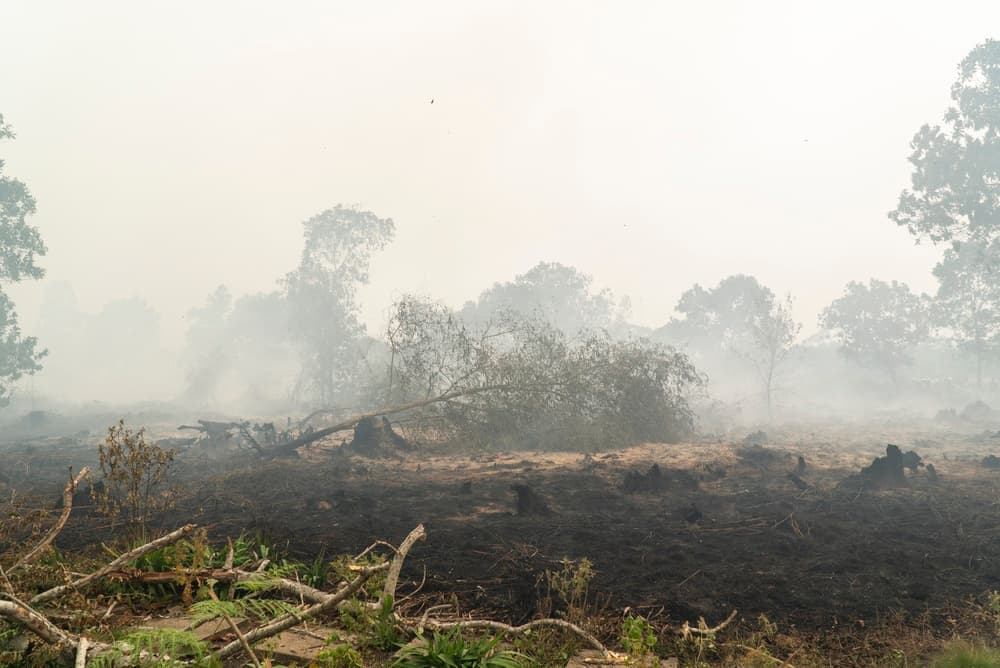
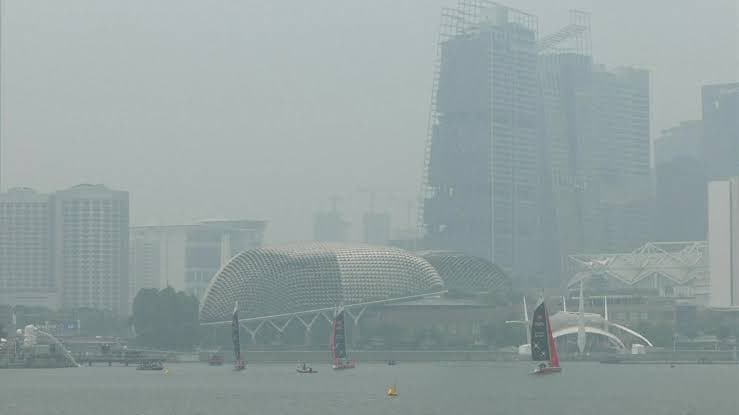
Meanwhile, rumours are growing that this move could be linked to bilateral tensions over cross-border haze and smoke caused by the fires that have recently affected the country and tested the resilience of ASEAN.
The Indonesian regulatory authority for the upstream oil and gas sector, SKK Migas, has announced that it will reduce gas exports to Singapore by 31 billion British thermal units per day (BBTUD), with effect from 24 October. In response, the Energy Market Authority (EMA) stated that alternative supplies of liquefied natural gas (LNG) and emergency measures would help ensure electricity generation and grid stability, despite the disruption to pipeline supplies.
However, according to The Straits Times, Singapore’s licensed gas importers have reported a smaller reduction of 17 BBTUD over an 18-day period. This shortfall represents only a small fraction of the city-state’s daily gas consumption, which exceeds 1,000 BBTUD.
“The EMA is aware that our importers will make use of all the remedies provided for in their contracts in relation to the interruption of gas supplies,” said a spokesperson for the authority. Furthermore, Singapore regularly manages fluctuations of between 20 and 100 BBTUD during scheduled maintenance work, without this leading to any disruption to the electricity supply. Singapore generates around 95 per cent of its electricity from natural gas, relying on pipeline supplies from Indonesia and Malaysia, as well as LNG imports from international markets.
Singapore GasCo, the country’s central gas supply agency, could organise additional LNG shipments at short notice, according to the EMA. Electricity generation companies are also required to maintain adequate fuel reserves, including diesel, to safeguard the electricity supply.
Political implications
The reduction in supplies follows statements made on 22 October by the Indonesian Minister for Energy and Mineral Resources, Bahlil Lahadalia, suggesting that Jakarta might restrict energy shipments to countries that do not demonstrate mutual respect.
Indonesian media reported that the planned reduction included 15 BBTUD from the Natuna offshore corridor and 16 BBTUD from the Jambi Merang field in Sumatra.
The move has raised questions as to whether the decision reflects a broader strategy by Jakarta to prioritise domestic energy security or is linked to bilateral tensions, including disagreements over the enforcement of regulations relating to cross-border haze. David Broadstock, an independent economist specialising in energy, described the development as a surprising disruption to Singapore’s gas supply chain, noting that the timing coincides with ongoing bilateral friction.
“There is a question mark,” he explains, “over whether there is a political element to this action, which could make it a reaction to the haze issue.” “I wouldn’t say with certainty that it is a determining factor, but certainly,” he continues, “it cannot be ruled out.” He adds, however, that there has been no definitive confirmation to date that the reduction in gas supplies was imposed in response to the haze dispute.
Disruptions and consequences
Gas Supply, owned by Temasek, has stated that supplies to some industrial customers have been temporarily reduced following restrictions imposed by its Indonesian upstream supplier. The company went on to say that it is in contact with the supplier to manage the shortage and minimise disruptions for customers. Gas from the Jambi Merang field is supplied directly to Gas Supply, whilst gas from the offshore Natuna field is delivered to Sembcorp Gas’s receiving terminals under long-term sales agreements due to run until 2028.
Energy sector economists have stated that Singapore could turn to spot-market LNG to make up for any shortfalls, although additional purchases could increase supply costs. Given the limited scale of the shortfall, the impact on electricity tariffs is expected to be minimal. Subodh Mhaisalkar, chief executive of the Solar Energy Research Institute in Singapore, described LNG as an important buffer against supply disruptions; furthermore, the shortfall accounts for only a small fraction of the country’s daily electricity generation requirements.
Analysts have stated that the incident could nevertheless strengthen Singapore’s case for diversifying its energy sources through regional electricity interconnections and greater investment in renewable energy. Although LNG already accounts for around 60 per cent of Singapore’s gas mix, the city-state remains heavily reliant on natural gas for electricity generation. The latest disruption highlights the risks associated with reliance on cross-border supplies via gas pipelines and could make efforts to develop a more diversified and resilient energy system even more urgent. Singapore’s response suggests that the immediate threat to electricity supply is limited. However, the circumstances underlying Indonesia’s decision could have wider implications for bilateral relations and regional energy cooperation.