Phnom Penh (AsiaNews) – Southeast Asia has become a world leader in Electric Vehicles (EVs), leapfrogging developed countries weighed down by legacy technologies.
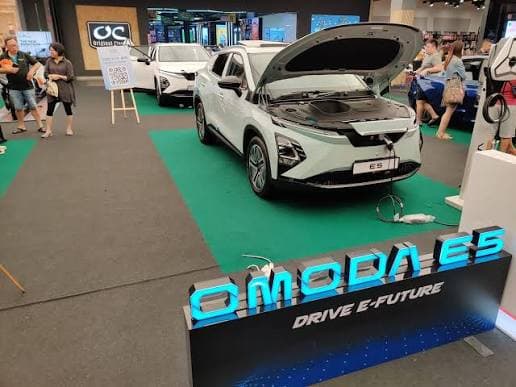
Four leading ASEAN nations – Singapore, Thailand, Vietnam and Indonesia – last year overtook the US and major European nations in terms of EVs as a share of new vehicle sales, according to a June report by global think-tank Ember Energy.
In Singapore and Vietnam, EVs now make up 40 per cent of all new sales. Five years ago, the figure for Vietnam was less than 0.05 per cent.
The EV share of new vehicle sales in the US is less than six per cent.
As well as economics, Asia's remarkable achievement is driven by a strong global climate change commitment to net-zero greenhouse gas emissions by 2050 along with eight of ASEAN's 11 members – and slashing its heavy reliance on crude oil imports.
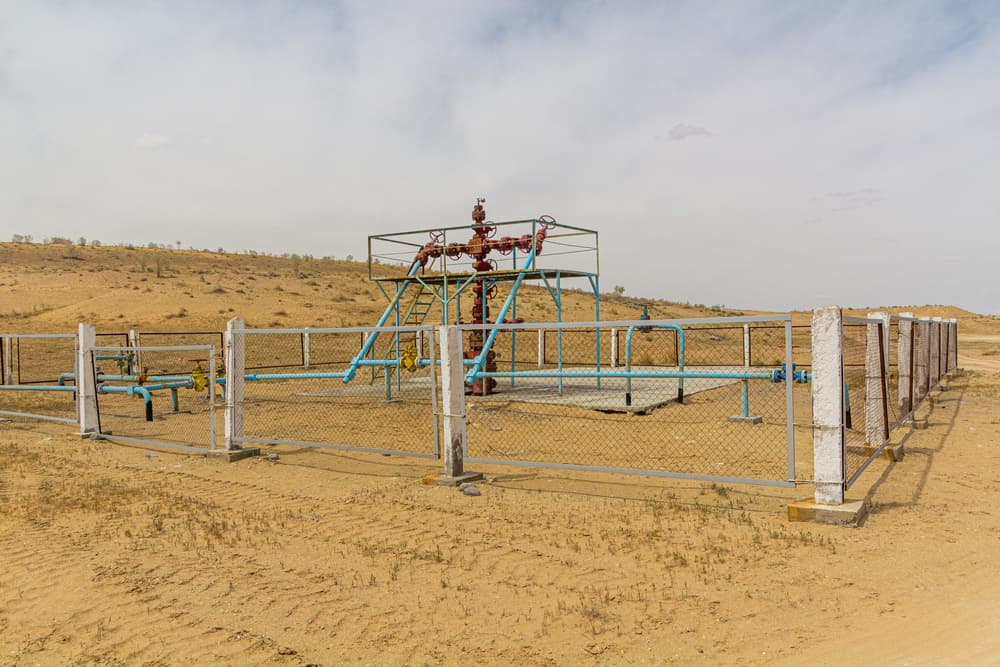
Amid the Middle East war, 55 per cent of Asia's oil supplies pass through the Middle East. That could be cut off any day by the White House.
The Strait of Hormuz crisis has disrupted 28 per cent of ASEAN's oil consumption, according to Ember Energy, a UK-based international think-tank focusing on the global shift to clean energy.
“Many Southeast Asian governments view EV adoption not only as a climate or industrial policy objective but also as a strategic energy security measure,” Lam Pham, an energy analyst at Ember, told AsiaNews.
“By reducing reliance on imported petroleum products, EVs can help improve resilience against global oil market volatility and geopolitical disruptions, including those affecting key supply routes such as the Strait of Hormuz."
Critically in a region of rapid urbanisation and increasingly overcrowded cities, EVs can play a major role in reducing air pollution and healthcare costs.
Malaysian Prime Minister Anwar Ibrahim says local production of EVs unites the critical "trilogy" of economics, environment and energy security.
“We must accelerate a decisive shift in our energy strategy towards more sustainable, diversified and cost-effective sources," he said in April. “This is not merely an environmental necessity. It is a strategic necessity.”
Many Southeast Asian countries have introduced incentives, tax benefits, and other policies to accelerate EV adoption. Tiny Laos, wedged between China, Vietnam, Thailand, Cambodia and Myanmar, has even banned the import of all petrol- and diesel-powered vehicles for the rest of this year.
The EV leapfrogging story is familiar in Southeast Asia: In 1993, Cambodia – its infrastructure shattered by decades of war – became the first country in the world where mobile phone subscriptions passed the number of landlines.
In a similar vein, unlike the US and Europe, Southeast Asian markets are not hamstrung by a vast and entrenched network of gas stations, leaving the way to establish a network of charging stations.
And Southeast Asia is not just a world leader in EV adoption. It also holds critical reserves of several key metals, including nickel and copper.
Indonesia and the Philippines hold half the world's proven nickel reserves, but control three quarters of global production. Nickel gives batteries more power and driving range in a smaller, lighter package.
The two countries also rank among the world's top five producers of copper, vital to motors, batteries and wiring.
Southeast Asia's march towards EV dominance is overwhelmingly fuelled by the world's EV leader, China, which accounts for 70 per cent of global production and 60 per cent of sales.
Leading Chinese EV automakers such as BYD and SAIC Motor are flooding Southeast Asian markets with cheap models and investing billions of dollars in local production.
BYD is spending US$1 billion on just one 126-hectare plant in Indonesia's West Java alone.
China's investment has made Southeast Asia largely immune to the two major criticisms of EVs in developed countries: high prices and lack of a comprehensive charging network.
Homegrown manufacturers are also gaining strength, led by Vietnam's VinFast, a unit of the county's biggest private conglomerate, Vingroup.
Vingroup is headed by the country's richest businessman and its first US$ billionaire, Pham Nhat Vuong, who says EVs are the way of the future.
“Our market-leading position not only reflects strong business performance but also underscores the irreversible shift from internal combustion engine vehicles to electric vehicles in Vietnam," he told a shareholders’ meeting last December after record monthly sales in November.
Ember's Pham says Southeast Asia's unique mix of benefits ensure its continued place at the vanguard of the EV revolution.
“Southeast Asia is likely to become an increasingly important EV market and manufacturing hub,” he says.
"The region's combination of growing demand, automotive manufacturing capabilities, critical mineral resources, and government support creates significant opportunities.
“The long-term direction is clear: that transportation electrification is likely to continue accelerating as EVs become more accessible and economically competitive.”