Vientiane (AsiaNews/Agencies) - The UN is pressing the Laotian regime on cultural rights and the protection of diversity in a nation with 49 minority ethnic groups that together make up 47% of the population. While recognising Vientiane's commitment to legally guarantee their rights, the UN points to failures to protect the variety and validity of different traditions.
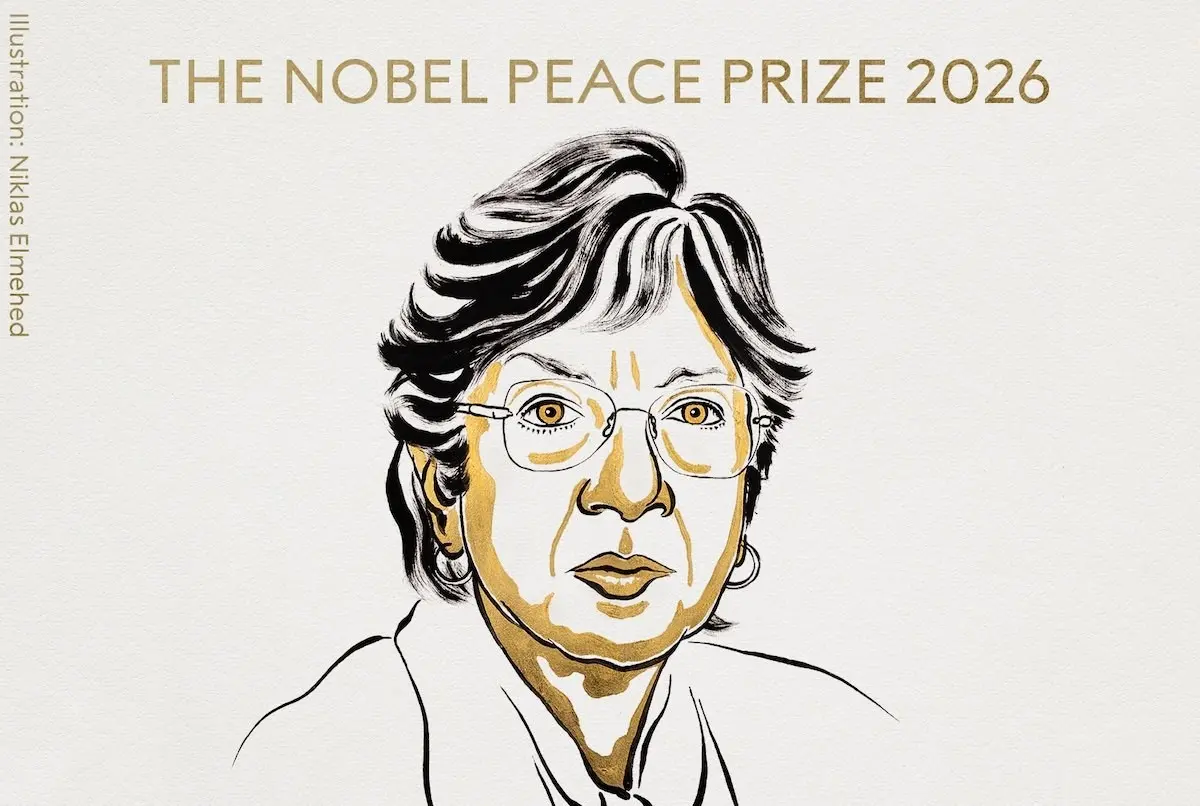
At the end of a ten-day visit to the Asian country, the UN Special Envoy for Cultural Rights, Greek economist Alexandra Xanthaki, issued a statement summarising her experience, which will form the basis of a report to be submitted to the UN Human Rights Council.
‘I recognise Laos's renewed commitment to the human rights complex,’ she explains, However, despite what the Lao People's Democratic Republic's legislation on cultural rights states, ’concern remains about policies that seek to assimilate ethnic minorities and indigenous peoples into the dominant Lao group, as well as the folkloreisation of culture for tourism purposes.’
‘Although local law recognises cultural rights,’ Xanthaki continued, ’inclusive development and prosperity in Laos, built by the people and for the people, can only be realised if everyone feels free to preserve their chosen way of life and contribute to development according to their own visions and priorities.
The UN envoy also emphasised the need for the Vientiane government not to sacrifice cultural diversity and cultural rights to economic development and state unity as it ‘implements a policy of widespread relocation of villages in the name of development’, without adequate information and consent of those who will be affected and a fair agreement on compensation.
This situation stems in part from the failure to recognise the existence of minority and indigenous groups in marginalised conditions. A denial ‘that means denying them the international standard protection appropriate to their specific condition’.
‘Lack of discrimination,’ the UN expert went on to emphasise, “does not mean uniformity but implementing measures to guarantee the different cultural practices and perspectives (of the various minority groups) and enable them to contribute to society”.
In terms of poverty reduction, Xanthakis also emphasised the official commitment to reduce poverty and promote development, but noted that the socio-economic-only perspective implemented remains inadequate, lacking serious human rights policies and adequate compensation for the losses of those impacted by development projects. It is also up to economic partners and international organisations to consider these aspects.
The situation that emerged during the visit and the meetings with government officials, UN agencies and their local partners, and the villagers in various locations around the country led the UN Special Envoy to the conviction that ‘the proposed official narrative that the entire population understands and agrees with development projects is unrealistic’.