Milan (AsiaNews) – While diplomats discuss peace plans that have so far remained a dead letter, Myanmar’s civil war rages on, leaving a trail of destroyed buildings, landmines, empty villages, and millions of displaced people.
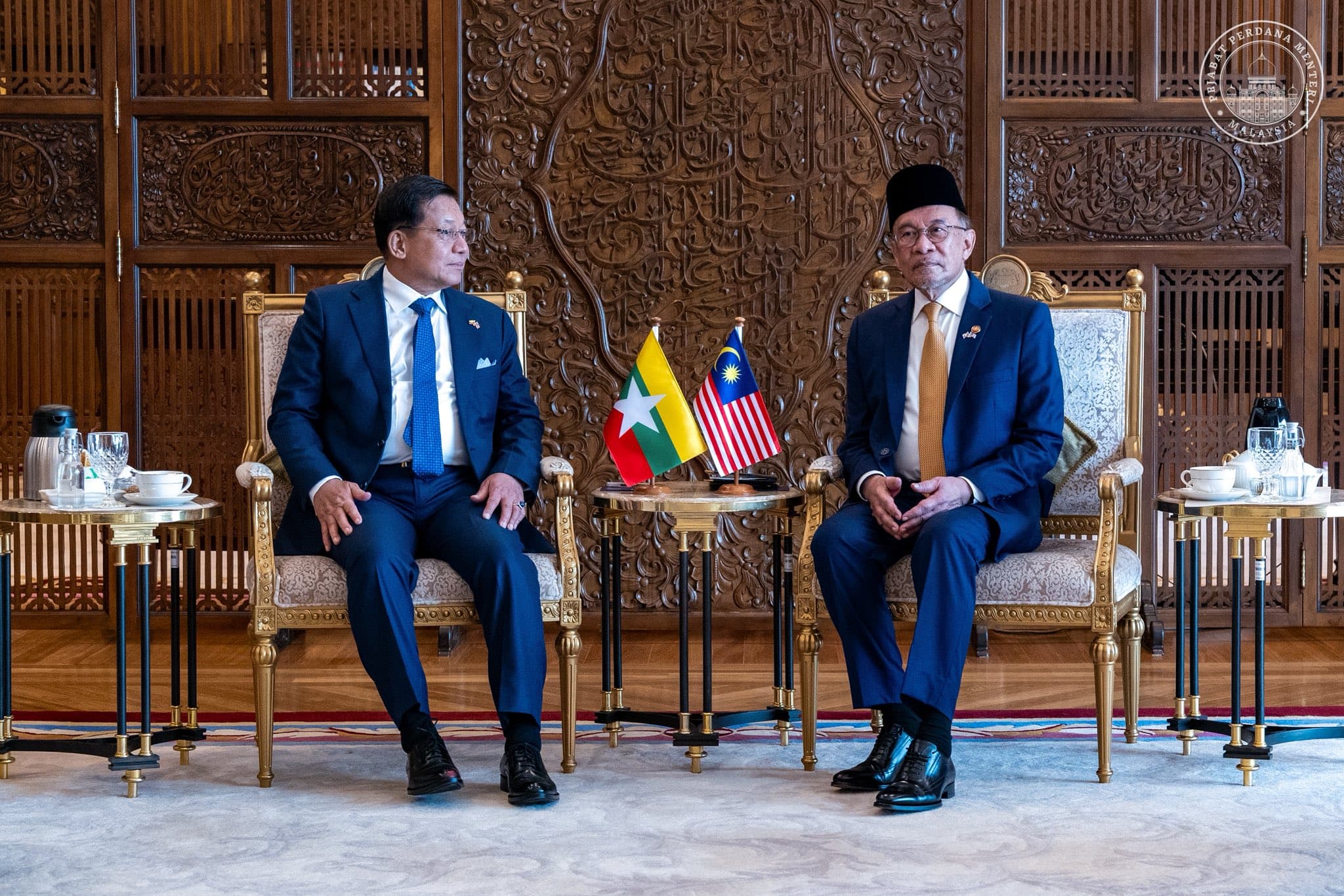
The Association of Southeast Asian Nations (ASEAN) recently asked Myanmar’s military junta to show "demonstrable progress" regarding its five-point peace plan, a proposal put forward by the regional bloc to solve the conflict but never implemented in more than five years of war.
For its part, the reality on the ground shows how complicated it is to achieve reconciliation even in the liberated areas.
The cathedral returned, partially
In the Diocese of Loikaw, Kayah State, the military has vacated the Christ the King Cathedral complex and the pastoral centre in the homonymous state capital, seized in November 2023, allowing two priests to return.
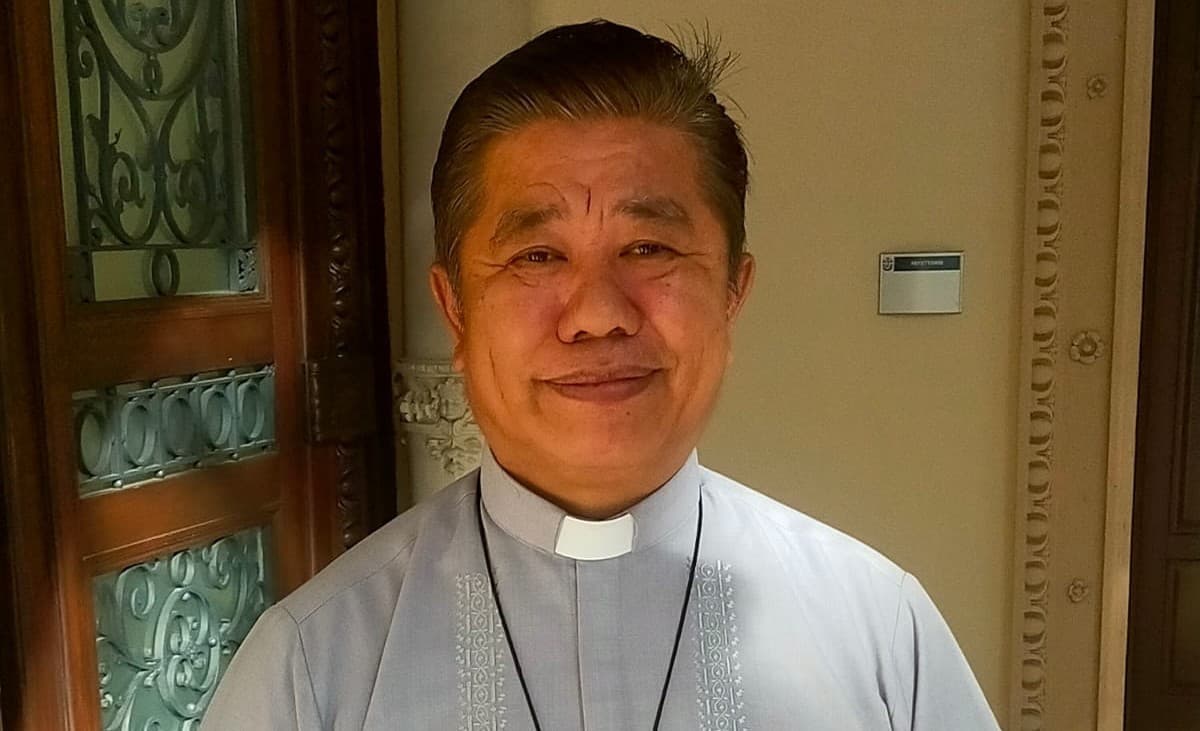
"Now we can go back," said Celso Ba Shwe, Bishop of Loikaw since 2023, speaking to AsiaNews. But access is partial since the pastoral centre is still damaged and has no water or power. For now, the diocese has only repaired the ground floor, to house senior citizens or sick priests.
Early work on the cathedral has allowed it to be “temporarily” reopened for worship “in order to be able to use”, noted the 61-year-old prelate.
The faithful are also slowly returning, especially the families who had taken refuge in Taunggyi, the capital of Shan State, or in Mandalay, one of the cities under military control, where the cost of living has become unsustainable for those who have lost all sources of income.
Returning, however, doesn't mean finding your home again; many “were destroyed. Burnt down,” the bishop lamented.
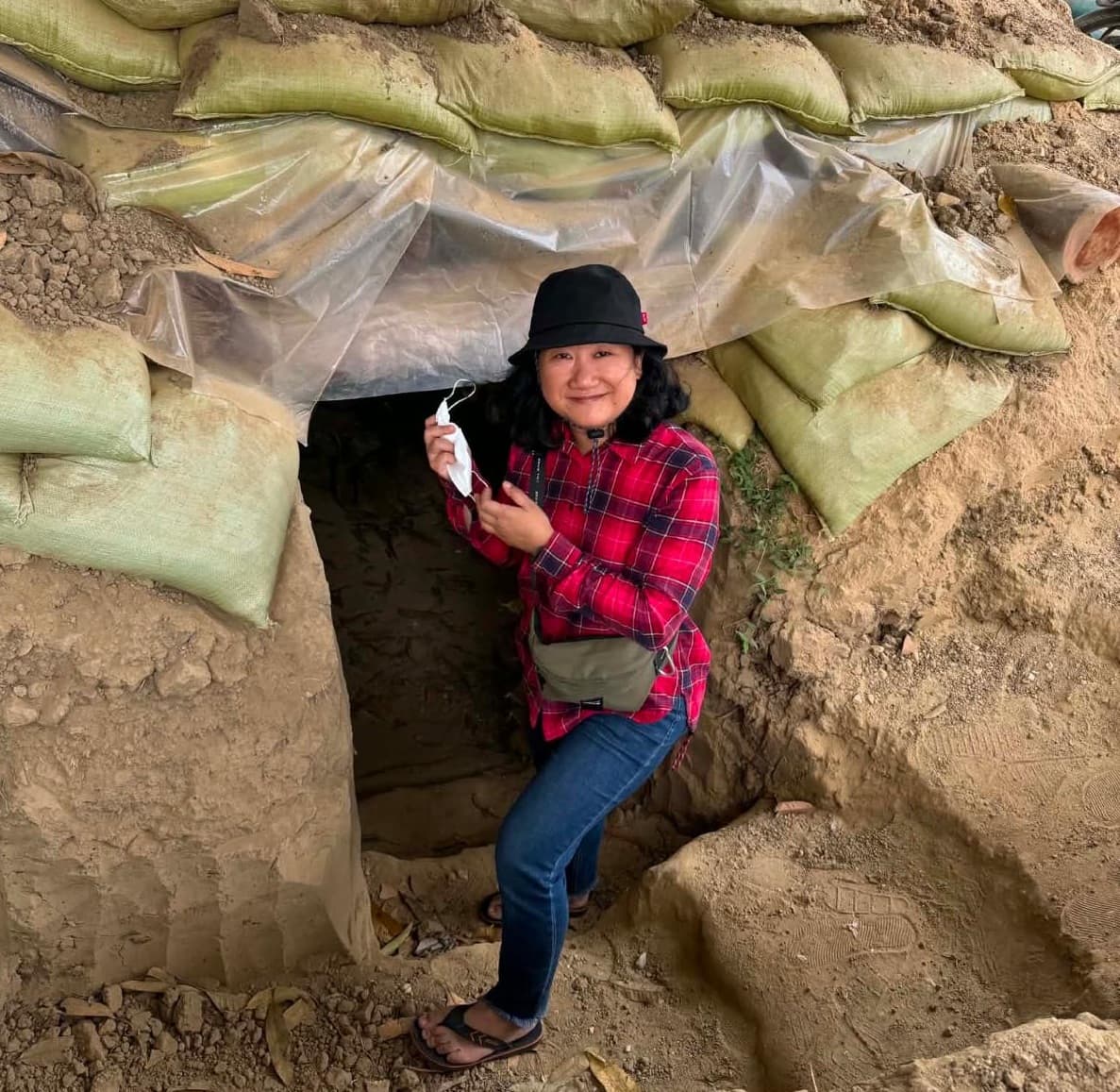
Those who return often have to rent, for less money than in the big cities, but still have to rent. Above all, they have to deal with an invisible enemy: landmines.
A priest who recently returned to the diocesan centre to restore power found several mines just within the perimeter of the facility.
The steps to take, when they are spotted, is to call in soldiers to remove them, but this operation comes at a cost and is currently complicated by the fact that no one knows their exact location.
At the start of the war, the most brutal phase for Loikaw, mines were placed all around the city with its 50,000 residents leaving in just a few months.
This is also why most of the diocese's Catholics remain in the forest, in approximately 300 camps for internally displaced people, housing more than 150,000 people.
The bishop continues to live there, in a parish nestled in the forests. Getting there from the diocesan centre now takes two days on an impassable main road instead of an hour and a half.
Resignation after the vote
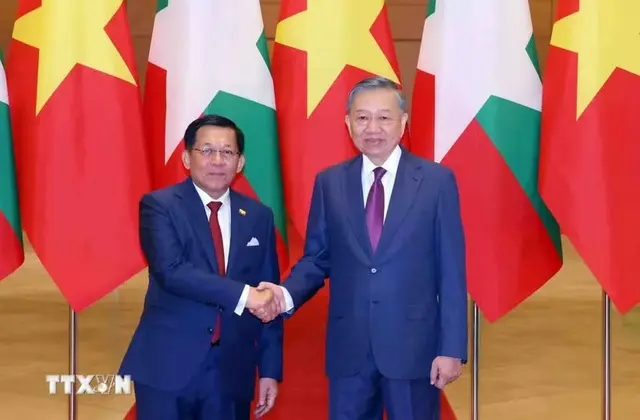
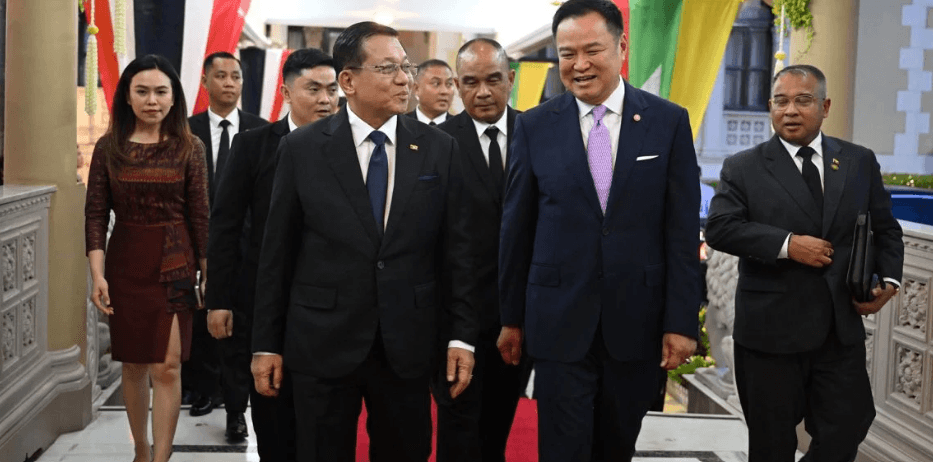
The vote held earlier in the year by Myanmar’s military junta brought General Min Aung Hlaing to the presidency, but did not fundamentally change the crisis. After five years of fighting, a feeling of pure resignation prevails among the people.
“After five years, people are really suffering”. By and large, they “don’t want to go back home” to the way they left it. They “can’t help it”.
Fear still haunts many. People who joined the Civil Disobedience Movement (CDM), a peaceful protest by public employees following the 2021 coup, risk arrest if they return to the city.
The same goes for those who have family members in the resistance. Many young people are left with no choice but to emigrate to Thailand or other neighbouring countries.
Fatigue now prevails even among those who joined the fighting, particularly the People's Defence Forces (PDFs), militias that formed after the coup.
Many thought “that the so-called revolution would last only two-three months, or six months, or one year, or two years. Now, five years later, they are fed up with the fighting,” Bishop Ba Shwe said.
In addition to the internal divisions among armed groups, the need to support one’s family is a major issue.
“If you continue fighting, you have no salary, you have no money to support your family,” the prelate explained.
One of the most lasting consequences of the war is the interruption of education for the youngest children.
For the bishop, it is “very difficult for the children” to get an “education in the jungle, in the displaced camps”.
The diocese has set up informal classrooms, but they are not recognised by the authorities.
Those who finish high school in the forest, if they were to return to the city one day, would have to start over again, "from fifth grade," the prelate noted.
For this reason, he called on the diocese's nuns to remain in the camps with the families, "to take care of the children's education."
In Loikaw itself, schools are still closed, while in some cities under military control, "they are starting to reopen."
A community that does not give up hope
Despite everything, the community has not given up hope and is still looking to the future, Bishop Ba Shwe noted, echoing what he said last year.
The refugee camps that dot his diocese, home to a few dozens to hundreds of families each, are often mixed communities, with Catholics, Baptists and Buddhists, living together in the same place, where the Church’s charitable outreach, offered without distinction of faith or ethnicity, continues to be recognised even by non-Christians.
Many Buddhists say “we don't see our monks anymore; we only see Catholic priests,” and “are happy with that”.
Whenever people move to a new area, the first thing they think about is where to build the church, “even a temporary one with bamboo or plastic”. In there, people find “consolation and hope”, accompanied by men and women of the cloth whose presence means that “God hasn’t abandoned us”.
The churches remain spartan: a cross, a sheet of cloth, a few bamboo planks, to be remade with each rainy season.
But some refugee camps have taken a different path, and what were once camps for displaced people are becoming full-fledged parishes, with resident priests and nuns.
Many, Ba Shwe explains, sold what little they had left in Loikaw to move permanently.
“In the beginning they thought it would be something very short. But then, after a few years, they saw that it's not going to end easily so they just moved.”
This signals the intention of not going back, but also of the Church's ability to put down roots even amid uprooting.
The still uncertain path to reconciliation
In recent weeks in Rome, the bishop met in an audience with Pope Leo XIV, along with other Myanmar bishops.
“Usually, to meet the pope is very difficult and we have very little time. But this time we had one hour and 45 minutes,” he said, still excited.
Each bishop was able to speak about the difficulties in his own diocese.
The pontiff encouraged the bishops to be patient and to remain firm in the Church's social teachings, but he insisted above all on their commitment to reconciliation whenever the opportunity arises.
“We do not support this or that group. We always stay in the middle,” the bishop said. “This is the work of the Church now”.
Asked about possible steps toward peace, Bishop Ba Shwe focuses precisely on the theme of reconciliation the most.
At present, the situation is one of stalemate between irreconcilable positions: the military government is calling on the armed groups to lay down their weapons and surrender; the ethnic armed groups, on the other hand, are demanding respect, understanding, and genuine dialogue, and view the demand for surrender as unacceptable.
Yet, in his contacts with various ethnic armed groups, the bishop saw the same thing: “Fighting is not the solution. War is not the solution. Finally, this war will come to an end only at the [negotiating] table, in dialogue, in the meeting with each other.”
He admits that the necessary confidence to achieve this is lacking. But it is a path the Church has already explored in Myanmar. Some 30 years ago, the Bishop Emeritus of Loikaw, Mgr Sotero Phamo, helped mediate between the army and ethnic armed groups, earning him the moniker of "bishop of peace”.
The situation today is different. Back then, the conflict only pitted the army against ethnic armed groups; today, with the participation of a larger segment of the population and the People's Defence Forces, the situation is more complex and more difficult to resolve.
However, one request remains that Bishop Celso Ba Shwe receives from both sides, that the Church show a path to peace.
“They always look for the Church, what the Church will say,” he said. This “is a big task,” he added. “But after five years of suffering, people really want peace.”