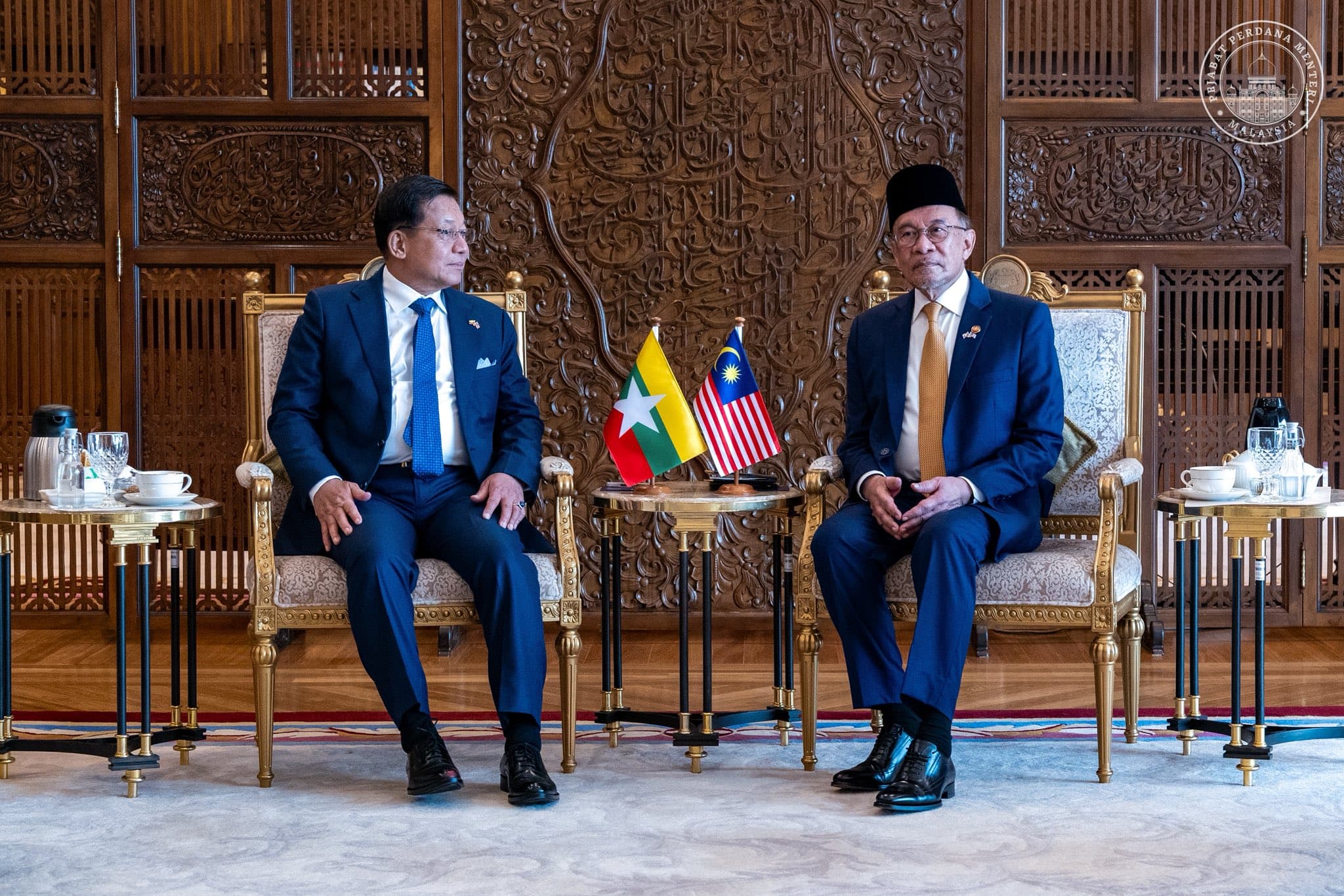
Kuala Lumpur (AsiaNews) – After years of diplomatic isolation, Myanmar’s military regime is regaining international legitimacy thanks to recent overtures from its neighbours and, now, the United States.
Following a visit to Malaysia on 7–8 October, during which Myanmar President Min Aung Hlaing discussed the repatriation of Myanmar refugees with Prime Minister Anwar Ibrahim, other Southeast Asian countries have announced plans to host the retired general responsible for the 2021 military coup that plunged the country into civil war.
Min Aung Hlaing became president in April following undemocratic elections, while the war continues to devastate the country, with civilian sites like churches and monasteries targeted despite sheltering refugees who fled airstrikes and fighting.
The breakthrough with Malaysia
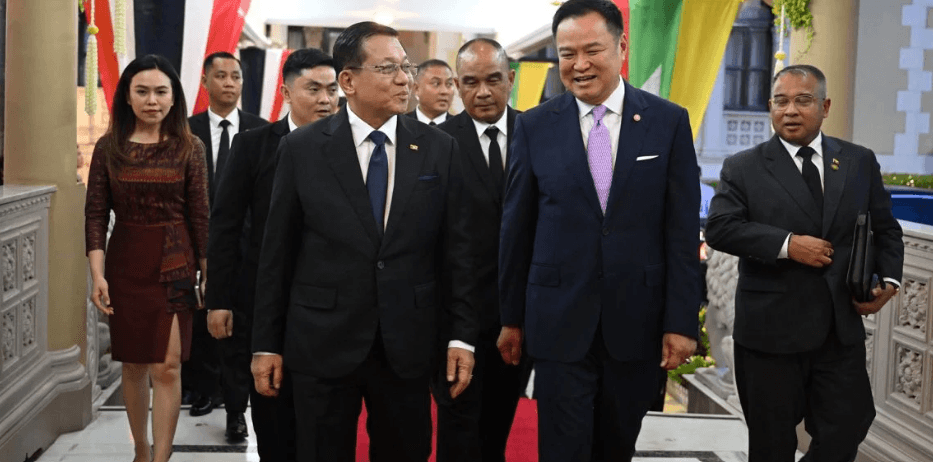
Following last week’s talks, a spokesperson for the Myanmar government announced that Min Aung Hlaing might also visit Indonesia and Brunei.
For the Malaysian prime minister, his government would do “whatever is possible” to facilitate Myanmar’s full reintegration into the Association of Southeast Asian Nations (ASEAN).
Malaysian authorities subsequently clarified that this rapprochement does not amount to unconditional recognition of Myanmar’s current administration, noting that they plan to continue talks while addressing outstanding political and humanitarian issues.
Nevertheless, the two governments have agreed to boost cooperation in sectors such as trade, investment, education, agriculture, energy, and healthcare.
Anwar also thanked Min Aung Hlaing for agreeing to the return of thousands of Myanmar nationals.
Such repatriations, used by Anwar as part of a domestic political strategy ahead of upcoming elections, have drawn criticism from United Nations experts and human rights groups.
Those sent back face possible persecution, violence, and forced recruitment into the military, following the junta's imposition of mandatory military service for both men and women in 2024.
In this situation, the fate of the Rohingya, a predominantly Muslim ethnic minority largely denied citizenship by Myanmar authorities, remains unclear.
In the western state of Rakhine, where most members of the group originate, fighting between the army and armed ethnic opposition groups is particularly brutal with the Rohingya bearing the brunt of the violence by both sides.
A domestic and regional political calculation
Some observers have noted that the shift in Malaysia’s stance, after it had previously condemned Myanmar’s military junta, follows months of growing hostility towards Rohingya refugees in the Southeast Asian country.
In recent months, online petitions have called for their expulsion, and in July, local residents drove 100 Rohingya from their homes on Penang Island.
Anwar’s party has suffered three consecutive electoral defeats in state elections in Negeri Sembilan, Johor, and Sabah, and government approval ratings remain low, particularly among ethnic Malay voters.
For this reason, taking a hardline on the Rohingya appears more like a response to public dissatisfaction ahead of the next general elections, due by early 2028.
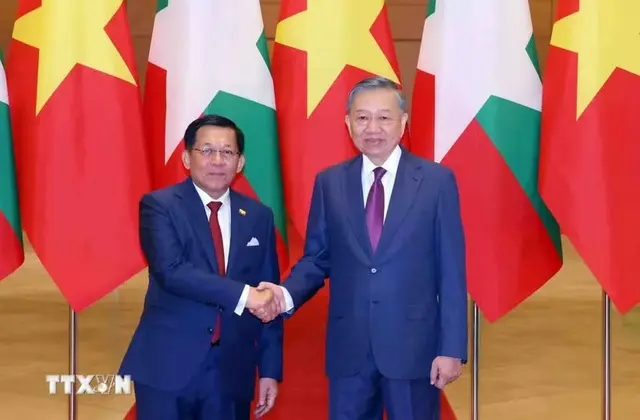
Kuala Lumpur’s openness also follows visits by Min Aung Hlaing to Thailand, Cambodia, Laos, and Vietnam (not to mention India, China, Russia, Belarus, and Kazakhstan), signalling a shift in ASEAN’s overall stance as well.
At the ASEAN summit in the Philippines in May, the leaders of the various countries acknowledged the need to find new ways to address the crisis in Myanmar, following years of scant progress in implementing the peace plan agreed upon in 2021.
Philippine President Ferdinand Marcos Jr., who holds the bloc’s rotating chairmanship, cited the need to break the deadlock, while reiterating that any progress must respect the organisation’s principles.
However, initiatives taken by individual countries risk undermining these efforts. And while more pragmatic engagement may offer useful channels for addressing the crisis, demands for an end to the violence and for talks with resistance groups are not on the military’s agenda.
A shift in the US approach as well
The administration led by US President Donald Trump has now also initiated direct talks with the military government.
According to recent reports by Reuters, Michael Vance, the Assistant Secretary of State for Intelligence and Research, met with Min Aung Hlaing in Naypyidaw in mid-September.
The primary objective was to secure the release of businessman Adam Castillo, president of the American Chamber of Commerce in Myanmar, who had been detained by local authorities.
However, the meeting paved the way for broader cooperation.
A source reported that, in exchange for the release, Myanmar authorities asked for “an official engagement at the right level with the US government”, further confirming the regime’s quest for international legitimacy.
Other sources noted that Vance, who was confirmed in August, met with players from all factions involved in the conflict in Myanmar and shaped President Trump’s approach accordingly.
The US administration wants to end online scam centres that have proliferated along the Myanmar-Thailand border since 2020, which also target US citizens.
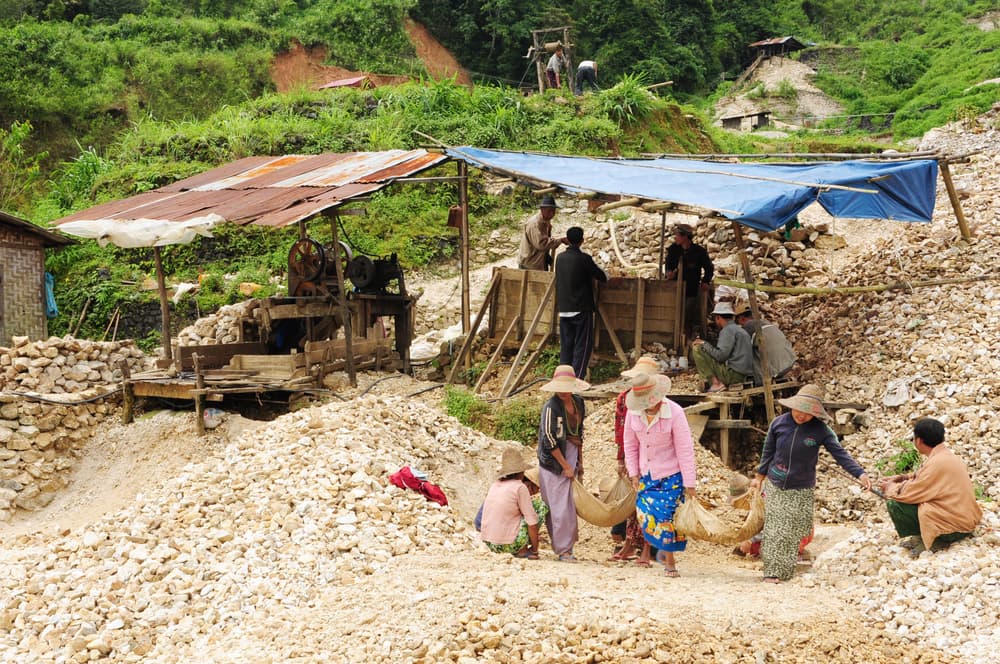
However, Washington may also be interested in accessing rare earth deposits located in territories largely controlled by armed groups over which China exerts influence.
Although the US has already lifted certain restrictions on individuals close to the military leadership, Min Aung Hlaing remains under sanctions for the time being (imposed following the Myanmar military’s persecution of the Rohingya in 2016–17), and the United States maintains contact with the country’s democratic opposition and armed ethnic groups.
In the US case, the suffering of Myanmar’s civilian population is taking a backseat in favour of a pragmatic approach that entails engaging with those who control the government to pursue specific domestic objectives.