Articles on the topic:

Orthodox

Featured article

Faith, the sword and shield of Russia’s War

In his book *Religion in War*, Sevastopol native and journalist Aleksey Gordeev, explores the role of religious organizations in the annexation of Crimea and in the current war in Ukraine. From a tool of political influence and a justification for violence to a source of hope and support for those defending their country.
  • The ecclesiastical hitchhiking of Russian priests

    From Vladivostok to Vilnius, priests are being reduced to the lay state. In a book published in Paris, where he has been reinstated by the Ecumenical Patriarchate, Father Aleksej Uminskij recounts receiving confused letters every week from former colleagues across the country. Many Orthodox priests find it impossible to pray for the war, but fear denunciations and ecclesiastical judgement.

  • Russian icons against alcoholism

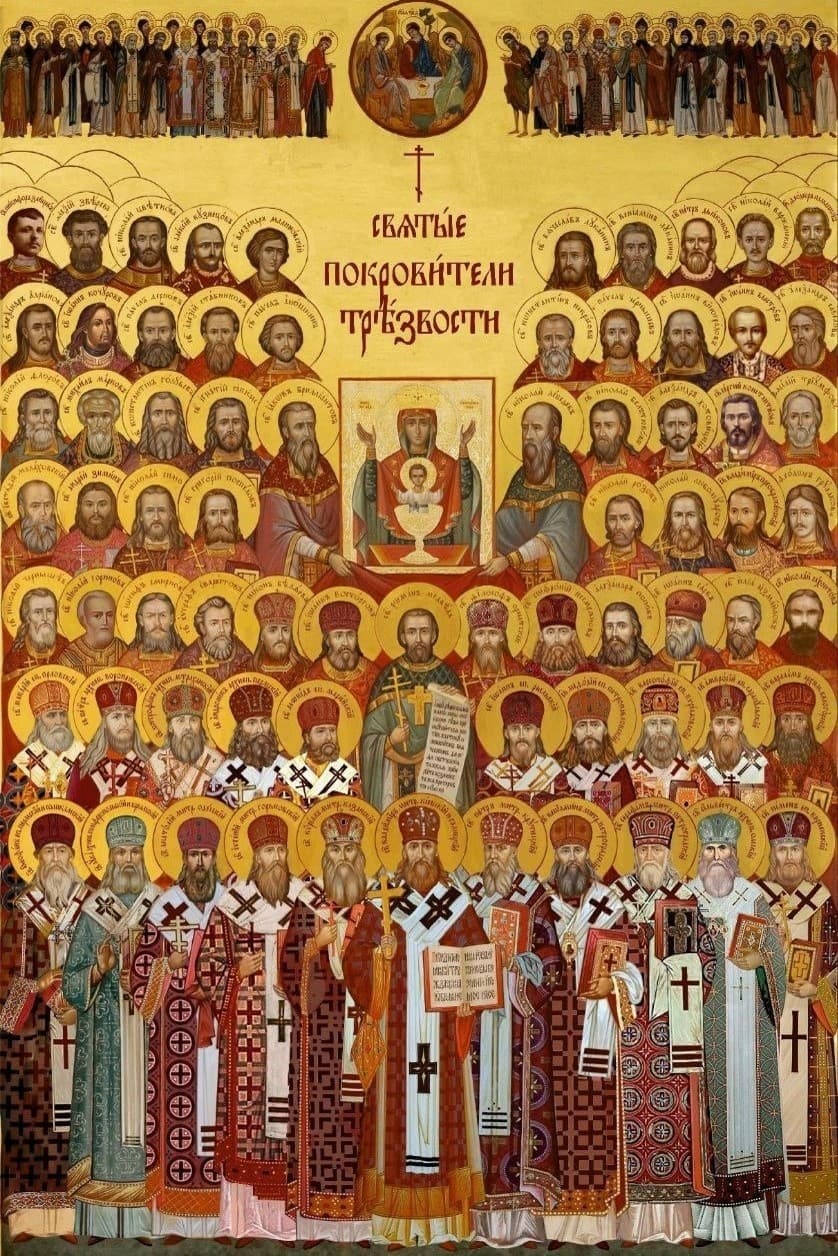
    The icon of the Mother of God Neupivaemaja Čaša, the “Inexhaustible Chalice” which presents Christ as the “drink of salvation”, is increasingly invoked by Russian Orthodox Christians to seek deliverance from alcohol and drug addiction. Alongside 80 “saints of sobriety” chosen from among the “new martyrs” of the last century.

  • Social Service in the Russian Orthodox Church

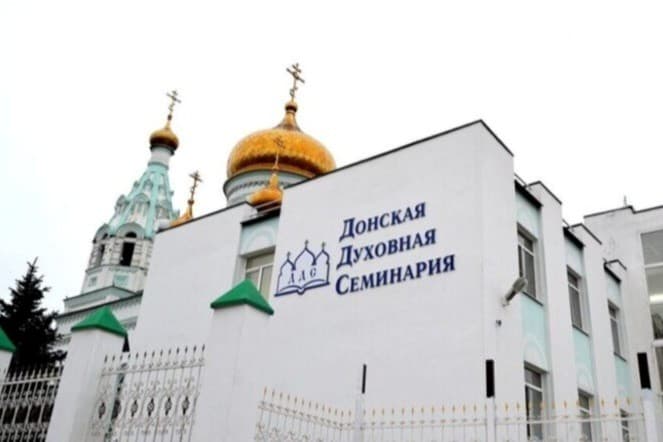
    At the Donskoy Seminary in the Rostov region, a master’s programme on the charitable dimension of the Church has been launched at the Synod’s behest. This marks a new direction in Russian Orthodox theological studies, with a programme that seeks to develop an ‘innovative’ approach, employing both scientific and spiritual methodologies.

  • The Georgian Church and the Succession of Ilia II

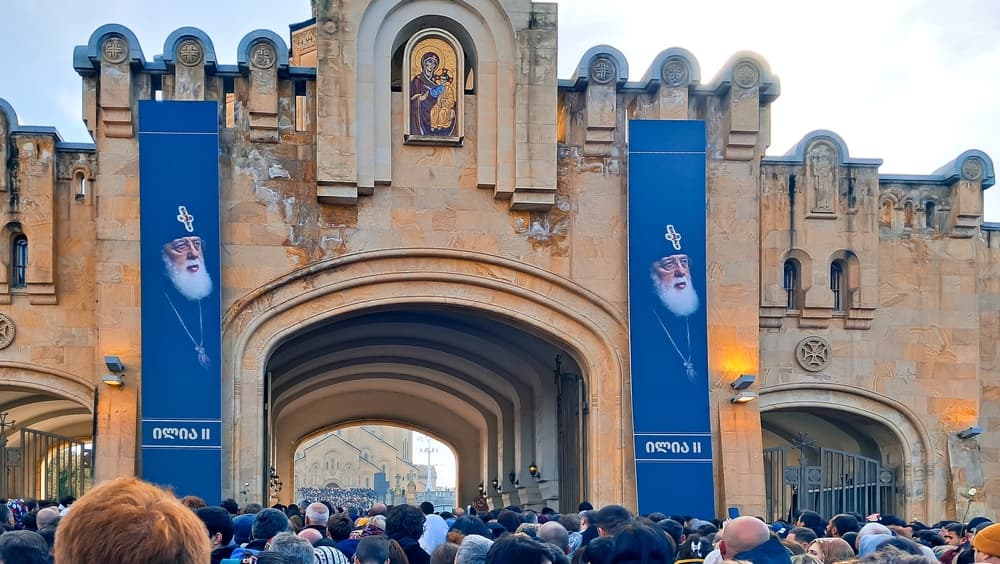
    Synod to identify candidates convened for April 3. Patriarch Bartholomew of Constantinople proposed two names, provoking a furious reaction from the Russians. The Georgian Church was one of the first to adopt a very radical and aggressive stance, withdrawing from the World Council of Churches. Theologian Čapnin: “The real problem is religious nationalism”.

  • Easter and Soviet Russia's Martyrs

    A Russian online platform is currently broadcasting a series of documentaries entitled ‘The Living Word’, dedicated to great figures of Orthodoxy who were killed in the years following the Bolshevik Revolution. These figures remind us that one can give one’s life for ideals that unite religious faith, evangelical charity and love for one’s homeland – not to destroy the enemy, but to build a new world.

  • Filaret, the man at the heart of the schism between Ukrainian and Russian Orthodox Christians, has died

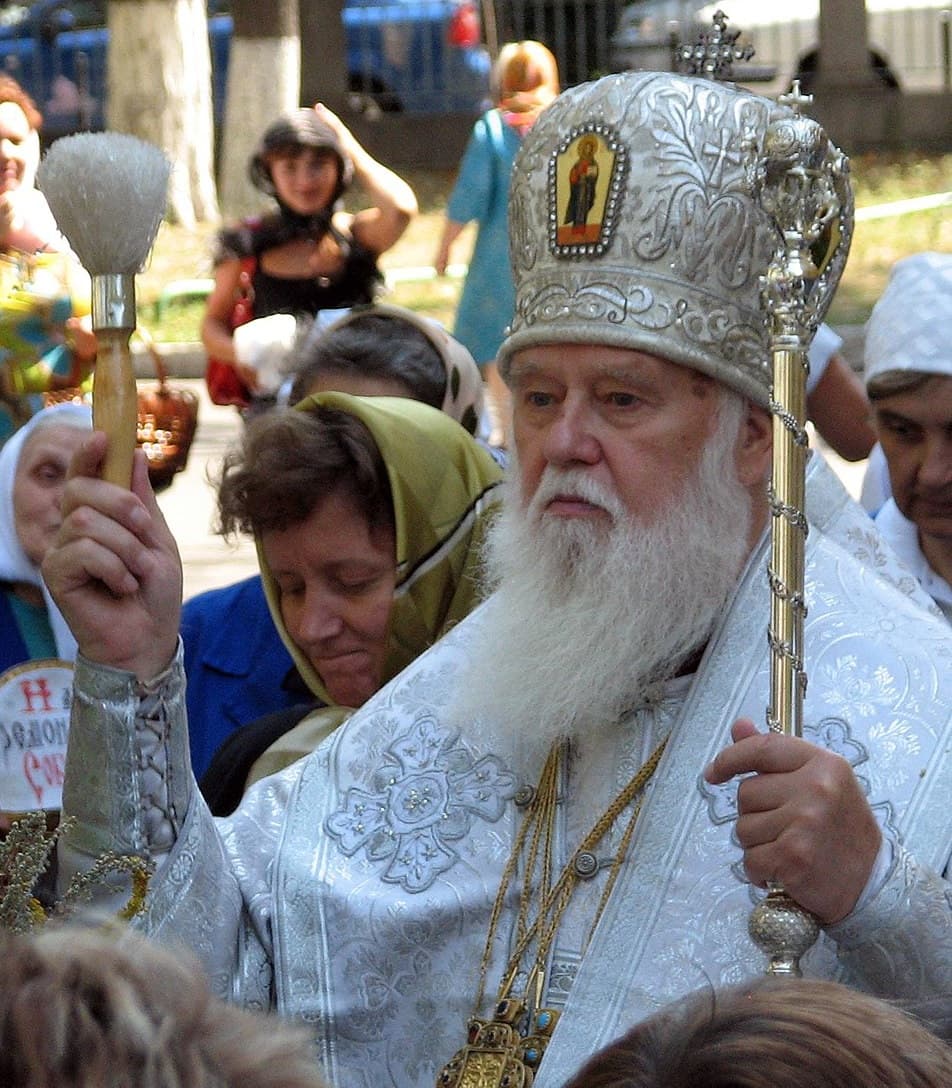
    The Patriarch Emeritus of Kiev has passed away at the age of 98. He had long been described as “the most Soviet of the metropolitans”, but in 1990 he was bypassed by Alexy in Moscow following the death of Pimen. In 1992, he was the first to break communion with the Russians, taking a large part of the clergy with him. Until, during the turbulent negotiations under President Poroshenko, it was Kirill who rejected an agreement, thinking (wrongly) that he could render it irrelevant in Ukraine.

  • From the revocation of anathema in Nicaea, 17 centuries after the first Ecumenical Synod

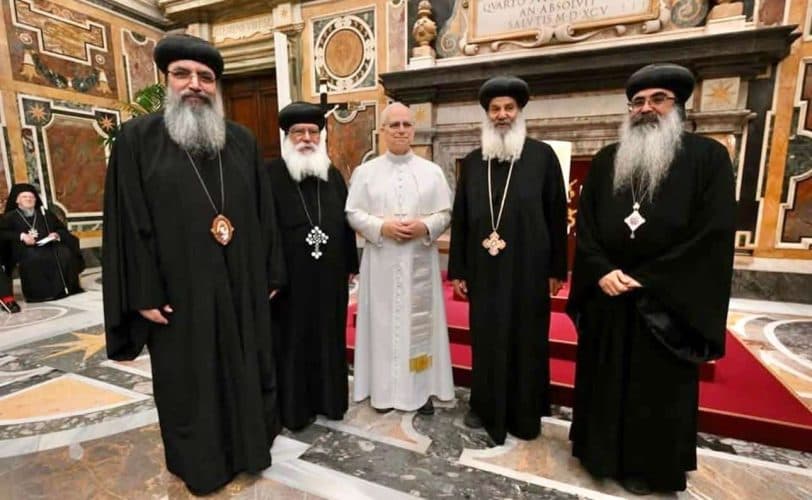
    On the day of Pope Leo XIV's arrival in Turkey, AsiaNews publishes a reflection by Metropolitan Job. The theological dialogue between Orthodox and Catholics does not seek compromise. On the contrary, it produces fruits and agreements on the path towards visible Christian unity. The common condemnation of Uniatism as a method and the interdependence of primacy and synodality.

  • Romanian and Moldovan Orthodox Christians in conflict

    As has been the case in Kiev for some time, there is also conflict in Chişinău between the Orthodox Church of Moldova – linked to the Moscow Patriarchate – and the Metropolis of Bessarabia, which belongs to the Romanian-speaking Church. The Patriarchate of Bucharest itself accuses pro-Russian hierarchs of interfering in the country's electoral processes. A dispute that brings to the surface the troubled area between the Danube and the Dniester.

  • Moscow Patriarchate's battle against neo-paganism

    Faced with the resurgence of the so-called rodnovery, or “native believers”, Kirill formed a special commission led by Russian-French Archbishop Savva, the rising star of his team, to counter this new challenge. But according to Professor Šiženskij, one of Russia's leading religious scholars, the only real answer is missionary work that goes beyond ideological assessments.

  • 'Freedom of Conscience', Russian Orthodox style

    Speaking to the State Duma Committee on Development of Civil Society, Issues of Public Associations and Religious Organisations, Abbess Xenia, head of the Moscow Patriarchate's legal department, said that the most fervent senior officers and generals who adhere to traditional religions should be promoted to command positions in the military. She also called for an explicit ban on “atheism”, deemed “unworthy and immoral”, diametrically reversing the principles of Soviet censorship against religion.

AsiaNews Weekly
News from Asia that matters

Subscribe to the newsletter to receive verified news, analysis and insights from Asian countries every week.

Subscribeto the newsletter
  • P.I.M.E. Centro Missionario
  • Agenzia Fides
  • P.I.M.E. Brasil
  • Radio Mondo
  • Mondo e Missione
  • P.I.M.E. U.S.A.
  • TV 2000