Vatican City (AsiaNews) – “The prophet Isaiah spoke of a time when nations ‘shall beat their swords into ploughshares’ (Is 2:4), transforming that which destroys life into something that sustains it. Today, however, we all too often see the exact opposite happening, whilst efforts continue to be directed towards violence and war”.
Pope Leo XIV writes this in his message released today for the 11th World Day of Prayer for the Care of Creation, which the Catholic Church will celebrate on 1 September. “We are witnesses today to various crises and so much human suffering,” writes the Pontiff. “At the same time, it seems that the destruction of the harmonious balance of creation is accelerating. These phenomena are not unrelated; they constitute a single cry for healing and peace rising from a wounded world.”
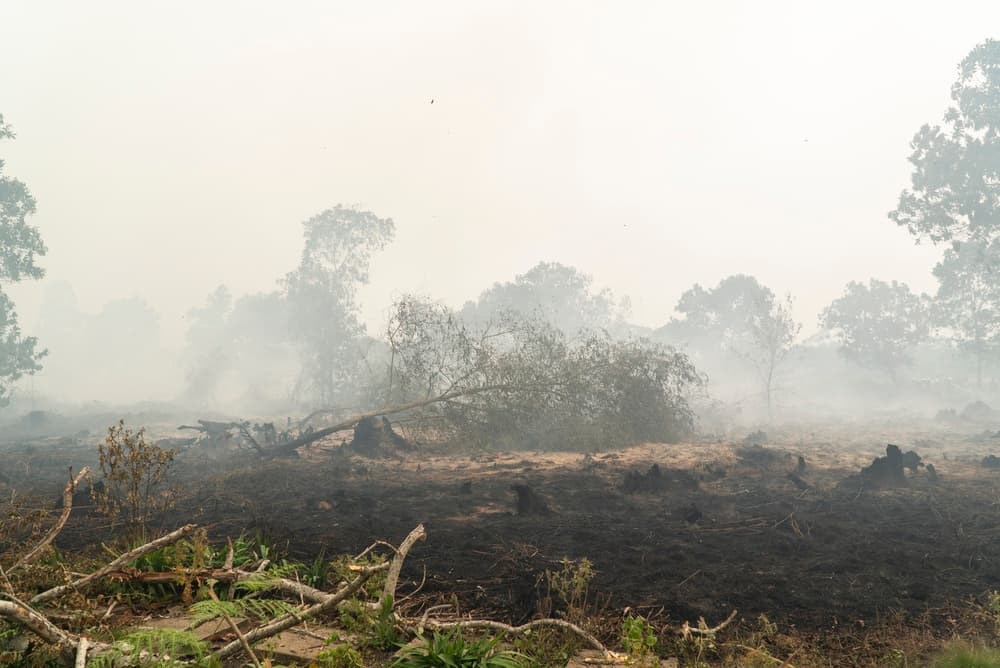
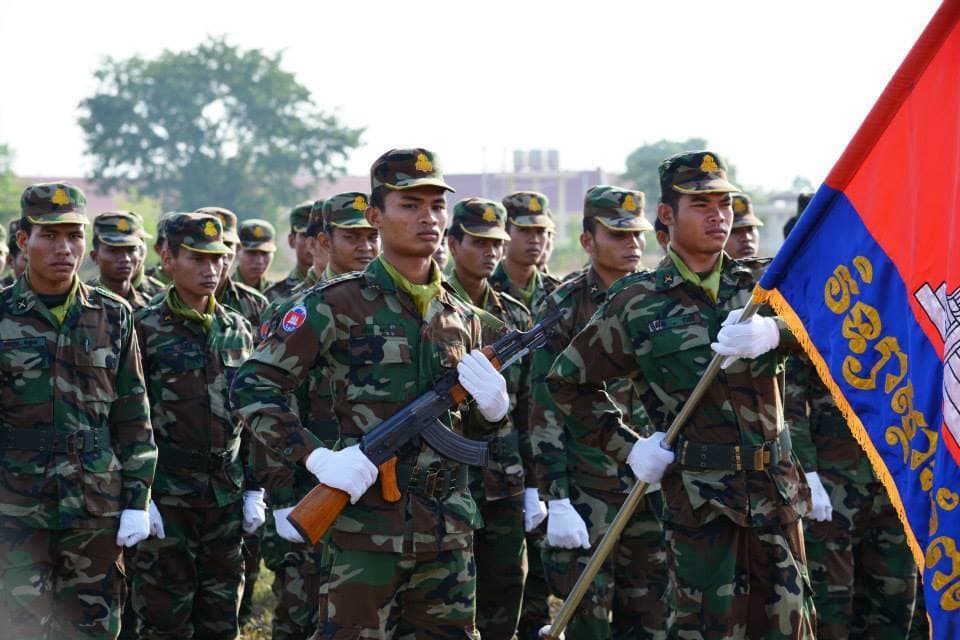
War, the Pope observes, "leaves wounds that extend far beyond the battlefield. It claims lives, tears families apart and forces millions to flee their homes, thereby deepening fear, injustice and division (cf. Gaudium et Spes, 77-82). War also leaves behind social and ecological destruction that endures for generations.” Furthermore, the interplay between armed conflicts and environmental degradation often creates a vicious circle that destroys ecosystems, contaminates essential resources such as air and water, and undermines food security. This in turn fuels poverty, inequality and new social tensions, which may, in turn, contribute to the outbreak of further conflicts.”
This constitutes “a profound failure to live in the image and likeness of God, to respect life and to care for the earth entrusted to us. It is not merely a political failure, but also a moral and spiritual one”. Hence Leo XIV’s call for a “conversion of the heart, which bears fruit in a deeper fidelity to God, in mutual love and in respect for the gift of creation”. For “we struggle with the contradictory desires that dwell within us: love and indifference, truth and illusion, justice and injustice. The wounds of war and the degradation of the earth, therefore, are deeply linked to the condition of the human heart. The conflicts that torment humanity are, in many ways, an outward expression of inner conflicts and divisions”.
Leo XIV recalls the words of Pope Benedict XVI, who, in the homily marking the beginning of his pontificate, observed that ‘external deserts are multiplying in the world because internal deserts have become so vast’. This – comments Prevost – invites us to ‘recognise that, in some way, what is broken around us is also broken within us. The most fundamental causes of conflict and the exploitation of creation are consequences of an ethical and cultural crisis that includes the loss of a sense of limits, the desire for domination, the pursuit of immediate profit and the inability to recognise the dignity that God has bestowed upon every human person’.
The prophetic call to “beat swords into plowshares” (Is 2:4) is therefore not only a vision for nations, but a call to each person. It invites us to transform harm into life. Yet this transformation cannot be achieved through external change alone. It requires, through cooperating with God’s grace, a deeper personal and collective conversion — a returning to God, who will reorder our desires, heal our wounds and help us grow in virtue.”
Renewing our hearts opens up new possibilities, for “the Lord does not leave us without the means of healing and transformation. Instead of weapons of war, the God of peace gives us the strength to heal, to reconcile and to build a civilisation of love. In this way, we are called to safeguard the many ‘ecosystems’ entrusted to us: those of creation, of human relationships and of the very heart of humankind”. The resources currently devoted to war can thus be “channelled towards integral human development, the eradication of poverty, the defence of human dignity and reconciliation amongst divided peoples”. A vision that “reflects faith in the coming of the Kingdom of God”, whose instruments for building peace “are not weapons of destruction, but rather truth, dialogue, patience, goodness, justice, mercy, understanding, care and love”.
“Dear brothers and sisters,” the Pope concludes, “the path before us is clear, though it is not easy. We are called to allow our hearts to be renewed, so that we might seek peace and care for creation. Scripture tells us to guard our hearts, for everything we do flows from them (cf. Prov 4:23). If we take up this task with humility and faith, we will become collaborators in God’s work of renewal. We will move, slowly but surely, from desert to garden, from division to communion, and from violence to peace.”