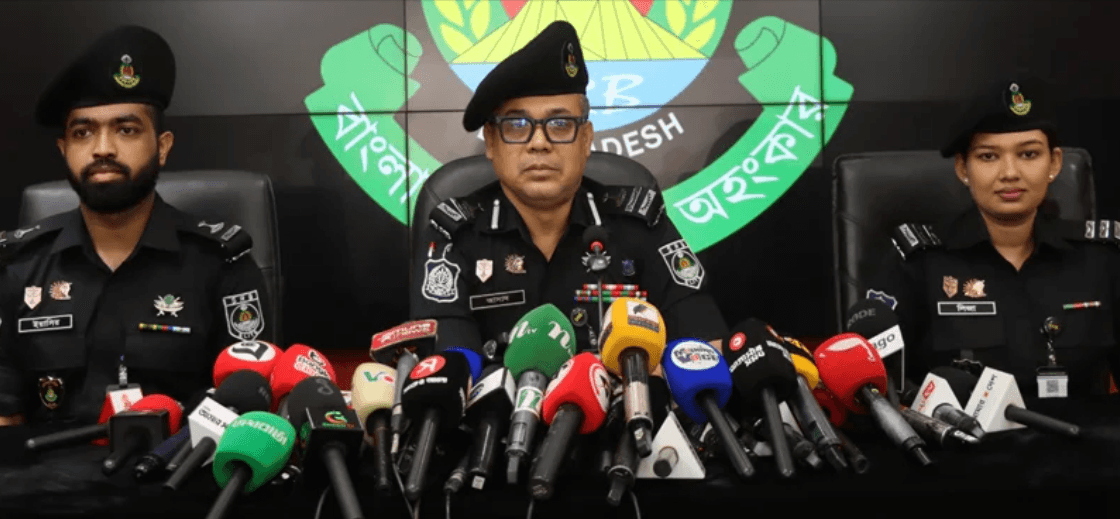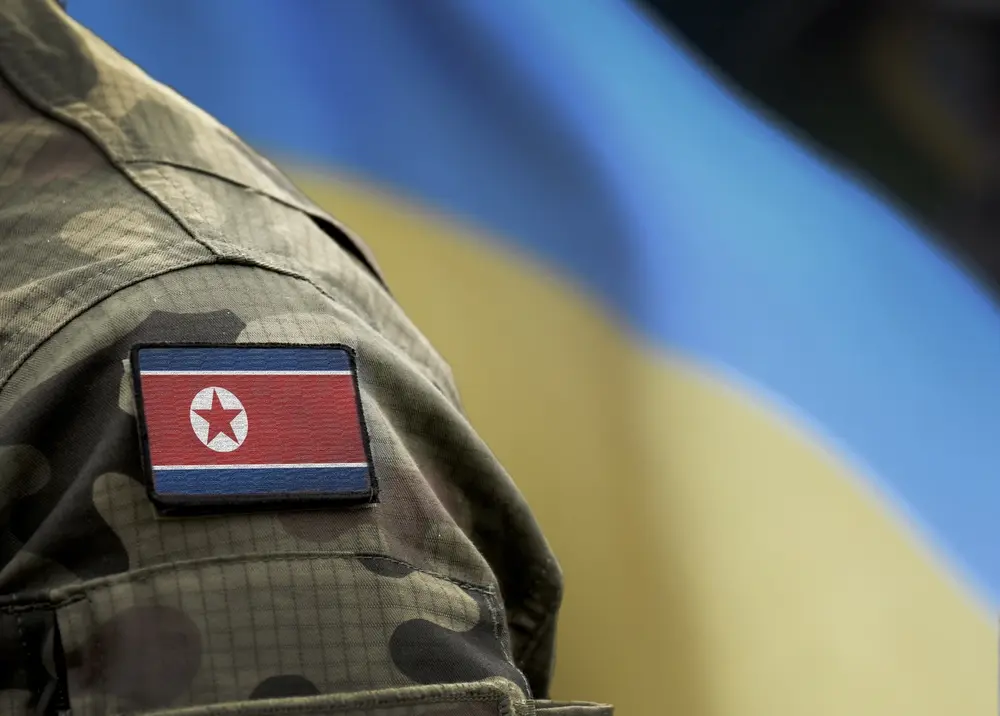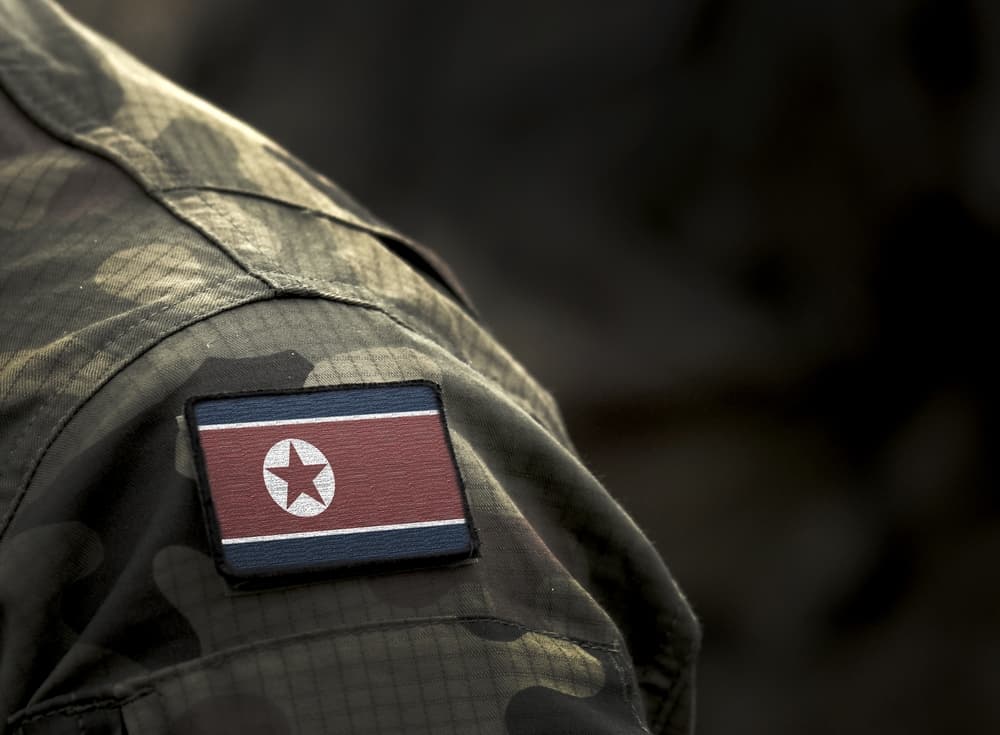
Seoul (AsiaNews) – For over a year, two young North Korean soldiers have been held in Ukraine, torn between being returning to North Korea or going to South Korea. Complicating the situation now is the case of six South Korean activists who recently came under investigation for travelling to Ukraine without their government's permission.
The six visited Kyiv between 7 and 11 May of this year to meet with Ukrainian authorities and civil society groups to discuss the future of the two prisoners. Since 2022, however, Ukraine has been off-limits to South Koreans because of their government’s travel ban, which can only be waived with special authorisation.
According to Jang Se-yul, president of the Gyeoreol Unification Solidarity, the association to which the activists belong, South Korea’s foreign ministry launched an investigation against the six for violating the Passport Act.
The activists' goal is to prevent the two soldiers from being repatriated to North Korea, where the regime imposes harsh penalties for political crimes.
Jang, also a defector and former North Korean intelligence officer, and his group have long been fighting to ensure that North Korean prisoners employed in Russia’s war are treated primarily as people deserving of protection, not as potential pawns in transactions with Ukraine.
Last year, it submitted requests to the Ukrainian authorities to enforce the international principle of non-refoulement, which prohibits returning people to countries where they could be at risk of torture and inhumane and degrading treatment.
The two soldiers captured in Kursk
The story of the two North Koreans begins in January 2025, when Ukrainian forces captured them, wounded, in Russia’s Kursk region while fighting alongside Russian troops.
For security reasons, they are only known by their surnames, Ri and Baek, and are among the thousands of soldiers sent by Pyongyang to Russia as part of the (increasingly closer) military cooperation agreements between North Korean dictator Kim Jong-un and Russian President Vladimir Putin.
According to the two men, North Korean soldiers are being instiled with the idea that being captured is a form of treason and that it is preferable to die than to be captured.
Last year, Jang Se-yul released letters in which both soldiers thanked the South Koreans who had supported them and stated that they had decided to go to South Korea.
International law
The Third Geneva Convention on Humanitarian Law stipulates that prisoners of war must be released and repatriated without delay after the cessation of active hostilities. However, in this case, the two North Koreans would risk serious human rights violations upon their return home.
In February this year, Elizabeth Salmon, the UN special rapporteur on the situation of human rights in North Korea, explained that the Ukrainian government is aware of the existence of “reasonable grounds” to believe that the two soldiers could be subjected to torture if returned to North Korea. Kyiv, she added, under certain circumstances, can transfer them to a third country or grant them protection, but that the decision rests with the Ukrainian authorities.
Seoul: "They are our citizens"
Seoul's position is based on Article 3 of the Constitution, which states that the territory of the Republic of Korea includes the entire peninsula.
When Ukraine and Russia agreed to an exchange of a thousand prisoners each in May last year, the two Koreans were excluded at Seoul's request, which had already indicated the possibility of accepting them.
In June, the South Korean foreign ministry stated that Seoul is ready to accept all North Korean prisoners held in Ukraine who wish to reach the South.
The issue was also discussed directly with the Ukrainian government. On 30 June, the foreign ministers of South Korea and Ukraine, Cho Hyun and Andrii Sybiha, agreed to find a solution that respects international law and humanitarian principles.
A few days later, on 8 July, South Korean President Lee Jae-myung and Ukrainian President Volodymyr Zelensky reiterated the same points in Ankara, on the sidelines of the NATO summit.
This, however, does not yet constitute an agreement on their transfer. It does not establish when or by what procedure the two men could be moved to South Korea.
This is why Gyeoreol Unification Solidarity continues to fight to ensure that the North Korean prisoners do not become a bargaining chip between Ukraine and Russia.
As Kyiv announced in May of this year, Russia has repeatedly requested information on the possibility of returning North Korean prisoners, but has not made similar requests for other foreign fighters held in Ukraine.