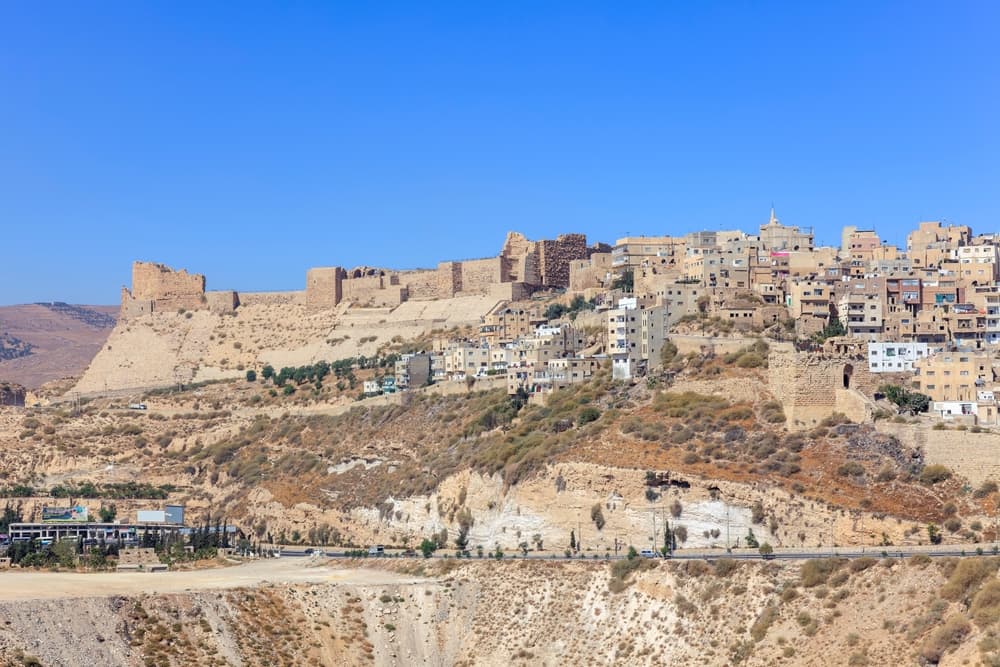
Istanbul (AsiaNews) - In Turkey, the last village of Armenian origin located on the slopes of Mussa Dagh, in the south of the country and near the border with Syria, faces the threat of expropriation by the government authorities.
Raising the alarm is the news website Bianet, which cites local sources, according to which a new housing project linked to post-earthquake reconstruction works in early February 2023 could lead to a demographic change in Vakıflı, in the Samandağ district of Hatay province.
The village is included in a large-scale development plan promoted by the Housing Development Administration (TOKİ) as part of reconstruction projects initiated after the devastating earthquake that hit Anatolia in particular just under two years ago.
The project, which involves the construction of 1,353 housing units, covers parts of Vakıflı, including residential areas, agricultural land and treasury properties.
The authority's website details the plan and related works including houses, commercial activities including a centre with 14 shops, infrastructure and landscaping works. Vakıflı residents are alarmed by the prospect of expropriation, fearing that the project will damage the historical, cultural and social fabric of the village. Many fear that the area may lose its unique status as the last Armenian village in Turkey.
In this regard, one resident said confirmed that in the next few days, village leaders from Vakıfköy, Hıdırbey and Mağaracık ‘will meet with the governor. As inhabitants, we oppose,’ he stated, ’the decision to expropriate. We are a village that has existed for centuries,' he continues, and ’we fear not only for our cultural and historical heritage, but also for the demographic composition of our community. Almost half of the area,' he says, “is at risk of expropriation and we are deeply concerned about losing our identity”.
Caution is expressed by the mukhtar (chief) of the village, Berç Kartun, according to whom the ‘fate’ of the area ‘will be clearer after the meeting with Hatay Governor Mustafa Masatlı’.
Kartun further noted that the villagers are ‘anxious and concerned’ about the potential impact of the project. After the forced displacement of most Armenians from the Musa Dagh region in 1915, only a small number remained in Vakıflı and neighbouring villages such as Hıdırbey, Yoğunoluk and Kapısuyu. After the annexation of the Sanjak of İskenderun, today's Hatay, by Turkey in 1939, the remaining Armenian population largely settled in Vakıflı.
According to Agos journalist İşhan Erdinç, the Vakıflı Armenian Church Foundation initiated legal proceedings to claim 36 properties identified as belonging to their community.
These properties had been transferred to the treasury or private individuals over time, and despite a 2022 ruling by the Turkish Constitutional Court, which found a violation of legitimate rights, the disputed properties have not been returned to the foundation.
Meanwhile, in Turkey in the last period there has been - although largely passed over in silence - a further tightening of the government and security authorities towards opposition politicians, journalists and intellectuals who have been the subject of investigations, searches and arrests.
Also in the crosshairs is the mayor of Istanbul - one of the most prominent figures in the opposition to President Recep Tayyip Erdogan - Ekrem İmamoğlu, summoned for questioning and the subject of at least two different investigations. He is accused, among other things, of ‘threats’ against ‘individuals involved in anti-terrorism efforts’ as well as attempting to ‘influence the judiciary’.
In addition, at least 45 people, including several public figures, are reportedly locked up or have been the subject of custody orders since 17 January, who are involved in various criminal investigations mostly related to ‘terrorism’ offences. Finally, at least nine journalists are under investigation for writings and social media posts.