Kathmandu (AsiaNews) – The crisis triggered by the disastrous flood of 26 August along the border with Tibet risks having long-term consequences for Nepal. The damage caused to infrastructure, the closure of the main transit point to the Tibet Autonomous Region and China – essential for the passage of tourists, pilgrims and goods – and the halt to hydroelectric power generation, accounting for at least 12 per cent of the total, will further encourage the already intense flow of people emigrating abroad.
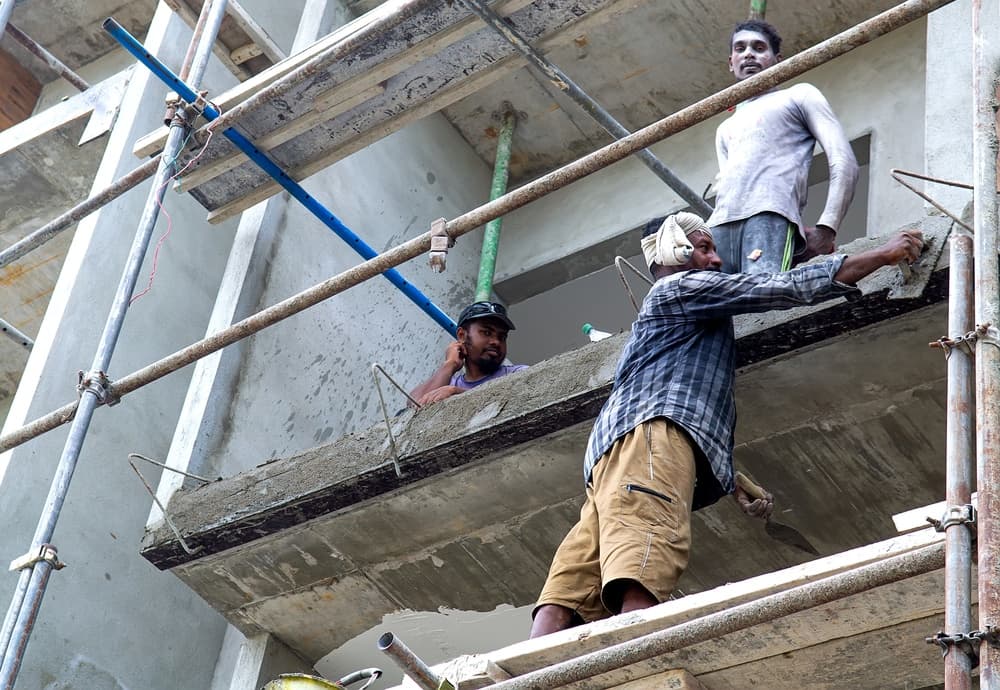
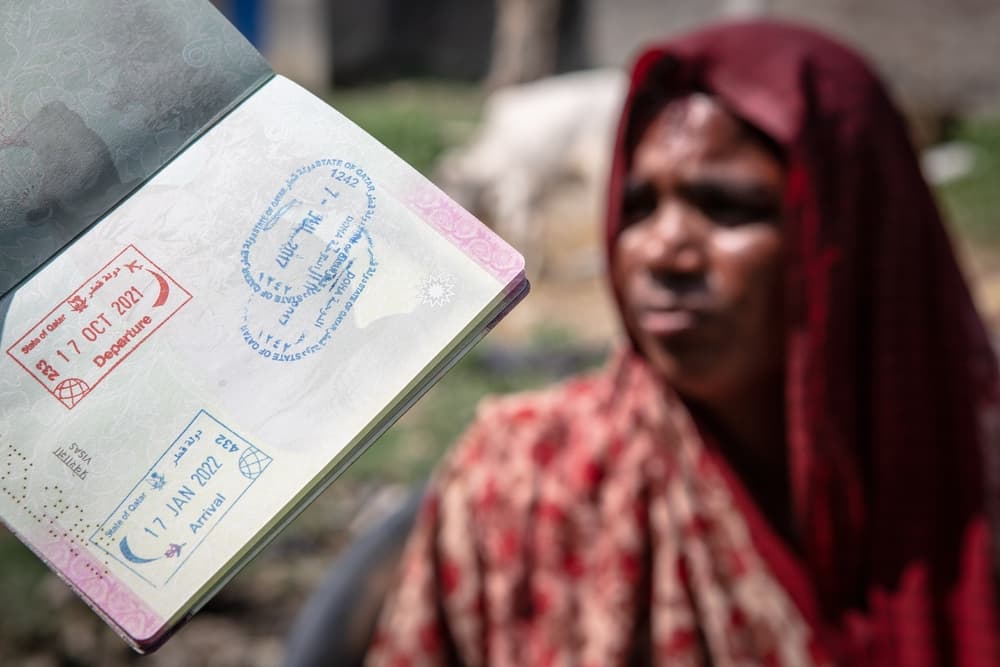
Not only is Nepal facing colossal costs for emergency response and reconstruction, but it is also paying a heavy price for the repatriation and stranding of hundreds of thousands of its migrants from the Persian Gulf region, after years in which its governments encouraged the departure of its workers, creating a substantial dependence on their remittances.
UN studies from 2024 indicate that the migrant population has well exceeded 2.6 million (out of a total population of nearly 30 million), the result of successful policies supporting emigration, further fuelled by the disastrous double earthquake in the spring of 2015. The ‘share’ of remittances in national GDP, which in the decade prior to the introduction of the migration policy in 2008 averaged less than 9 per cent, rose to an average of 24 per cent in the following decade
There have been positive outcomes, both at national and household level. The authorities have implemented policies to channel resources from the diaspora towards productive investments supporting the industrial sector, community development projects and local infrastructure programmes, often co-funded by the state.
However, a per capita GDP of around $1,500 per year still places Nepal amongst the world’s low-income economies, whilst its ranking of 146th out of 193 countries or territories on the Human Development Index highlights persistent challenges in the areas of health, education, employment and income.
Last year’s gross domestic product of $42 billion is essentially based on three sources: remittances accounting for at least 30 per cent (though some, such as the World Bank, estimate their contribution at two-thirds of the wealth generated), tourism (7 per cent) and hydroelectric power (2 per cent), with significant potential for growth but also major environmental uncertainties.
Various factors contribute to poverty and development challenges, including political instability; the mountainous terrain, which makes large-scale agriculture difficult and limits industrial development; geographical isolation; and dependence on its two neighbours, China and India, for the transit of everyday goods, as well as goods essential for infrastructure growth and development.
It is true that the country has enormous potential for the exploitation of its natural resources, starting with its watercourses, but the delicate balance between conservation and growth must take account of climate factors, which make it difficult to pursue models that, until a few years ago, seemed credible or viable.
Time is not on their side, and it is above all the young people – who, it should be remembered, led last September’s anti-establishment uprising – who are calling for opportunities and prospects in the face of poverty that affects, first and foremost, those who come down from the mountains to the valleys and urban centres, but also those who, despite having greater opportunities and being in a more favourable situation, face the risk of intellectual unemployment.
It is significant that, whilst official unemployment stands at 10.5 per cent of the total workforce, around 20.56 per cent of those aged 15–24 are actually affected by it. In a context where 84 per cent of employment is in the informal sector, which lacks adequate social protection or benefits, the local economy struggles to create formal career opportunities with high growth potential for the hundreds of thousands of young people who enter the labour market every year.
It is therefore not surprising that last year an average of 1,500 young Nepalese left every day to seek their fortune abroad, from neighbouring India – with which there is a free transit agreement across the borders – to Malaysia and the Gulf states.