Dhaka (AsiaNews) – Faced with increasingly pressing environmental challenges, ranging from natural disasters caused by climate change to the loss of natural ecosystems – which also affects Bangladesh – Catholic leaders, representatives of indigenous peoples and experts in the field gathered in Dhaka. The aim of the meeting was to reflect on how the various communities of the faithful can become a force for environmental protection and genuine social transformation.
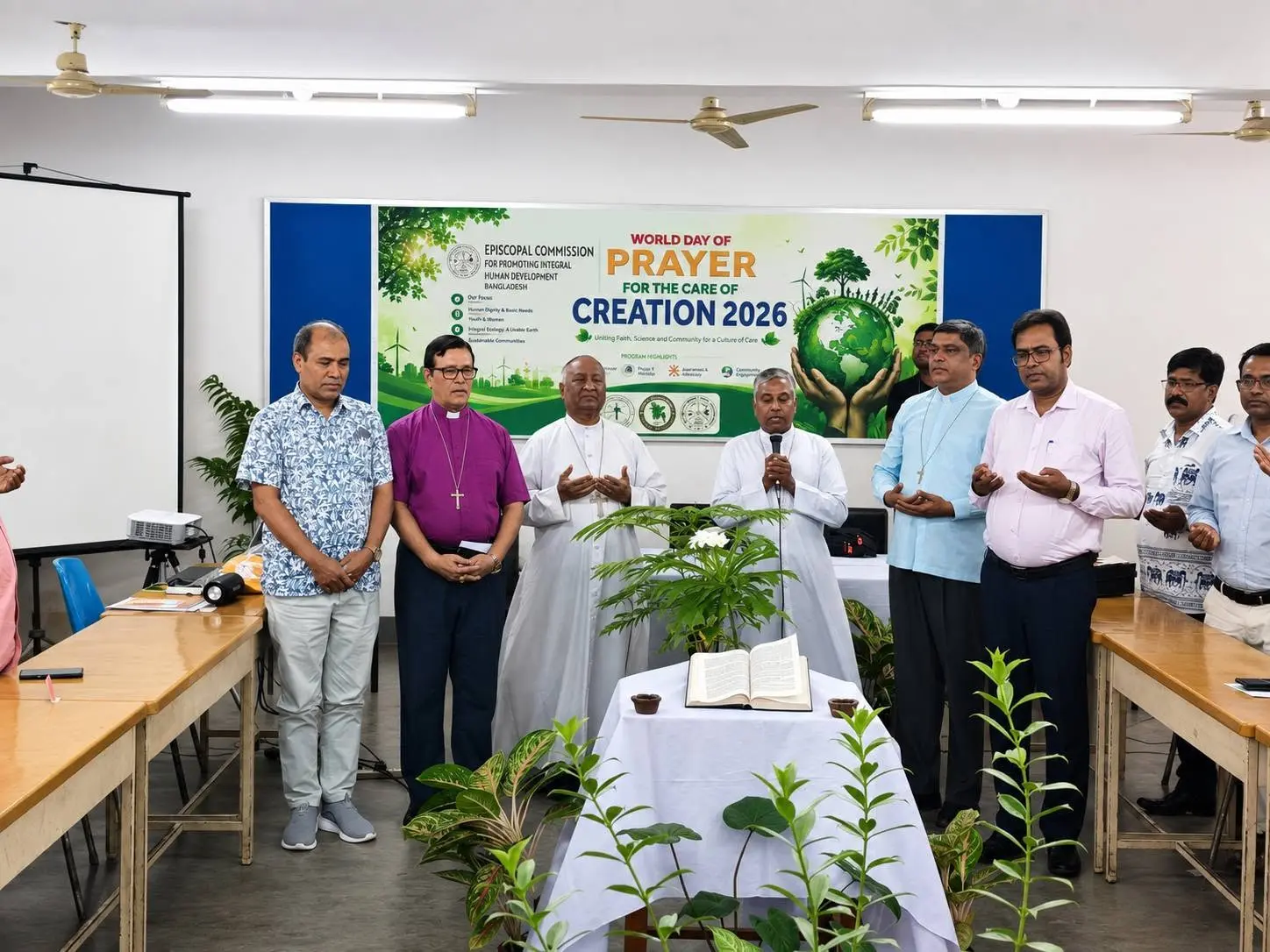
The event, organised by the Episcopal Commission for Justice, Peace and the Integrity of Creation (EC-PIHD), took place on 29 August in the run-up to the 21st World Day of Prayer for the Care and Protection of Creation, which the Church is celebrating today, 1 September. At the conclusion of the proceedings, a “Green Church Declaration” was presented, aimed at promoting environmental responsibility within parishes, schools and Catholic institutions across the country.
The proceedings opened with a moment of prayer led by Fr Liton H. Gomes, CSC, secretary of the EC-PIHD. In his welcome address, Monsignor Gervas Rozario, chairman of the commission, emphasised that care for creation “is not an optional activity for Christians, but an essential aspect of being disciples of Christ and of responsible stewardship. ‘Our responsibility,’ the prelate stressed, ‘towards creation stems directly from our faith’.”
Continuing his reflection, the bishop urged participants to view environmental protection as a “commitment” towards future generations and the “most vulnerable communities” affected by climate change. The seminar brought together church leaders, environmental experts, advocates for indigenous peoples, co-operative organisers and representatives of grassroots communities.
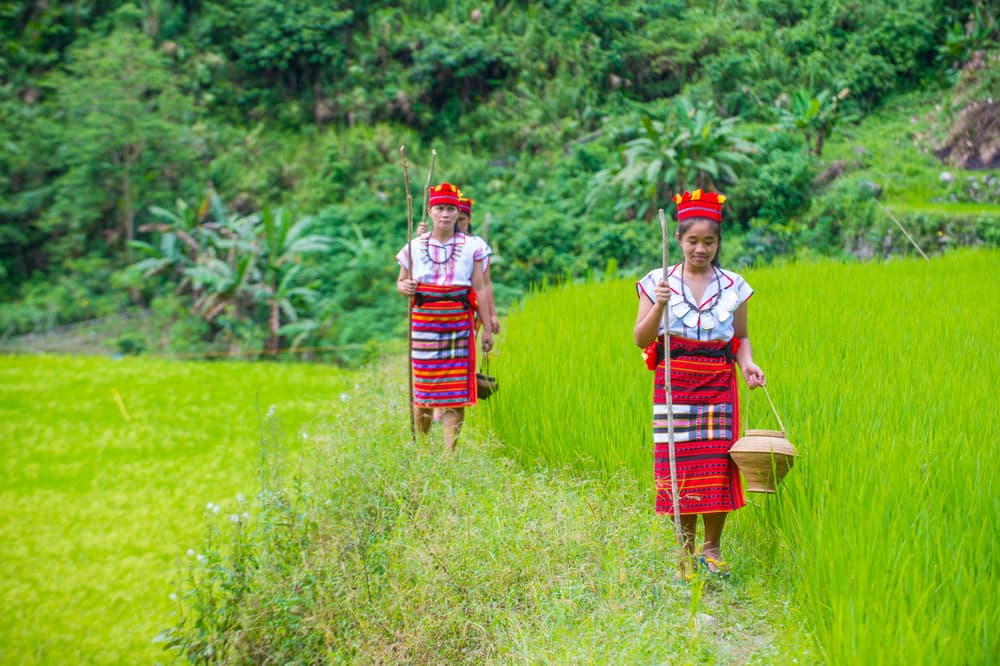
Discussions focused on the territorial rights of indigenous peoples, environmental protection, eco-co-operatives, sustainable communities and the role of churches in responding to the ecological crisis. Participants also emphasised that climate change is not merely an environmental issue, but also a human and social challenge that disproportionately affects the poor, indigenous peoples and rural communities who depend on natural resources for their livelihoods.
Speakers highlighted the need for a coordinated response involving individuals, families, churches, schools, co-operatives, civil society organisations and local communities. They argued that the protection of creation requires “more than mere political changes”, but rather a “transformation of values, lifestyles and our relationship with the natural world”. Finally, drawing on the themes addressed in Pope Francis’s encyclical *Laudato Si’*, several speakers reflected on the interconnection between people and nature.
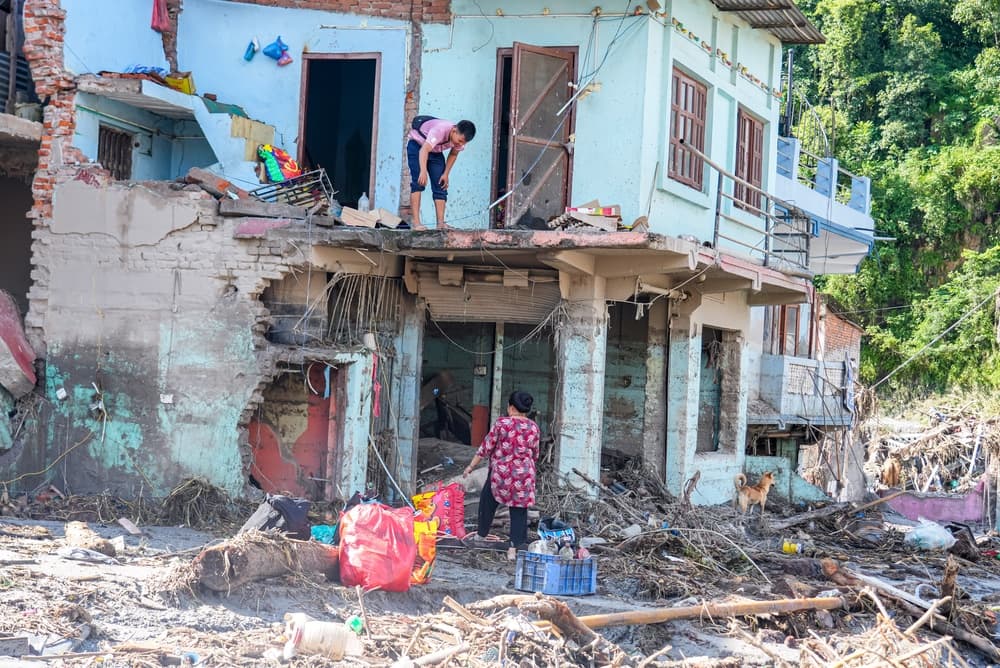
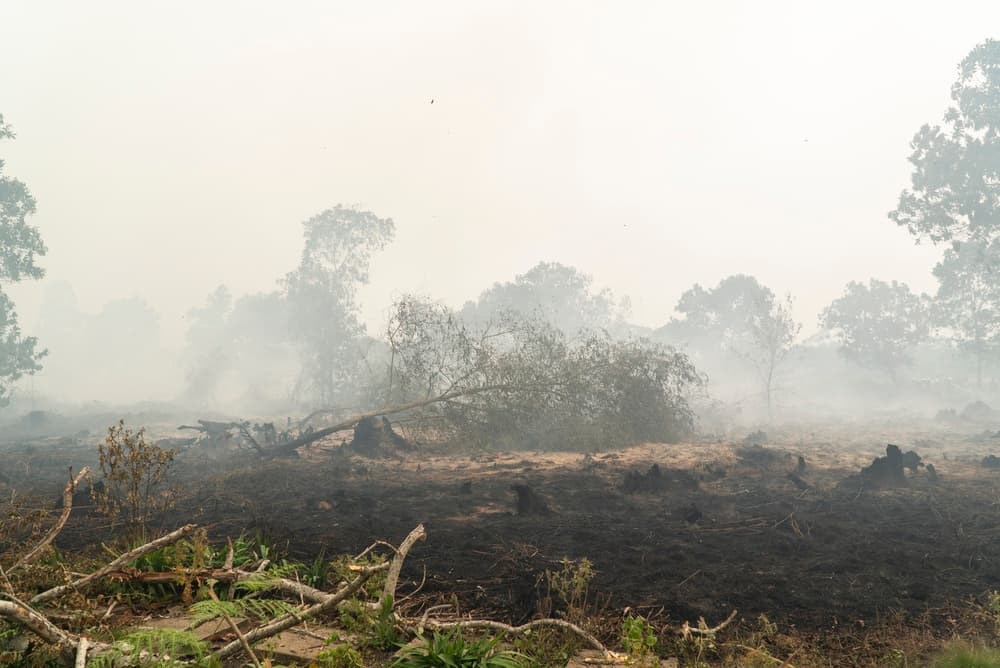
During the proceedings, participants explored in depth how faith, scientific knowledge and community action can help tackle the growing impact of climate change, as seen in the context of recent disasters on the continent. Participants shared the experiences of communities already grappling with environmental degradation, including biodiversity loss, pressure on the land and the increasingly severe effects of extreme weather events. For many of those present, the meeting offered an opportunity to strengthen collaboration and turn concerns into concrete action. “It was a valuable opportunity to learn from one another, strengthen collaboration and renew our shared commitment to protecting creation and caring for Mother Earth,” said a development worker who attended the seminar.
The Church’s environmental commitment comes at a time when Bangladesh is seeking to expand its national reforestation programme. This year, the government announced a plan to plant 250 million trees over the next five years as part of a broader strategy, and Catholic institutions are already contributing to this effort. Schools, universities, parishes and Church organisations have stepped up their tree-planting initiatives in recent years. Caritas Bangladesh, the Church’s social welfare arm, has committed to planting 500,000 trees across its areas of operation, linking environmental protection to community resilience and sustainable development.
The event concluded with reflections from a distinguished group of Christian leaders, who emphasised their shared commitment to environmental protection, transcending denominational divisions. Among them were Bishop Bejoy N. D’Cruze, OMI, President of the Catholic Bishops’ Conference of Bangladesh; Bishop Gervas Rozario, President of the EC-PIHD; and Bishop Paul S. Sarkar of the Church of Bangladesh. With the start of the Season of Creation, the organisers hope that the declaration of a ‘green Church’ will inspire concrete action beyond symbolic commitments. For the participants, protecting creation is not merely ‘an environmental obligation’, but also ‘an expression of faith, justice and solidarity with future generations’.