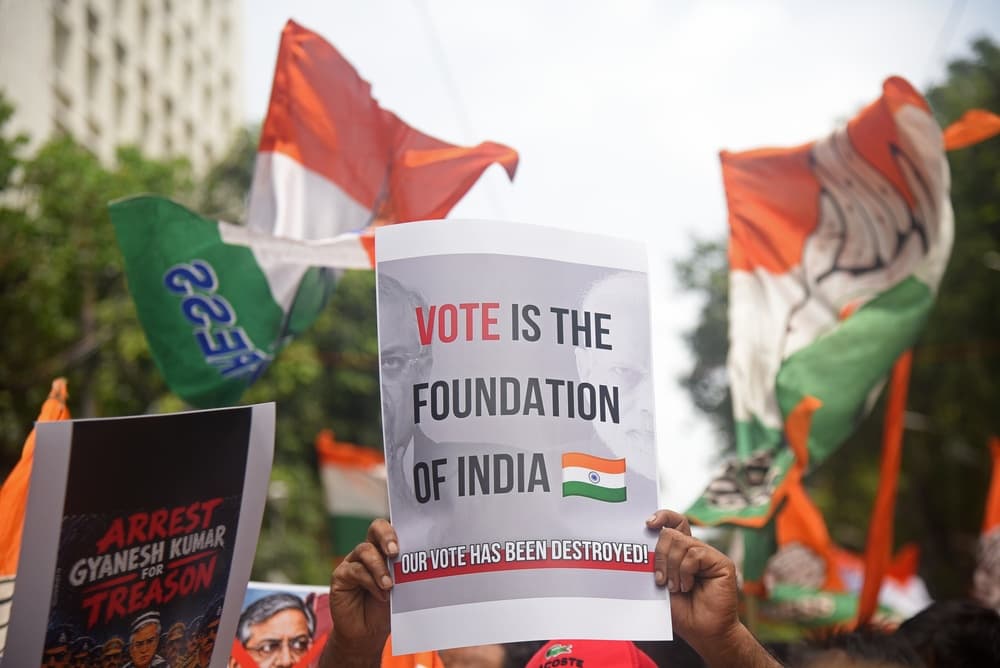
New Delhi (AsiaNews) – Thousands of people are back on the streets of New Delhi today to continue their anti-government protest following clashes with police that left dozens injured.
Defying a ban imposed by the authorities, the students – who have quickly garnered support from a growing segment of the urban population, including the local Church – attempted to reach parliament yesterday for the opening of its Monsoon Session, the main legislative event of the year.
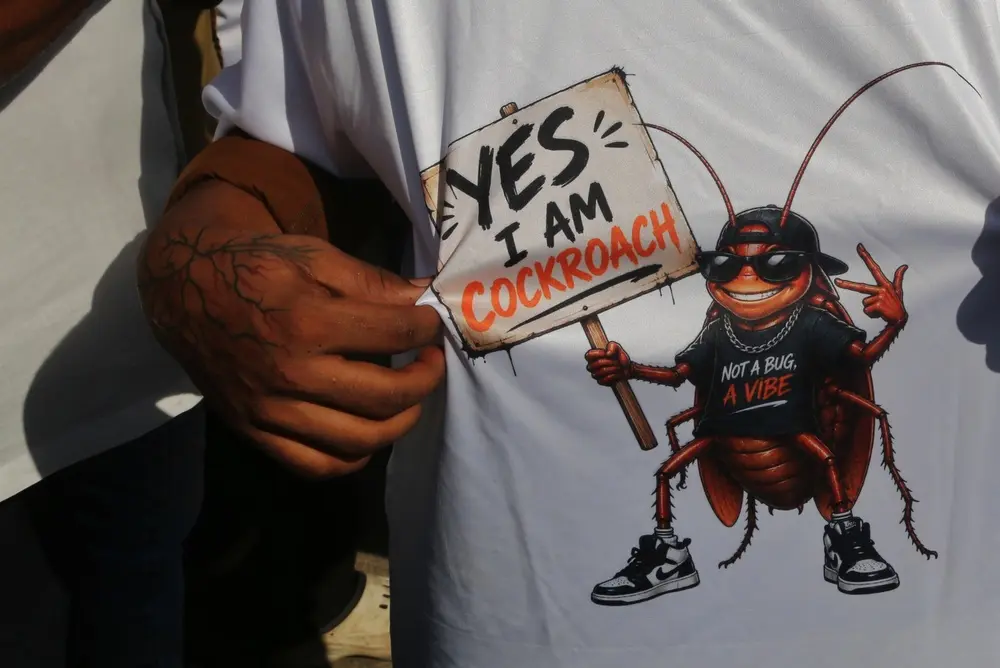
The Cockroach Janta Party (CJP), a youth movement born on social media as political satire, is leading the mobilisation.
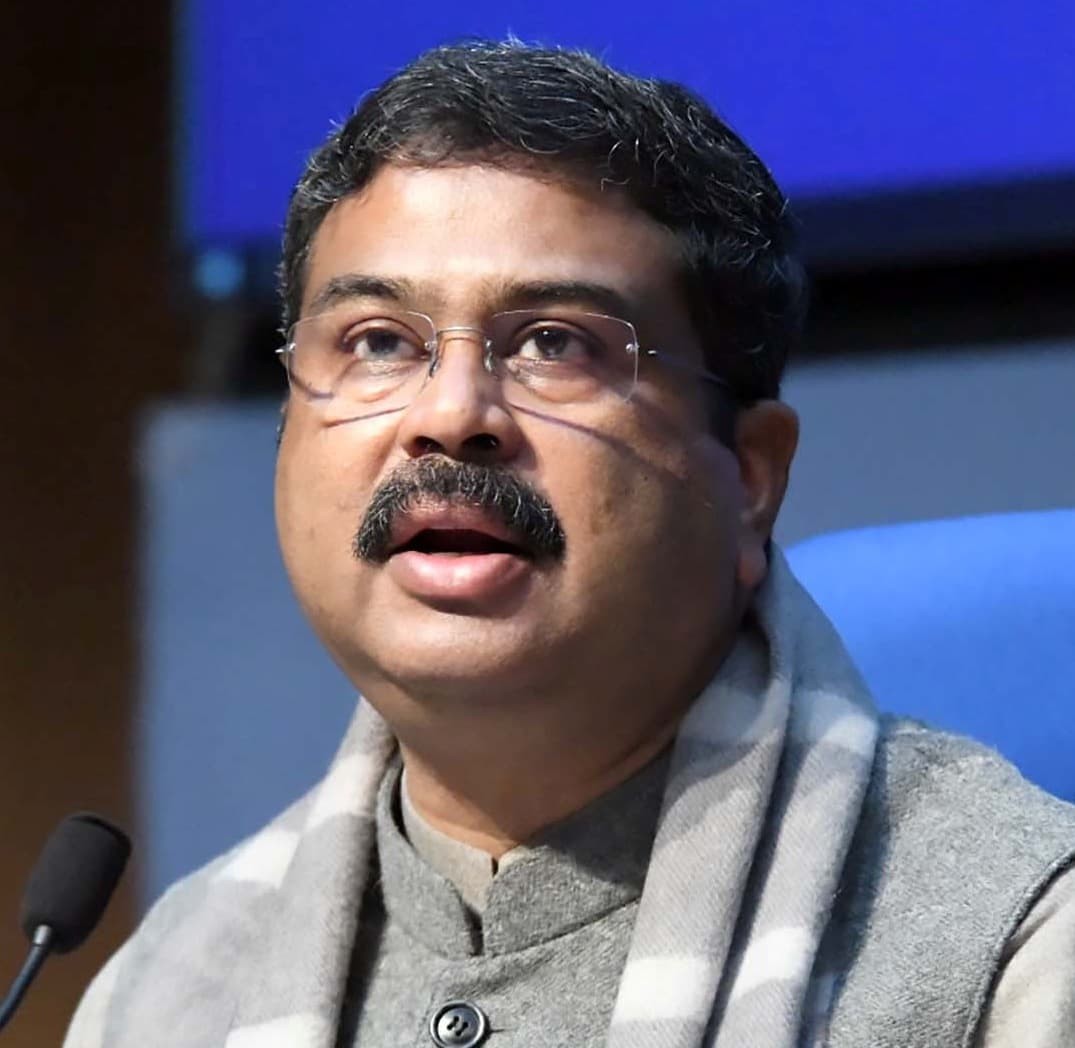
Protesters initially called for the resignation of Education Minister Dharmendra Pradhan, over a scandal related to repeated leaks linked to exams, which millions of young people take every year hoping to secure stable employment in a country long plagued by high youth unemployment.
In recent weeks, demands for a change in the ministry have escalated into a much broader protest, targeting the government led by Prime Minister Narendra Modi and the entire political system, which, in the eyes of many young people, appears increasingly less transparent, meritocratic, and capable of ensuring equal opportunities.
Yesterday's demonstrations
Yesterday, young people packed the streets around Jantar Mantar, a traditional protest site in New Delhi, wearing cockroach masks and waving copies of the Indian Constitution.
When some groups attempted to break through security to march towards parliament (continuing the Sansad Chalo, literally march to parliament), the Rapid Action Force, the anti-riot unit of the Central Reserve Police Force (already accused of violence in a film banned in India), moved in with tear gas and batons, while the government ordered a mobile network shutdown in the entire capital's district.
According to organisers, at least 170 protesters were wounded, while the police claim that over a hundred officers sustained injuries during the clashes.
Human rights activist Harsh Mander said that lawyers from his organisation, Karwan-e-Mohabbat, assisted numerous students, brutally beaten and held in the capital's police stations. The organisation’s lawyers, he explained, spent the night assisting the arrested youths, many of whom were "traumatised and terrified”."
A delegation from the movement then met with the president of the Bharatiya Janata Party (BJP), Prime Minister Modi’s ultranationalist Hindu party, without results.
It was “a waste of time”, said spokesman Ashutosh Ranka, reiterating that the sit-in will continue at least until Minister Pradhan resigns and structural reforms are introduced to the education system.
The reasons for the protests
The Cockroach Janta Party is not, at least for now, a real party, but a movement that has given voice to the discontent of young Indians. After a Supreme Court judge in May referred to unemployed youth as “cockroaches”, the insult became a symbol of belonging.
The online movement was started, at first almost as a joke, by Abhijeet Dipke, a communications consultant with a degree from Boston University and a resident of the United States. The CJP quickly amassed millions of supporters on social media, and the government blocked its Twitter account.
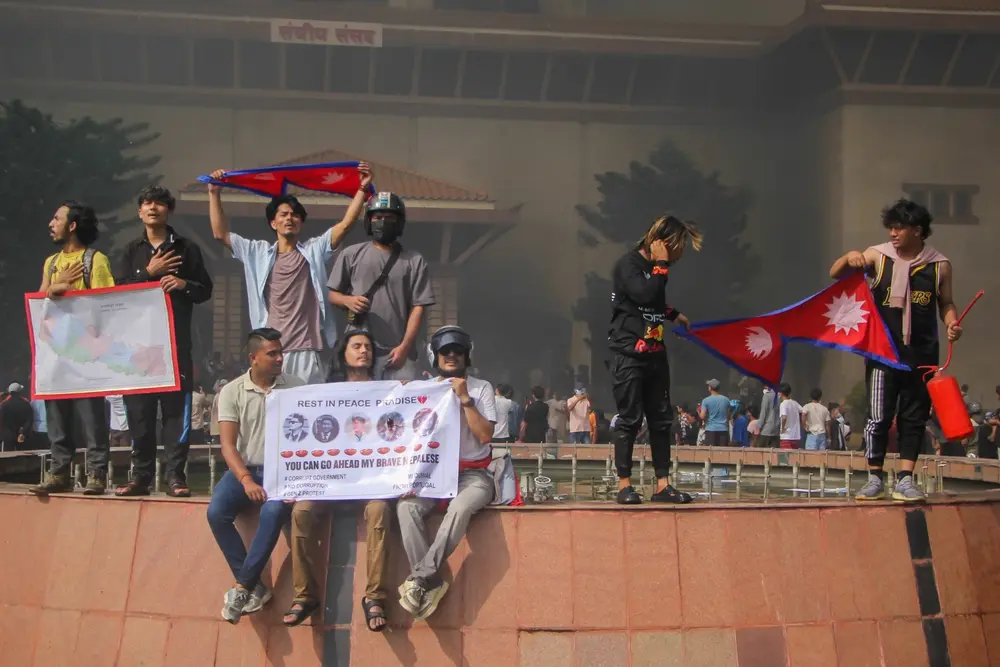
Dipke eventually returned to India, where he launched street protests, gathering growing support in recent weeks, similar to other youth protests in South Asia that have, in recent years, led to changes in government in Sri Lanka, Bangladesh, and Nepal.
In all these cases, members of Generation Z, backed by a large segment of the population, demanded an end to corruption and nepotism within state institutions.
In India, too, protests were sparked by yet another leak of information during an exam. The most recent scandal involved National Eligibility cum Entrance Test (Undergraduate) or NEET (UG), the national medical school entrance exam, which attracts more than two million applicants each year.
The support of Sonam Wangchuk
The protests spread further across the country thanks to Sonam Wangchuk, a well-known engineer and environmental activist from Ladakh, who joined the students on 28 June, going on an indefinite hunger strike.
Wangchuk announced that he would only end his fast if the government took political responsibility for the crisis in the education system or if parliament formally committed to addressing the issue.
This is not the 59-year-old's first battle with the Narendra Modi government. Back in 2024, he led a long march from Ladakh to New Delhi and undertook two hunger strikes to demand greater constitutional protections for the Himalayan region and development that would not compromise its fragile environmental balance.
His participation gave the student protests a boost in credibility, attracting the support of opposition parties and several celebrities.
This has come with a price; in fact, his health has deteriorated in recent days. After nearly three weeks of fasting on only water and salt, which saw him lose nine kilos, Wangchuk was forcibly taken by police last Saturday to Safdarjung Hospital in Delhi, where he is still fasting.
His wife, Gitanjali Angmo, claims that the activist is being held against his will to prevent him from returning to the protests.
Yesterday, the Delhi High Court refused to hear an urgent appeal seeking to declare his transfer unlawful, merely ordering the hospital to submit a detailed report on his health.
How is this protest different?
Unlike other protests the government successfully delegitimised in the past by presenting them as expressions of specific minorities (from the protests against the citizenship law, described as initiatives of the Muslim community, to those by farmers, accused of Sikh separatist sympathies), this time the main players are mostly students and young job seekers from very diverse social, religious, and geographical backgrounds.
This very heterogeneity makes it harder to associate the movement to a single political group or identity.
Organisers also insist on the strictly peaceful nature of their actions, urging participants to avoid any act that might provide the government with a pretext to label their protest as violent or anti-national.
Several participants explained that their decision to take to the streets also stems from the belief that traditional democratic venues are no longer capable of providing them with answers.
The very birth of the Cockroach Janta Party reflects, according to many young people, a growing distrust of the judiciary, the media, and traditional political parties, perceived as incapable of addressing a crisis affecting millions of young people.
The Church and the opposition
Jesuit Father George Mutholil called on young Indian Christians to take part in public debate with “a sense of social responsibility" to contribute to a more equitable, just, and fraternal nation.
“Is there room for young Indian Christians also becoming involved in creative protests and in the public debate on justice and work?" the clergyman asked, touching again upon some of the issues at the heart of the mobilisation.
Rahul Gandhi, leader of the Indian National Congress, the main opposition party, took the opportunity to attack the BJP government, calling the students' demands "legitimate”, and accusing Modi of being the “most youth-hostile Prime Minister in India's history."
For the government, this is an unprecedented situation, to which it directly contributed, according to some local commentators, by cracking down on satire on social media followed by harsh police repression.
At present, it is hard to imagine that Education Minister Pradhan's resignation will be enough to quell the unrest.