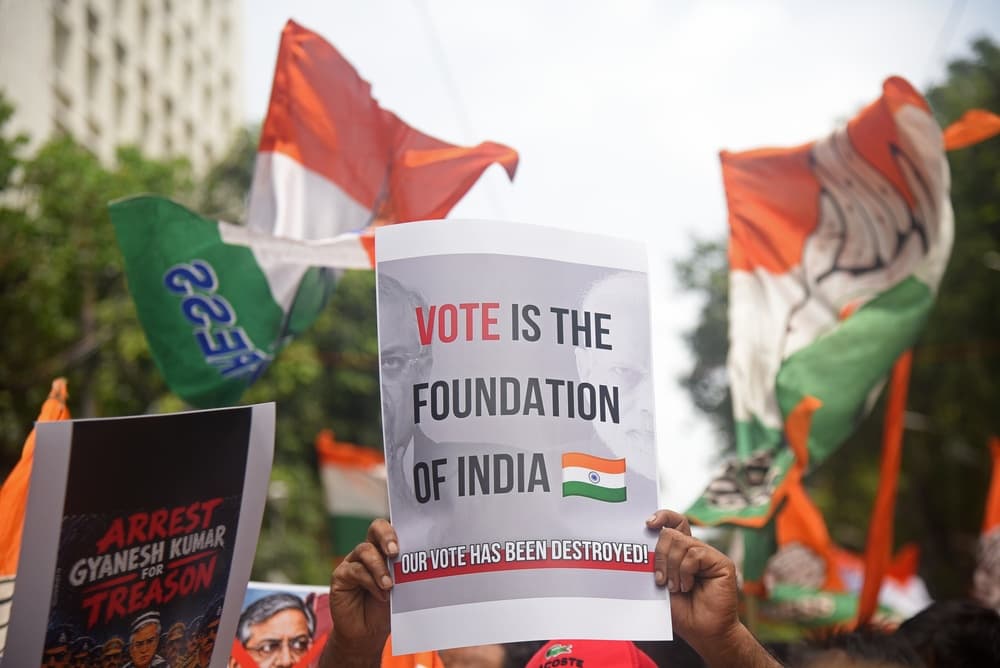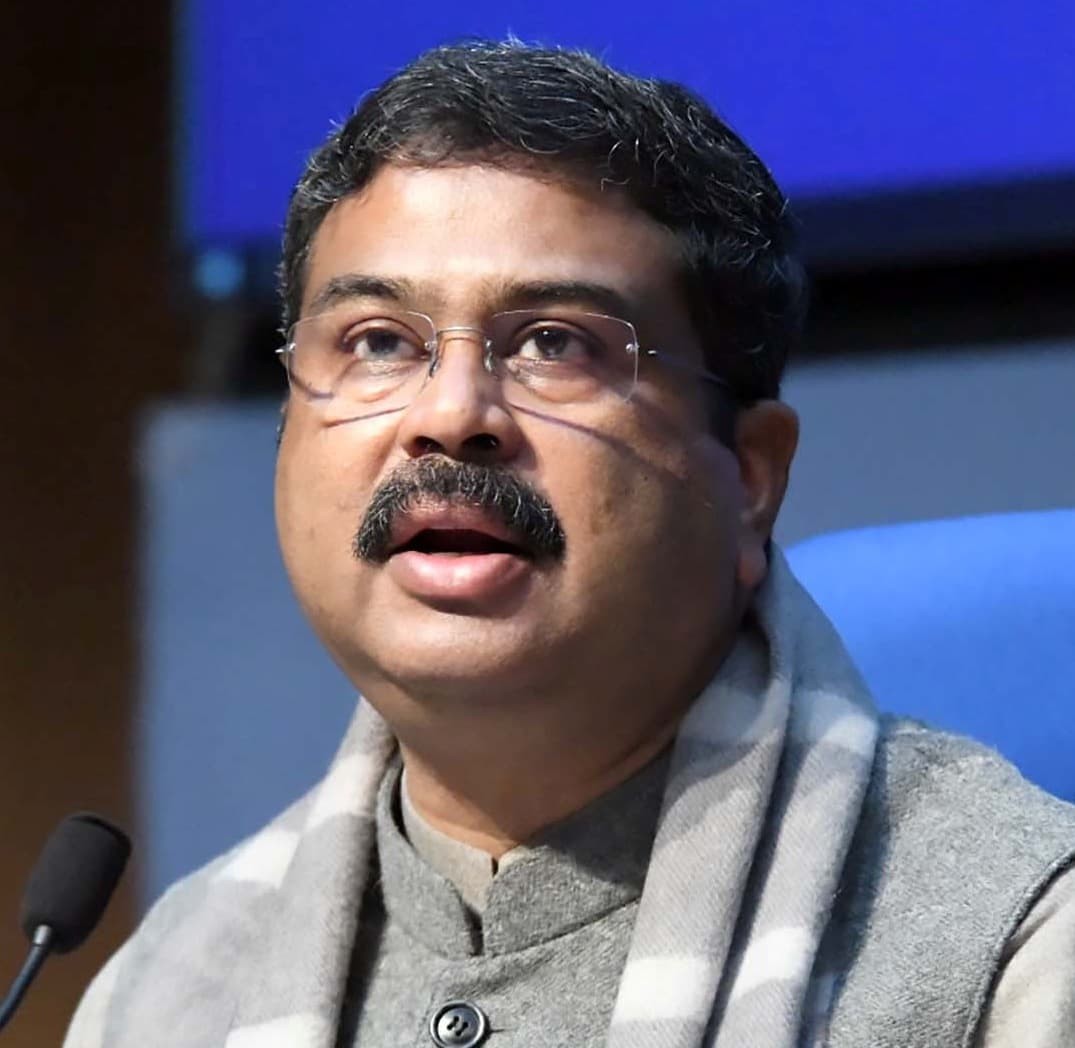
New Delhi (AsiaNews) – Dharmendra Pradhan, India’s Minister of Education, resigned today following days of massive student protests in Delhi, which had been calling for him to step down following leaks in public examinations. The announcement represents a predictable development in the demonstrations led by the Cockroach Janta Party (CJP), which have garnered widespread support, including from the local church. Pradhan stated that he had taken the decision to resign with the students’ future and career prospects in mind. He tendered his resignation to Prime Minister Modi.
The minister reflected on the “four decades” he has dedicated to students, teachers and educational reform. “I have always firmly believed that a strong, inclusive and forward-looking education system is the foundation of a strong nation,” he said. After expressing his “gratitude” to Prime Minister Narendra Modi, Pradhan referred to the irregularities in the public examination held on 3 May 2026. In a letter published on X, he added: “The energy of India’s youth is the true strength of this nation. I am firmly determined not to allow the country’s young people to become trapped in a web of confusion.”
The news comes the day after spokespeople for the Cockroach Janta Party (CJP), the group led by Abhijeet Dipke, met with Ministers J.P. Nadda and Jitendra Singh. Following the meeting, the CJP had stated that the government had asked for a day to decide on Dharmendra Pradhan’s resignation. This came after activist Sonam Wangchuk ended his hunger strike, which had lasted a total of 26 days in solidarity with the protests.
Abhijeet Dipke – who founded the ‘Cockroach’ movement – received a phone call regarding the resignation. Upon hearing the news, celebrations broke out. The news reached the protest site at Jantar Mantar, where those present could not contain their joy, with the leader of the Cockroach Janta Party (CJP) visibly relieved. “We’ve done it. Dharmendra Pradhan has resigned,” he told the crowd. “This is a great victory. It shows that the country is governed by the Constitution. This is just the beginning.”
Dominic Savio Fernandes, auxiliary bishop of the Archdiocese of Mumbai, told AsiaNews: “It is a great victory for the janata — the people, that group of ‘cockroaches’. However, it remains to be seen whether the Prime Minister has accepted his resignation. Indeed, if he were to reject it, he would continue to hold the post of Minister of Education.
I think the Prime Minister should not reject them, but accept them.” “Given the situation in the country, the education system has completely collapsed,” said Fernandes. “I believe the state should not take any action against the students who protested. Instead, it should take action against the police officers who used excessive force and harassed the girls.”
Fr Suresh Mathew, a Capuchin and president of the Indian Catholic Press Association (ICPA), also commented on the news to AsiaNews: “Dharmendra Pradhan’s resignation as Union Minister of Education marks a surprising turning point in the career of a politician who once rose to prominence by riding the wave of student and youth mobilisation”.
“His departure, which came amidst nationwide protests against exam irregularities, also highlights a deeper political reality: the Bharatiya Janata Party and Prime Minister Narendra Modi appear to have underestimated the power, impatience and political awareness of Generation Z,” he added. “The irony is hard to ignore. A leader whose political identity was shaped by the energy of student protests is now forced to confront a generation that is no longer willing to remain silent when its educational and professional future is under threat.”
“Generation Z’s protests have shown that young Indians are capable of organising themselves rapidly, mobilising beyond traditional political structures and transforming digital frustration into political pressure on the streets. Their anger is not simply about an exam or a minister. It reflects a wider anxiety linked to public sector recruitment exams, leaks of exam papers, unemployment, uncertainty and the credibility of the institutions that determine the future of millions of people,” said Fr Mathew.