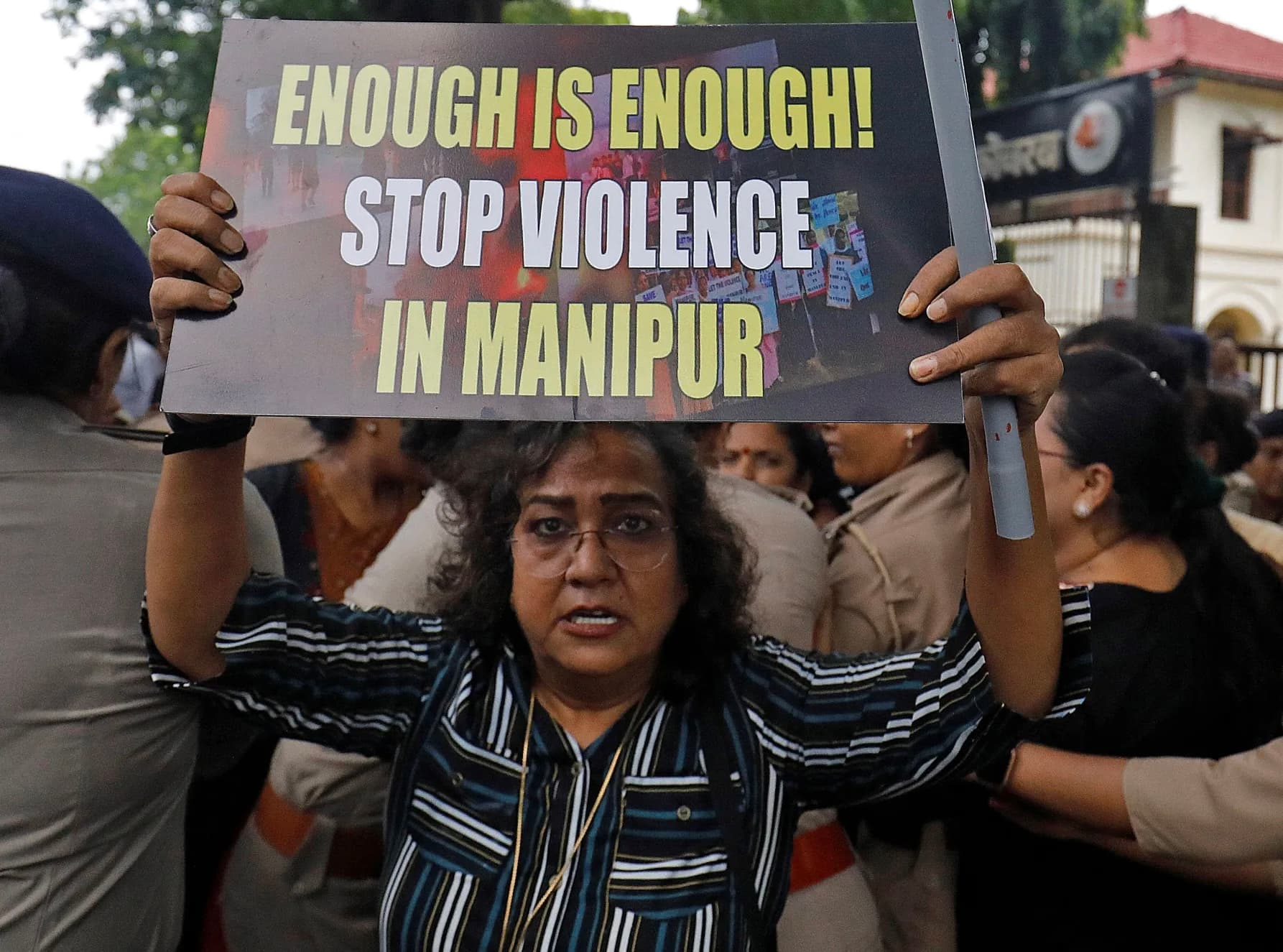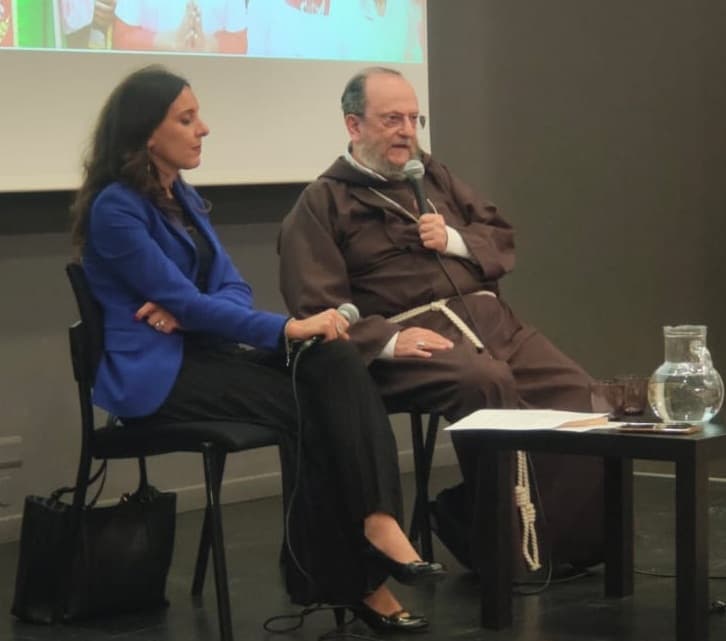
Imphal (AsiaNews) – Order has been restored in Manipur following a large-scale intervention by India’s military; however, the wounds caused by the recent clashes between the mainly Hindu Meiteis ethnic majority and the mostly Christian tribal communities are deep, this according to Mgr Thomas Menamparampil, Archbishop Emeritus of Guwahati, a leading Catholic figure in north-eastern India.
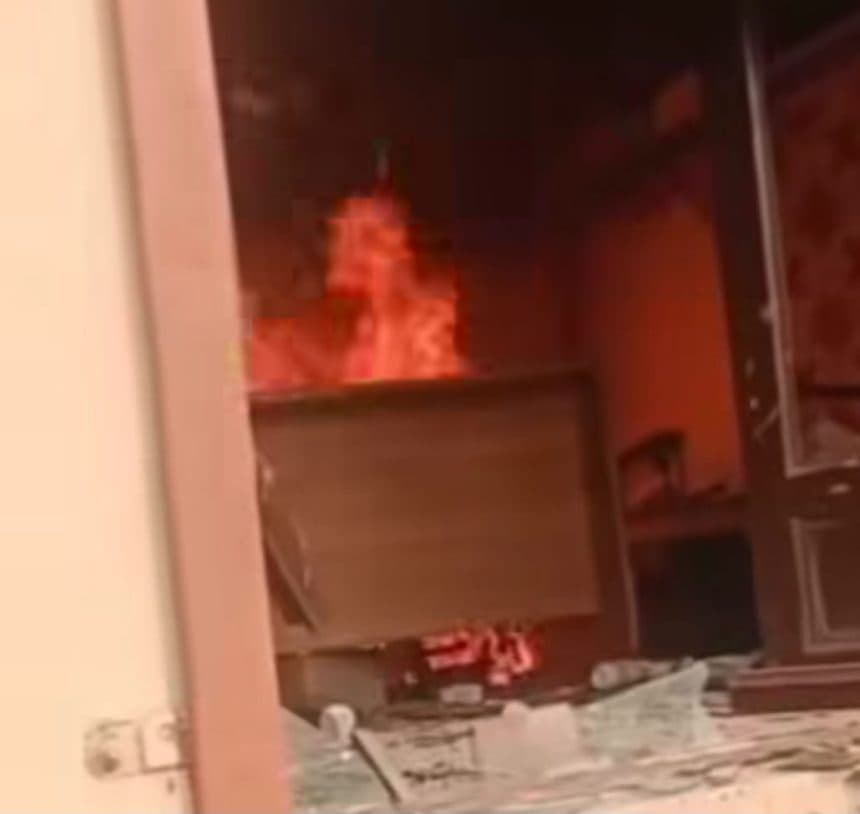
In the state capital, Imphal, it is time to assess the damage wrought by the violence, including the many Catholic churches and convents devastated, not to mention the displacement of thousands of people forced to flee their homes.
For its part, the Supreme Court of India heard a petition today calling for the creation of a Special Investigation Team (SIT) to find out what happened.
“Our immediate target is protection, rescue and rehabilitation of people," the top court said, asking both the Union and state governments to give details of relief camps. The displaced “must be brought back to their homes. Religious places must also be protected," it demanded.
With 54 killed and 13,000 rescued from conflict situations, Manipur moves on to greater security after several days of intense anxiety. More than 10,000 armed forces had been called to impose order, and the authorities claim that the violence-hit areas are under “firm control” as of now. Uncertainty still prevails in the Churachandpur and other Kuki-Zo inhabited areas in different parts of Manipur.
What began as an inter-ethnic clash hastily developed an inter-religious dimension in the polarized atmosphere that the majoritarian Hindutva regime at the national level has created. Several Kuki churches were destroyed or damaged, and religious personnel harassed.
The immediate cause for tension was the demand of the Hindu Meitei community for tribal status, which would have enabled them not only to enjoy tribal privileges, but also move into territories that are reserved for the tribals. The Meiteis being the dominant community of Manipur, if they were given tribal privileges in addition, tribal communities would have been seriously disadvantaged, losing out greatly in competition.
Of late, the members of the Legislative Assembly had approved the idea of tribal status for the Hindu Meiteis and the High Court had asked the state government to send a recommendation to the Central Government to get the proposal approved. Put this development in relationship to the Hindutva demand that the tribal status be taken away from Christian tribal communities. Most tribal people in Manipur are Christians. A sense of fear united the entire Christian community belonging to various tribes into a single body.
There was a “Tribal Solidarity March” which brought them in confrontation with the Meitei majority. The clashes that followed and loss of life and property have been reported. The activists among majority community seems to have the freedom to wield weapons to harass and humiliate minority groups and Christians. Christian institutions work under great anxiety.
With “shoot at sight” orders, calm has been restored for a while. But long-term strategies will need to be found for restoring confidence among tribal communities. The Kuki-Zo groups particularly feel anxious, since the areas they occupy has been declared ‘forest land’ of late, though they had been in possession of it for generations.
This is not to say that the Hindu Meitei community does not have reasons to be anxious about their future. Though they constitute 53-60% of the state’s population, confined to the Imphal Valley, they occupy only 10-12% of the state. Unless they move on from agriculture to other types of occupations, their economy will not be viable.
What is needed most is intercommunity collaboration in border states like Manipur rather than conflict and rivalry. Confidence-building measures should be adopted. No community must be made to feel hoodwinked or bypassed. Existing privileges should not be taken away from weaker communities. At the same time, there should be a common effort towards general collaboration so that the majority community too will continue to prosper as in times past. Dialogue for immediate solutions and creative planning of the economy for shared wellbeing are the only path forward that we can suggest.
* Archbishop Emeritus of Guwahati
(Nirmala Carvalho contributed to this article)