Lahore (AsiaNews) – The arrest of dozens of students and activists during Kashmir solidarity protests in several Pakistani cities has sparked protests from human rights organisations and student groups, who accuse the authorities of restricting freedom of expression and the right to peaceful assembly.
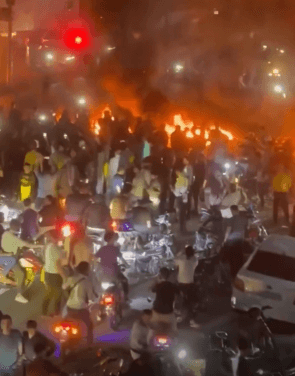
The largest demonstration took place in front of the Lahore Press Club, where students, workers, lawyers, and members of progressive political organisations gathered to express solidarity with the Kashmiri people following the recent violence in Azad Jammu and Kashmir (AJK), the Pakistan-administered part of the region.
The goal, organisers explained, was to demand greater accountability from institutions, democratic reforms, and respect for the rights of Kashmiri citizens. However, before the rally could begin, Punjab provincial police detained dozens of participants, transferring them to the Qala Gujjar Singh police station.
Among those arrested were Farooq Tariq, president of the Haqooq-e-Khalq party and a longtime labour rights activist, along with several student leaders and lawyers.
The protests follow violent clashes in Rawalakot during the first round of elections for the Azad Jammu and Kashmir Legislative Assembly.
At the heart of the protests is the allocation of 12 seats reserved for refugees from Indian-administered Kashmir, a measure enshrined in the Pakistani constitution but which, according to protesters, reduces the political representation of Kashmiri residents.
The authorities, however, maintain that these seats are an established and legitimate part of the electoral system.
Wider unrest broke out after security forces clashed with supporters of the Joint Awami Action Committee (JAAC), an organisation banned by the authorities.
Protesters accuse the police of using excessive force, while authorities claim that protesters initiated the violence against officers.
In Karachi, authorities enforced Section 144 of the Criminal Procedure Code, which bans public gatherings, while roadblocks reportedly prevented many protesters from reaching protest sites. In Rawalpindi, however, demonstrations took place under a heavy police presence.
The Progressive Students Collective, an independent, progressive student organisation with offices in several universities across the country, condemned the arrests and called for the immediate release of all those taken into custody.
In a statement, the movement denounced what it calls “an alarming attempt to suppress legitimate political dissent,” demanding the release of its president, Ali Abdullah Khan, Secretary General Eqbal Khan, former leaders Ali Raza and Haris Azad, as well as other detained activists.
Haider Butt, a lawyer with the Lahore High Court Bar Association, slammed on social media the arrest of his brother Sher Ali, along with other lawyers, calling on the legal community and civil society groups to provide legal assistance to the detainees.
Several human rights organisations have also called for an independent inquiry into both the violence in Rawalakot and the handling of solidarity demonstrations across Pakistan.
“Peaceful assembly and freedom of expression are fundamental rights that must be protected in every democratic society,” said Fr Shahzad Arshad, director of Catholic Commission for Justice and Peace.
“The detention of students, lawyers, women activists, and political workers for participating in peaceful demonstrations is deeply concerning and risks undermining public confidence in democratic institutions,” he added.
The clergyman called for the immediate release of all those detained solely for exercising their right to peaceful protest and called on the authorities to ensure that law enforcement agencies respect the protections provided by the Pakistani constitution and the country's international human rights obligations.
“Whether citizens are expressing solidarity with Kashmir or advocating for democratic reforms, the state's responsibility is to facilitate peaceful expression rather than suppress it,” he noted.