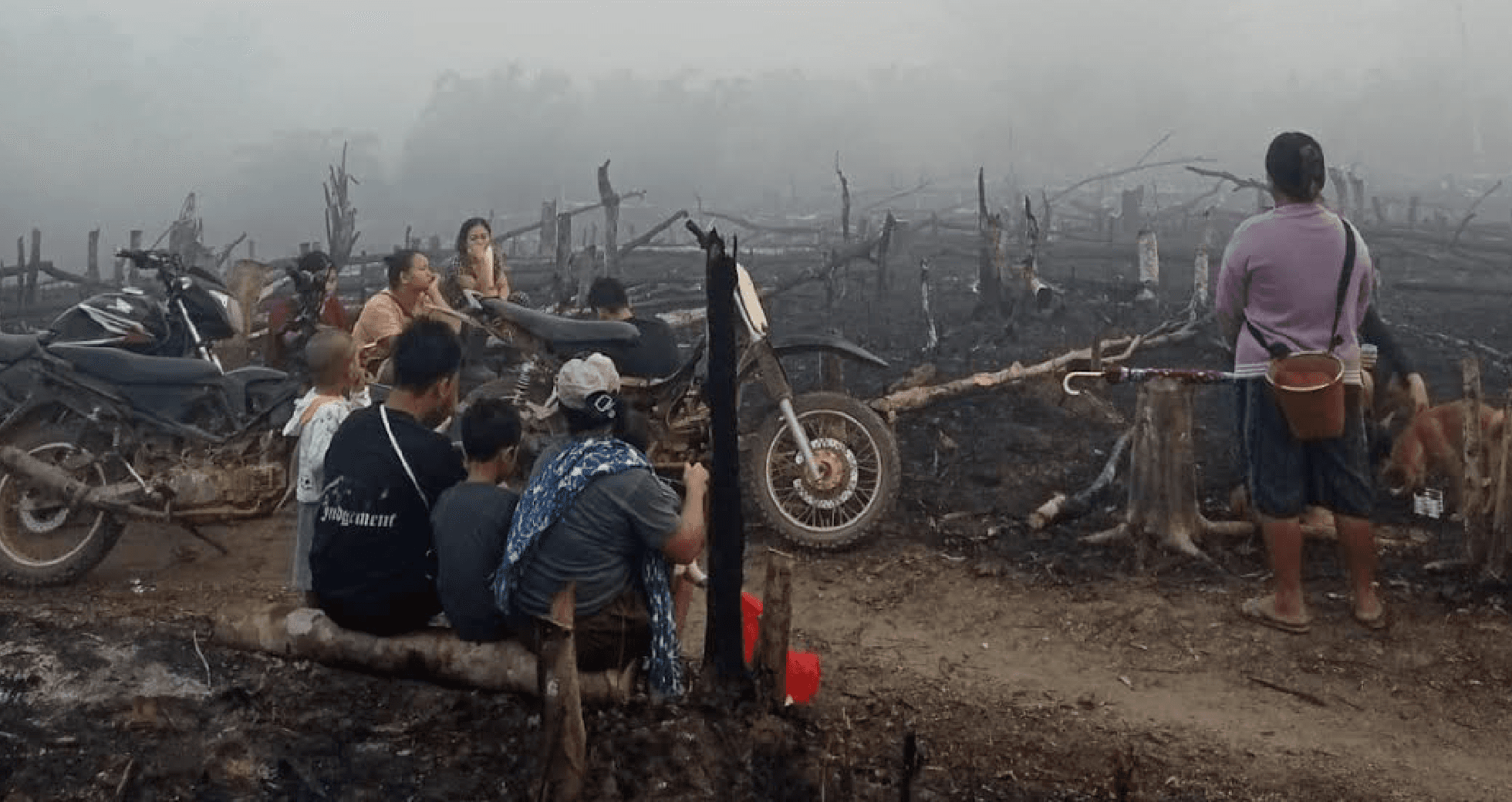
Jakarta (AsiaNews) – Kalimantan fires threaten Dayak communities: ‘We can no longer make a living.” These words, spoken through tears by a Dayak woman in West Kalimantan, capture the human cost of Indonesia’s worsening forest and land fires.
For communities living near the forests of Ketapang Regency, the fires are destroying not only trees and farmland but also the sources of food and income on which they depend.
Mahalini, a teacher and member of a Catholic parish in the Diocese of Ketapang, spoke to AsiaNews by telephone from the affected area. Her real name has been withheld for security reasons and because of the sensitivity of the situation.
“We, the local Dayak people, are suffering greatly because the forests near our settlements are still burning. The fires are continuing. Those of us who depend on the forest and farming can no longer make a living,” she said.
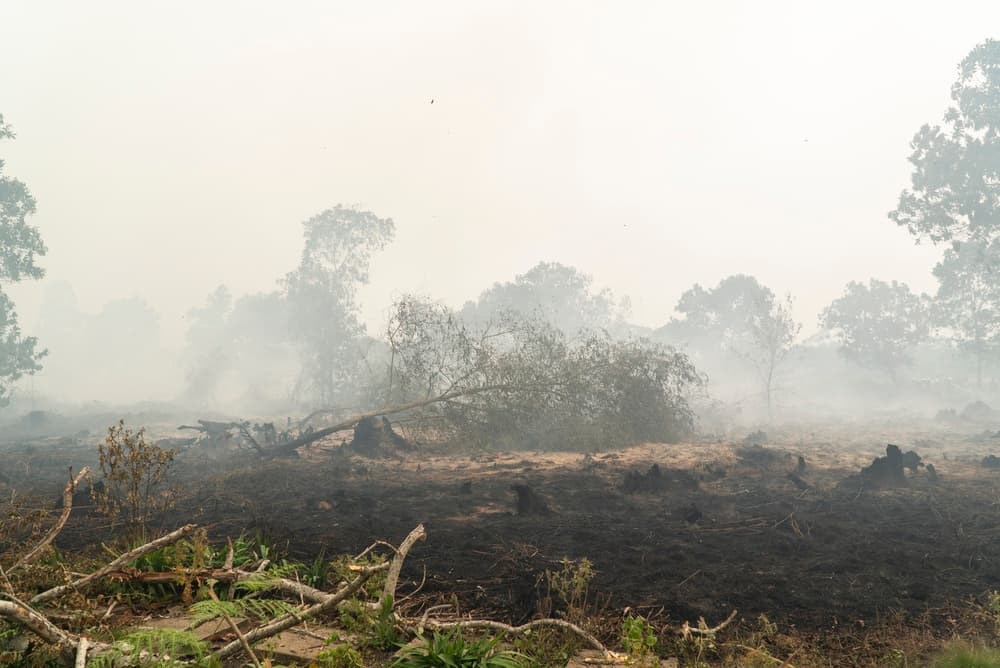
The situation has been aggravated by a prolonged dry season. According to Mahalini, farmers and traditional cultivators are finding it increasingly difficult to reach their fields because some access roads have been affected by the fires.
“The smoke has become increasingly thick. We farmers can hardly go to our rice fields and farmland because the roads leading there have also been burned,” she said, her voice breaking.
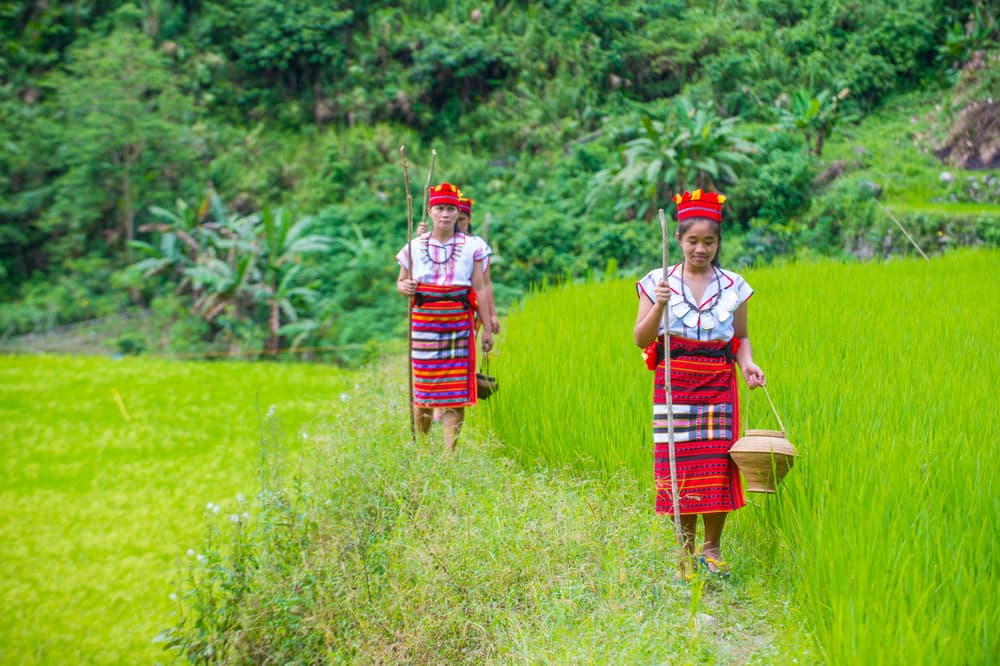
For the Dayak people, the forest is much more than an economic resource. It is part of their ancestral territory, a source of food and livelihood, and an essential element of their social and cultural life. When the forest burns, therefore, the damage goes far beyond the loss of vegetation.
Thousands of hotspots
West Kalimantan has been among the areas hardest hit by the current wave of forest and land fires. On 22 August, the Indonesian government reported thousands of hotspots across the province, with concentrations in Ketapang, Kubu Raya, North Kayong, Sanggau, Sintang, and Sambas.
Government monitoring at the time recorded 198 high-confidence hotspots and more than 3,500 medium- and low-confidence hotspots in West Kalimantan.
Earlier in the month, the provincial meteorological agency recorded 3,242 hotspots across all 14 regencies of West Kalimantan, including Ketapang.
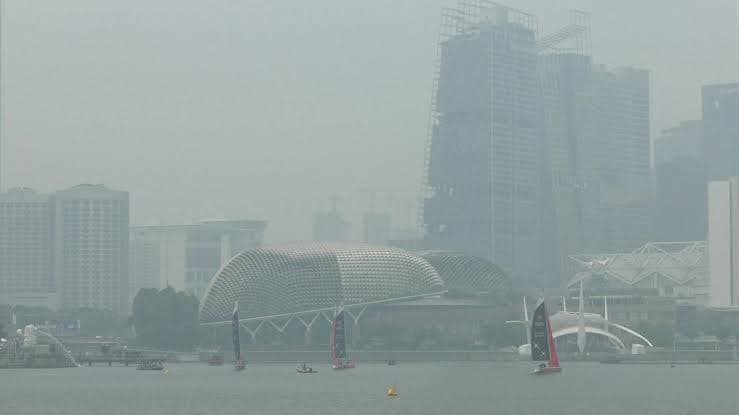
The scale of the fires has raised concerns over public health, livelihoods and the environment. Thick haze has affected daily activities, while prolonged exposure to smoke increases the risk of respiratory problems.
Indonesia has also been battling fires on Sumatra and other islands. According to the Forestry Ministry, more than 202,000 hectares of land burned nationwide between January and July 2026.
The government has increased firefighting efforts, including aerial operations and investigations into companies whose concession areas have been affected by fires.
Indonesia welcomes foreign help to fight forest fires
Jakarta has accepted international assistance to fight forest and land fires that continue to affect several regions, particularly Kalimantan. The Ministry of Transportation has issued 35 special permits for 36 foreign helicopters from eight countries – Australia, Russia, the United States, Ukraine, New Zealand, Laos, Vietnam and Canada – to support firefighting operations.
Japan is also preparing to deploy its Self-Defence Forces. The mission includes the amphibious transport ship JS Kunisaki, three CH-47 Chinook helicopters and about 600 personnel to assist Indonesia in tackling the fires.
Malaysia has offered additional support through cloud-seeding operations, particularly along the Indonesia-Malaysia border, to encourage rainfall and reduce the spread of fires and haze.
Ecological conversion and common home
For environmental observers and local communities, however, the crisis cannot be reduced to the question of how to extinguish the flames.
Forest and land fires are linked to prolonged drought, climate change, peatland degradation, land management, agricultural practices, economic interests, weak monitoring, and law enforcement.
Victor Emanuel, a lecturer at the Kapuas Sintang University in West Kalimantan, argues that the crisis should also be understood as a moral question. “Ecological conversion means a change of heart, a change in the way we think, a change in our behaviour and a change in our lifestyle,” he wrote.
Ecological conversion does not mean rejecting economic development, he stressed. Development is necessary, but it must respect environmental sustainability, local communities, the law, ethics, and the rights of future generations.
For the Dayak people, these questions are particularly urgent.
The Catholic perspective on ecological conversion echoes the call to care for creation and for the most vulnerable people who suffer first from environmental destruction.
The fires reveal the consequences of a relationship with nature based on extraction and exploitation rather than care and responsibility.
Ecological conversion therefore means moving from taking to caring, from exploitation to sustainability, and from greed to moderation.
The smoke covering villages, burning forests, polluted rivers, exhausted soil, and prolonged drought are not merely environmental statistics. They are signs of a deeper crisis in the way human beings relate to the earth.
The pain of indigenous communities
The Dayak community needs the fires to stop, the forests to recover, and access to its fields to be restored. “We ask for prayers that the environmental conditions, which have already been severely damaged by the forest and land fires, can soon recover,” Mahalini said.
Her tears from a smoke-filled village in Ketapang Regency offer a simple but profound reminder: when the forest burns, it is not only nature that suffers. People who have lived with the forest for generations suffer with it.