Bangkok (AsiaNews) – A Laotian activist has gone missing in Thailand shortly before his scheduled asylum interview with the United Nations High Commissioner for Refugees (UNHCR).
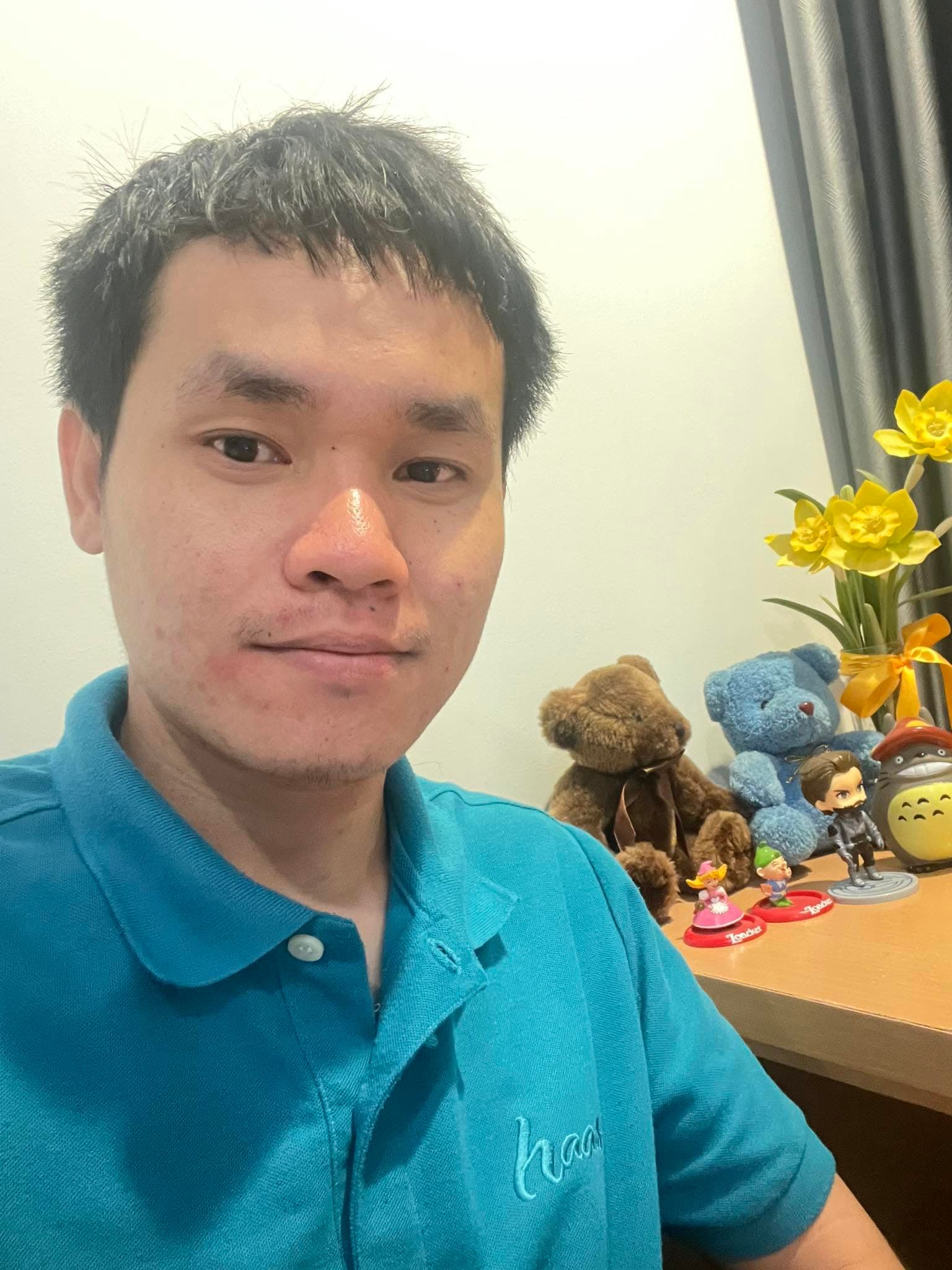
Khieo Lapchanh, 26, was last seen on 15 September. According to the Manushya Foundation, which reported his disappearance to the police on 18 September, security cameras at his home show that Khieo did not return after finishing his shift around 2 am.
He was supposed to appear at the UN refugee agency's offices the following day but never arrived.
His case is like that of other Laotian activists who have gone missing while awaiting resettlement or some form of international protection.
Khieo had arrived in Thailand in 2019 and, late last year, began posting videos on Facebook criticising the Laotian government. His Facebook page, Khiew Chennel, had garnered approximately 159,000 followers.
Among his targets was, in particular, the Siphandone family, which has controlled Laotian politics for decades: The current Prime Minister, Sonexay Siphandone, is the son of former President Khamtay Siphandone, while his sister, Viengthong Siphandone, serves as vice president of Laos.
According to the Manushya Foundation, a human rights organisation focused on Southeast Asia that launched an appeal to locate the young man, Khieo had received death threats and was the target of online intimidation campaigns.
His personal details had been leaked on social media, and AI-manipulated content depicting him in violent scenes had also circulated.
Khieo had curtailed his social media activity after Laotian officials twice visited his mother’s home, the foundation reported.
In August 2019, Od Sayavong, a member of the Free Lao group, a network of dissidents and activists calling for reforms to Laos’s one-party communist rule, disappeared in Bangkok. He too had been awaiting resettlement in a third country.
In May 2023, the body of Bounsuan Kitiyano, a UNHCR-recognised refugee and fellow Free Lao member, was found in Thailand’s Ubon Ratchathani province, near the Laotian border, with three gunshot wounds. He had been planning to relocate to Australia. To date, no one has been identified as responsible for the murder.
For some time, Thailand has shown that it is not a safe haven for dissidents from the rest of the region. A 2024 report by Human Rights Watch states that at least 25 incidents of transnational repression, including violence, abductions, and enforced disappearances, have been documented in Thailand since 2014.
In some instances, political opponents have even been handed over to the authorities of their home countries.
Thailand’s legal framework makes asylum seekers more vulnerable. While Bangkok has allowed the UNHCR to have offices in the country, it has never ratified the 1951 Refugee Convention; consequently, asylum seekers are treated as irregular migrants and remain at risk of repatriation.
What is more, last month, the Thai government introduced new regulations to expedite and streamline the deportation procedures for foreigners who violate the law.
In January 2022, Khoukham Keomanivong, another member of Free Lao, was arrested for overstaying his visa, despite holding a UNHCR card recognising him as a refugee. His repatriation to Laos was averted only through the intervention of civil society groups.
Laotian dissidents face persecution in other countries as well. Joseph Akaravong, a political refugee in France since 2022, survived an assassination attempt last year after being stabbed in the chest and throat.
On Wednesday, eight days after Khieo’s disappearance, more than 130 UN human rights experts issued an appeal to strengthen measures against transnational persecution, while simultaneously calling for expedited asylum, resettlement, and humanitarian visa procedures for at-risk individuals.
In their plea, the experts also highlight the increasing use of digital tools, ranging from social media to surveillance software and malware, to target activists across national borders.
According to some observers, Laos’s communist government's crackdown is being facilitated by cuts to international cooperation funding from the United States.
With the end of USAID funding, safe houses for activists and human rights defenders from Laos and Cambodia, managed by the Manushya Foundation, are facing growing difficulties, the association's president warned.
These same observers note that the reduction in support from Washington leaves more room for Beijing, Laos's primary source of investment and development assistance.
The country has been governed by the Lao People's Revolutionary Party since 1975. The first known case of an activist disappearing was that of Sombath Somphone in 2012. Since then, at least ten murders or attempted murders of political opponents in Laos have been documented.
This issue is particularly significant ahead of a major milestone for the Southeast Asian nation, which is scheduled to formally graduate from the UN’s category of Least Developed Countries on 24 November.
Instead, several exiled Laotian activists are calling for this recognition of economic progress to be accompanied by greater attention to civil liberties and the human rights situation in the country. They fear that the celebration of economic growth could end up overshadowing persistent restrictions on political freedoms.