Istanbul (AsiaNews) – Turkish President Recep Tayyip Erdogan turned Hagia Sophia and Chora, Istanbul's two famous former Christian basilicas, into mosques again after they had been repurposed as museums. Now, another famous Christian place of worship risks suffering the same fate, sacrificed on the altar of the president’s Islamo-nationalist policies,
George Aslan, an Assyrian (Syriac) Member of the Turkish parliament for the pro-Kurdish Peoples' Equality and Democracy Party (Dem Party), submitted some questions in parliament regarding reports that the historic Armenian Cathedral of Ani, a centuries-old church in Kars, would reopen as a Muslim place of worship.
State media first reported the news, referring to the upcoming opening of the "mosque" without mentioning its origins.
In his address, Aslan noted that Ani Cathedral, also known as Surp Asdvadzadzin, or Holy Mother of God, is one of hundreds of historic churches and monasteries in Turkey that are in a state of neglect.
Stressing the church’s historical, cultural, and religious significance, the lawmaker cited recent reports circulating in various media outlets suggesting plans to repurpose the building.
In light of this, Aslan raised several questions with Culture and Tourism Minister Mehmet Nuri Ersoy.
"Is it true that after the restoration of Ani Cathedral, it will be opened as a mosque? If so, what is the justification for this decision?”
“Would the decision to change the religious identity of this historical structure and convert it into a mosque not contradict Turkey’s multi-religious and multicultural character?”
"Will the decision to turn Ani Cathedral into a mosque be reconsidered with regard to its original religious and cultural identity?"
“Which churches or monasteries have been converted into mosques during your tenure?” In addition to Chora and Hagia Sophia, “How many churches and monasteries have been converted into mosques over the past 20 years?”
State-run Anadolu Agency (AA) published a story on 3 July titled: “The 'conquest mosque' in Ani, where the first Friday prayer in Anatolia was held, is being restored”.
In describing the place of worship and its history, the article refers to it only as the "Fethiye (Conquest) Mosque," omitting its original Christian identity and its historical name as Surp Asdvadzadzin Cathedral.
The building’s conversion is also being presented in the context of the "Turkish conquest tradition," without acknowledging its original religious function nor any specific mention of its cultural significance to the Armenian people or its importance for Armenian-Turkish relations.
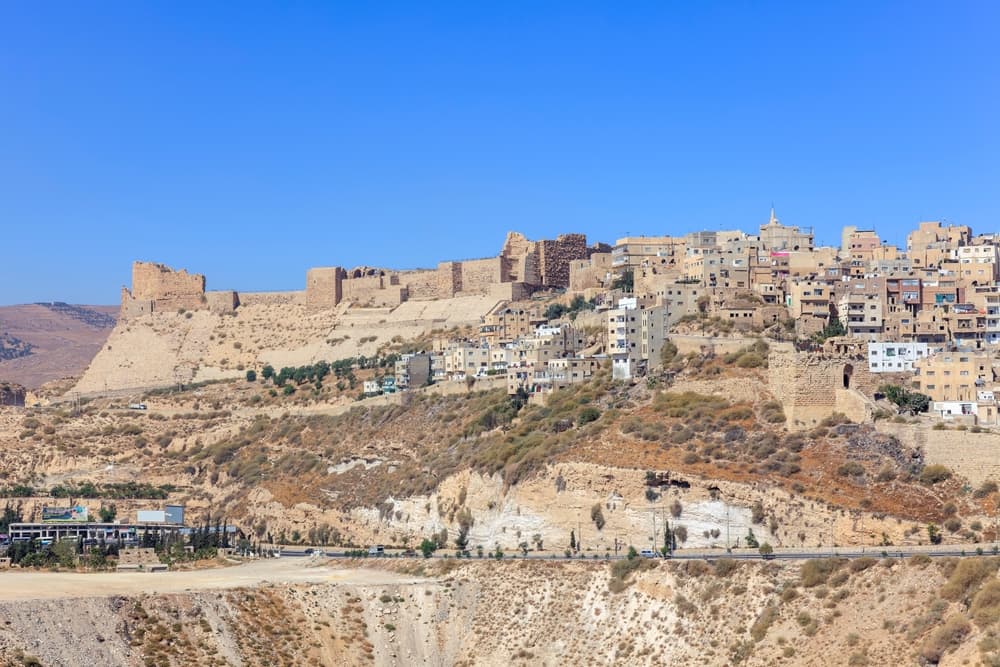
Ani Cathedral stands within the ruins of the ancient city of the same name, in the northeastern Turkish province of Kars, near the Armenian border.
Built in the 10th century, it is considered one of the most significant examples of medieval Armenian architecture. Its construction began in 987 under the Armenian king Smbat II and was completed in 1001 or 1010 by Queen Katramida, wife of Gagik I of the Bagratid kingdom.
The architect, Trdat, was known for restoring the famous dome of Hagia Sophia in ancient Constantinople (modern-day Istanbul) around the same time. The place of worship served as the religious centre of Ani, which was the capital of the Armenian Bagratid kingdom.
Today, it is part of the Ani archaeological site, classified as a UNESCO World Heritage Site.
According to the Ani mobile app developed by Anadolu Kültür, after the Seljuk conquest in 1064, the cathedral was briefly used as a mosque under the name “Fethiye”.
In 1199, the Georgian-Armenian Zakarids regained control of the city and returned the building to Christian use.
The structure suffered severe damage in the 1319 earthquake, which destroyed the dome, while another quake in 1988 caused the northwest corner to collapse, leaving deep cracks in the walls.
Freedom of worship is guaranteed in Turkey, but the last 20 years have seen serious violations, such as changes in the use of former Christian basilicas, and sectarian-related killings, such as the murders of Father Andrea Santoro in 2006 and Bishop Luigi Padovese in 2010.
In particular, the conversion of the ancient Christian basilicas of Hagia Sophia and Chora into mosques – which had been turned into museums in the first half of the 20th century after Atatürk’s Turkey was established – is part of Erdogan's Islamo-nationalism, a strategy to cover up the country’s ongoing economic crisis and for him to maintain power.
In the case of Hagia Sophia, after the decision was taken to use it as a mosque, Muslim authorities had white fabric cover the images of Jesus, frescoes, and icons that testify to the Christian roots of the building, which has stood since the 6th century dedicated to the wisdom of God.