Dhaka (AsiaNews) - The execution of two Bangladeshi nationals in Saudi Arabia has sparked renewed concern over the protection of migrant workers abroad, with a leading human rights coalition demanding transparency from both Saudi and Bangladeshi authorities and questioning whether the condemned individuals received adequate legal and consular support before their deaths.
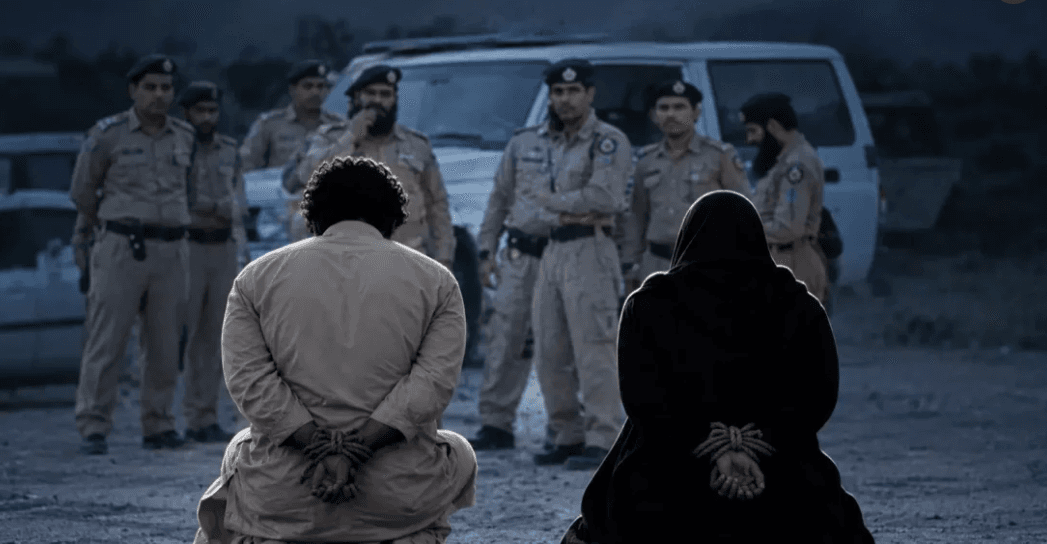
In a statement, the Human Rights Forum Bangladesh (HRFB), a coalition of rights organisations, expressed deep concern over the reported execution of Nazrul Islam Abdul Bashir and Sweety Akter in the Makkah region on 14 October. The group also condemned the reported failure of Saudi authorities to notify Bangladesh's diplomatic mission beforehand.
Devastating shock
For the families of the two Bangladeshis, the news came as a devastating shock. Rights advocates say the case highlights the vulnerability of millions of migrant workers who often face legal systems in foreign countries without adequate language support, legal representation, or access to consular assistance.
Tahmina Rahman, HRFB convener and executive director of Ain o Salish Kendra (ASK), called for an impartial review to determine whether the two men were able to exercise their legal rights and whether Bangladeshi officials took all necessary steps to protect them.
According to local media reports, the two had been detained since August 2023 on separate charges, although for a few days a (baseless) rumour had circulated that the two had committed “illicit acts” near a mosque.
A letter sent on 18 October by the Labour Wing of the Bangladesh Consulate in Jeddah to the Ministry of Expatriates' Welfare and Overseas Employment stated that a list of detainees received from Saudi authorities on 30 September included the names of the two Bangladeshis but did not mention their sentences.
Sentencing information was reportedly provided for other detainees on the same list.
The letter further stated that neither the Bangladesh Embassy in Riyadh nor the Consulate in Jeddah received formal or informal notification of the executions.
The case has raised troubling questions among rights groups. HRFB asked whether Bangladeshi consular officials sought clarification after receiving the incomplete detainee list and whether any efforts were made between 30 Septemberand 14 October to verify the status of the two cases.
“The lack of notification by Saudi authorities is a serious concern," the organisation said, but added that this did not automatically absolve the Bangladeshi mission of its own responsibilities to monitor the welfare and legal status of detained citizens.
Controversial affair
The group argued that a review should establish when Bangladeshi officials became aware of developments in the cases, whether they identified the possibility of capital punishment, and what actions, if any, were taken to prevent the executions or ensure due process.
The issue also raises broader questions about international legal safeguards. Bangladesh is a signatory to the International Covenant on Civil and Political Rights (ICCPR), which protects the right to life and guarantees fair trial rights, including access to legal counsel.
The Vienna Convention on Consular Relations further provides foreign detainees with the right to communicate with their consular representatives.
HRFB said it was important to determine whether the two Bangladeshis had access to lawyers of their choice, interpretation services, opportunities to appeal, and effective communication with Bangladeshi diplomatic officials.
The NGO also called for the disclosure of all information about the charges, judicial proceedings, and legal basis for the sentences.
The Bangladesh consulate in Jeddah reportedly sent a diplomatic note seeking copies of the court judgments and details of the cases.
The HRFB urged the government to pursue the matter formally through diplomatic channels and make public the findings of any investigation into official actions taken before the executions.
It further called for accountability should any negligence or failure of duty be established, and urged fair compensation for the families of the deceased.
Reacting to the controversy, State Minister for Foreign Affairs Shama Obaid said Bangladesh had already sought information from Saudi authorities and would be able to provide details once the court judgments were received.
He noted that the government routinely tries to provide legal assistance to Bangladeshis sentenced abroad and pursues available legal avenues to seek sentence reductions or clemency.
The minister also pointed to the scale of the challenge. According to government figures, around 7,500 Bangladeshi citizens are currently incarcerated in Saudi Arabia.
Migrants, between economics and rights
The case has resonated deeply in Bangladesh, where migration remains a lifeline for millions of families.
Saudi Arabia hosts one of the largest Bangladeshi expatriate communities in the world. An estimated 3.5 million Bangladeshis work legally in the kingdom, including roughly 150,000 women workers, while many others are believed to be there without regular documentation.
The remittances they send home are a major pillar of Bangladesh's economy, supporting rural households and contributing significantly to the country's foreign exchange reserves.
Human rights advocates say that economic dependence on overseas employment makes the protection of migrant workers an increasingly urgent issue for both governments.
For Church leaders, rights activists and migrant support organisations in Bangladesh, the tragedy underscores a broader moral challenge: ensuring that people who leave home in search of work do not lose access to justice, dignity and protection when they encounter legal trouble abroad.
As the families of the two executed Bangladeshis await answers, calls are growing for greater transparency, stronger consular engagement and more effective safeguards for vulnerable migrant workers.