Kuala Lumpur (AsiaNews) – Malaysia's multi-ethnic and multi-religious reality requires a delicate balancing act between its constituent parts to avoid suspicions and resolve conflicts.
However, its policy towards illegal immigrants, displaced people, and recognised refugees, often arriving after long and perilous sea journeys, continues to be excessively harsh, making their acceptance and integration nearly impossible.
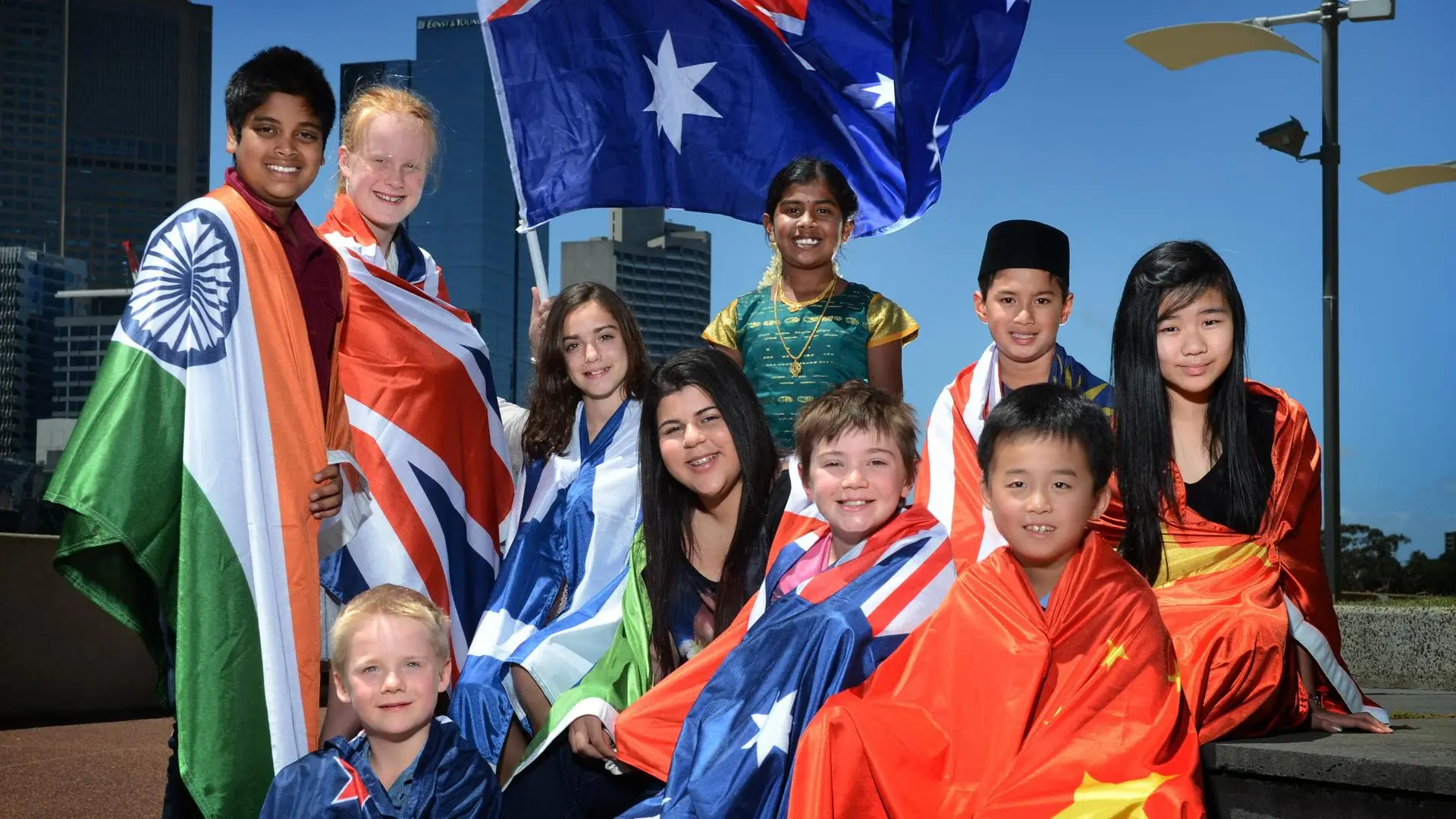
The country is home to a population of 35 million, among the most heterogeneous in the region, shaped by a rich history of migration.
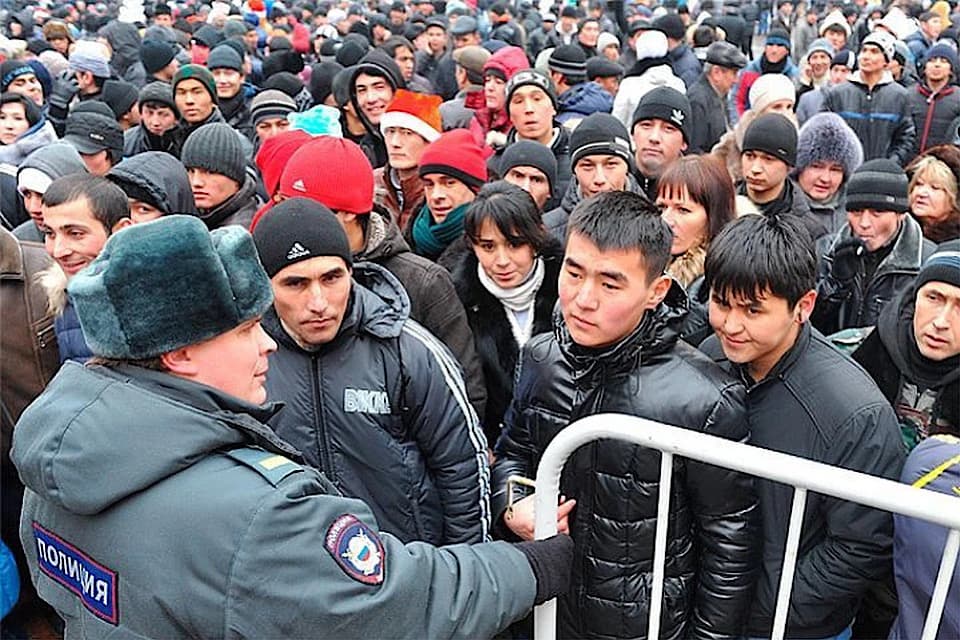
Today, according to various Malaysian government and World Bank sources, it hosts 2.6 to 5.5 million migrants, both legal and undocumented, and nearly 260,000 refugees and asylum seekers, according to the United Nations High Commissioner for Refugees (UNHCR).
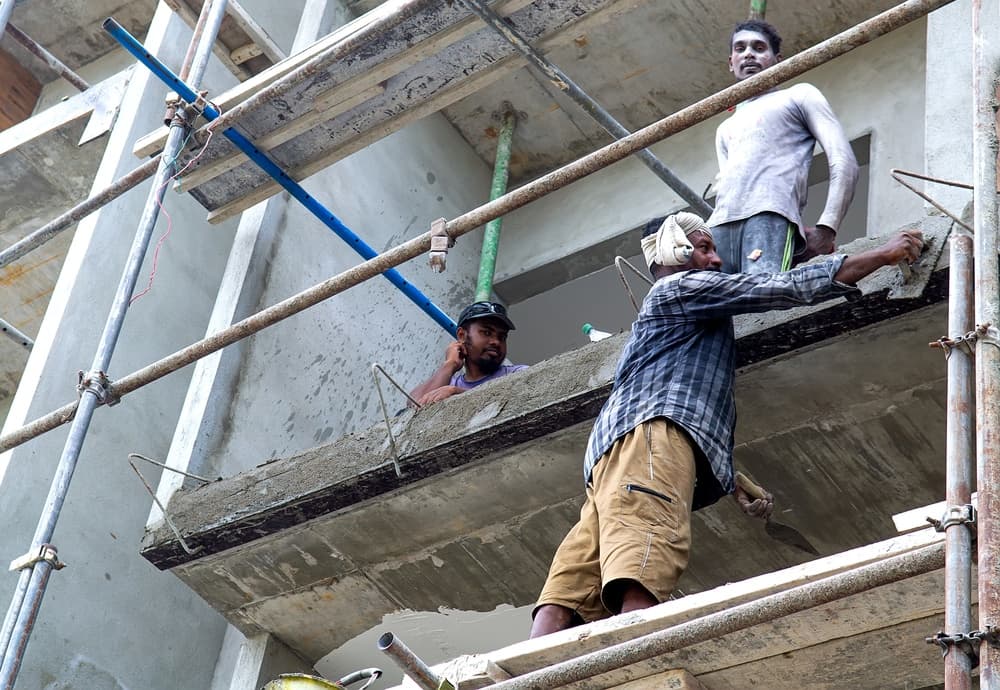
Migrant workers represent approximately one fifth of the workforce.
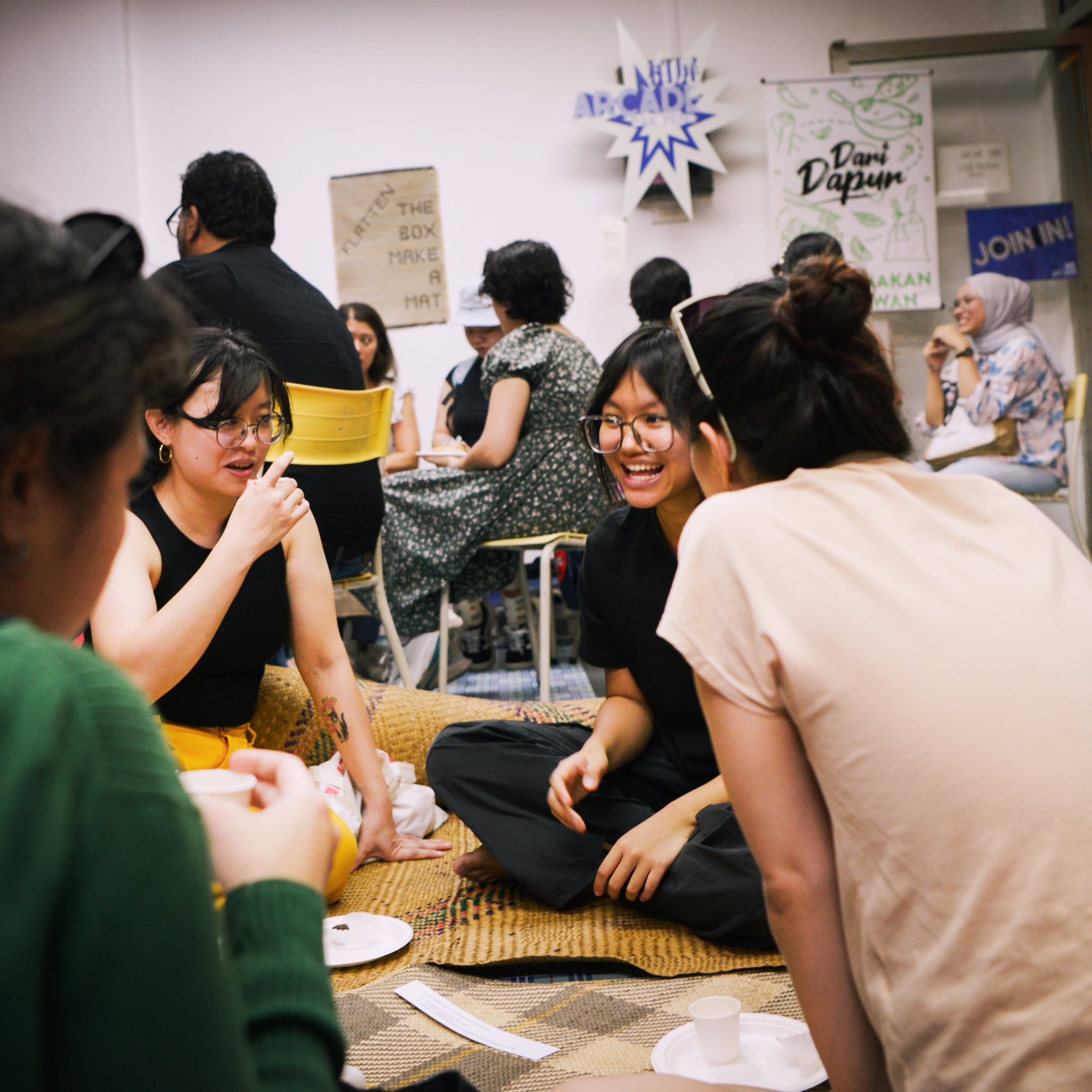
In this complex and difficult-to-manage, but in many ways necessary, context, the Dari Dapur (Stories from the Kitchen) initiative aims to create a space for meaningful and positive discussion on migration through the universal language of food.
The country’s various gastronomic traditions (Muslim Malay, South Indian, Chinese, European, and many local ones) and their intermingling are a recognised and appreciated element of the Malaysian "melting pot”, both domestically and abroad.
This common element has inspired a series of videos sharing the culinary experiences of various local and immigrant population groups.
The initiative, launched in 2023, has recently been repeated with a new series of videos for YouTube, with the support of the UN Regional Office for Refugees, the International Organisation for Migration (IMO), and other partners, under the motto “We are all made of the same ingredients”.
Funded by the Malaysia-UN Sustainable Development Goal Trust Fund, the series, whose latest episode is already online, will feature five short films in which public figures join migrants and refugees in their kitchens to prepare recipes from their respective countries of origin; exchange life, family, and travel stories; and discover how much they have in common.
“In moments when narratives of division take hold, Dari Dapur reminds us of the power of sharing a meal and a conversation. This new season shines a light on the hopes, dreams, and everyday realities that connect us all, no matter where we come from,” said Cynthia Veliko, Representative at the UN Human Rights Regional Office for South-East Asia.
“Values like respect, understanding, and acceptance have long been woven into Malaysia’s social fabric, and Dari Dapur helps bring these values to life in our communities,” said Heba Abdellatif, International Organisation for Migration (IOM) Chief of Mission in Malaysia.