The clash over reforms and Ukraine’s future
What will happen to Kyiv’s economy when the war ceases to be the main obstacle, whilst its consequences – labour shortages, destroyed infrastructure, the need for capital and security risks – remain?

What will happen to Kyiv’s economy when the war ceases to be the main obstacle, whilst its consequences – labour shortages, destroyed infrastructure, the need for capital and security risks – remain?
The Kremlin is trying to fill the void left by the decline of ideologies with the cult of the Great Victory. While "Putinism" and fascism share some features, with echoes from Hitler, stressing their similarities tends to obscure their distinctive features. Putinism rejects socialist ideas and scorns the pursuit of equality, while making the messianism of the Russian Orthodox Church a fundamental part of its politics.
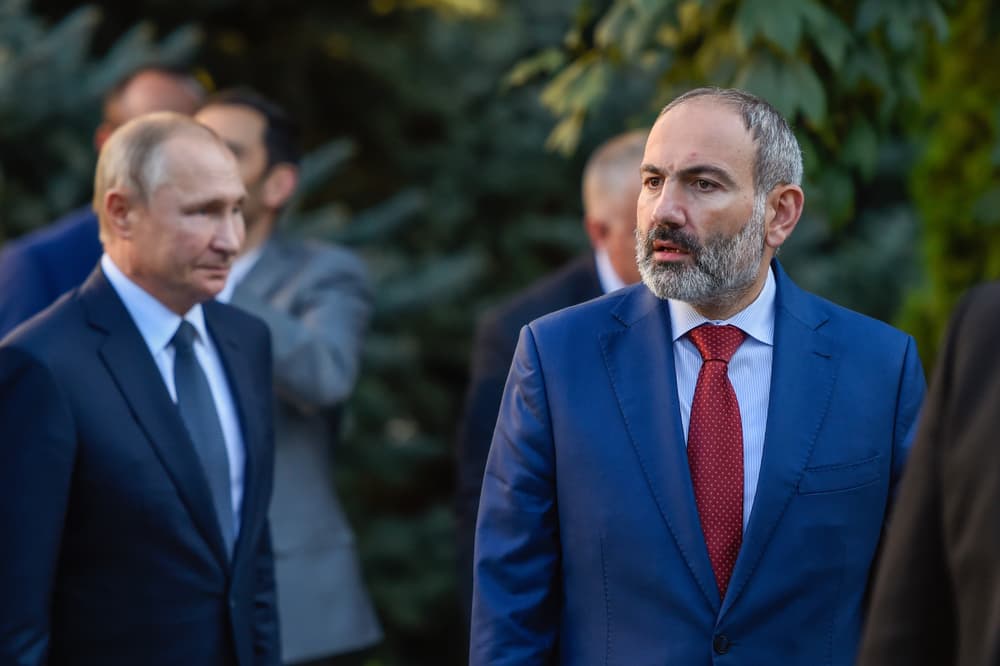
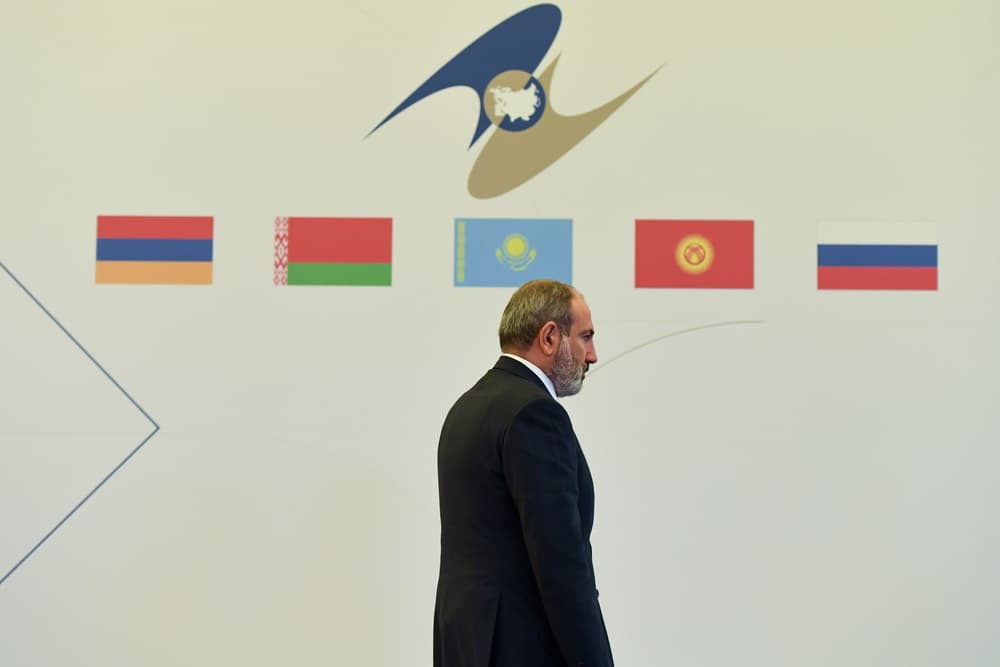
The vote on 7 June in Yerevan is set to resolve the turbulent domestic political situation, either ushering in a new phase oriented towards Europe or bringing the country back under Russian control, whilst seeking to avert civil war between the various factions of the Armenian people. Meanwhile, the current Prime Minister Pashinyan has indicated that he intends to meet Putin immediately after the vote.
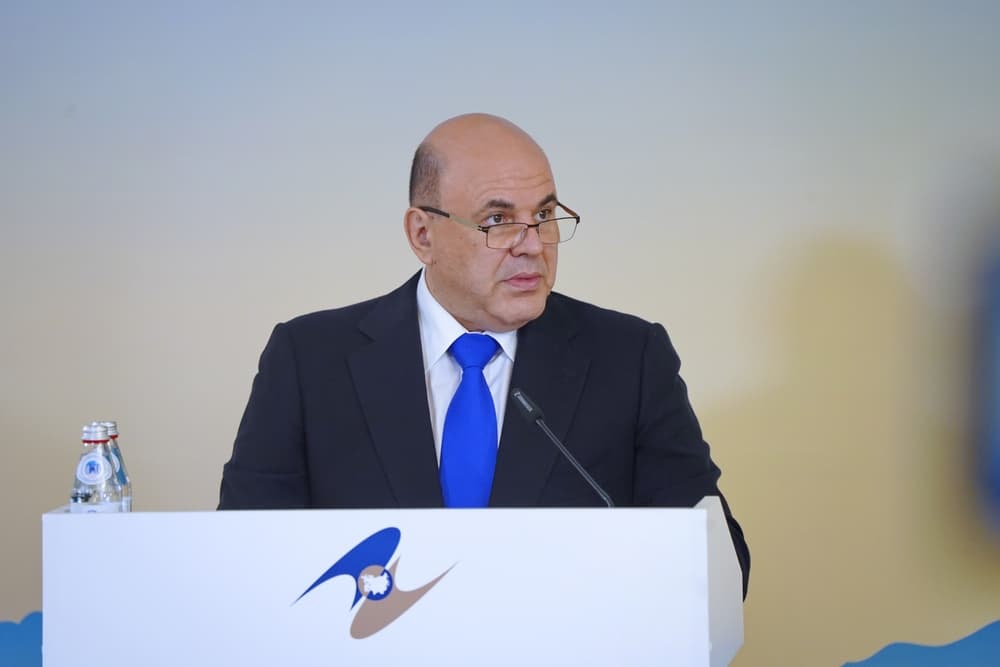
The Mishustin government is attempting to build a sovereign economy based on technology platforms. But even sellers on Wildberries, Ozon and Yandex Market are discovering that even huge turnover can sometimes, surprisingly, turn into a “negative profit”. Because Moscow no longer needs a complex and autonomous economic fabric.
Several comedians have been persecuted for jokes relating to military operations and mobilisation, as well as about the Orthodox Church and Putin. Irony and sarcasm were the only weapons for resisting the oppression of Soviet totalitarianism; today, even those are now banned.
From Vladivostok to Vilnius, priests are being reduced to the lay state. In a book published in Paris, where he has been reinstated by the Ecumenical Patriarchate, Father Aleksej Uminskij recounts receiving confused letters every week from former colleagues across the country. Many Orthodox priests find it impossible to pray for the war, but fear denunciations and ecclesiastical judgement.
In Grozny, men’s attitudes have become increasingly harsh in public debates in recent years, whilst the boundaries of what is acceptable for women are becoming ever more restricted. A paradoxical situation has arisen following the story of a sea rescue of some girls who were drowning, which was criticised on social media because ‘in Islam, touching a woman is forbidden’.
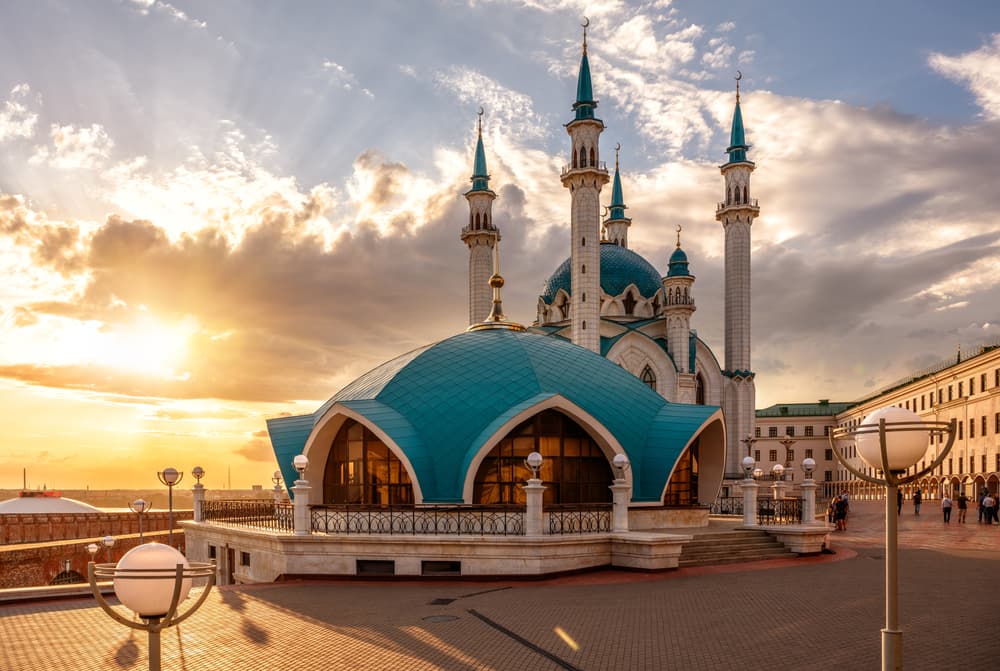
According to pro-government sources, the crackdown on a dozen local Islamic leaders was triggered by statements calling for action against Putin in Moscow. Among those targeted were several associates of Gajnutdin, the head of the Spiritual Administration of Muslims, which represents Islam at official events at the Kremlin.
For many years, Moscow has been engaged in a two-pronged process regarding the definition of citizenship. The first involves reducing the number of people who can be considered true Russian citizens, while the second involves narrowing the very meaning of the concept of "citizen", the actions that define it and those that citizens are allowed to undertake.
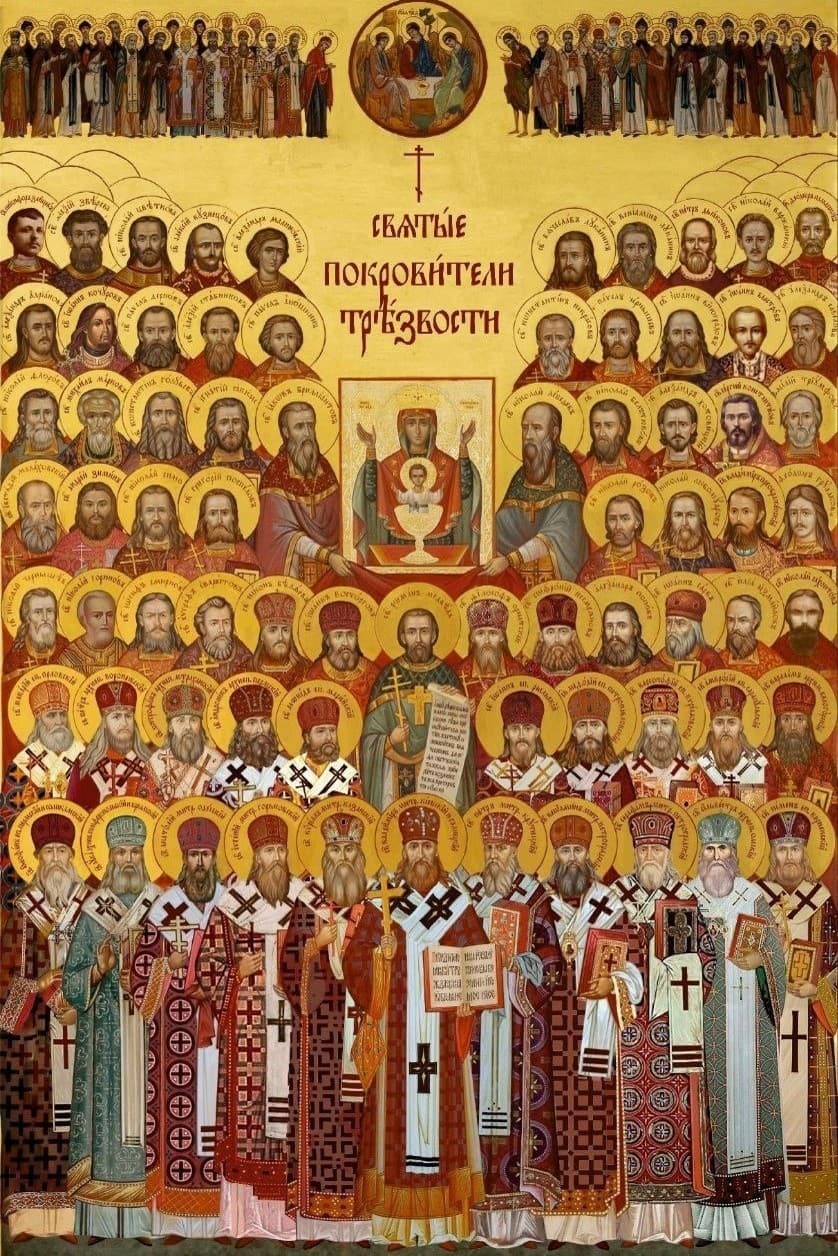
The icon of the Mother of God Neupivaemaja Čaša, the “Inexhaustible Chalice” which presents Christ as the “drink of salvation”, is increasingly invoked by Russian Orthodox Christians to seek deliverance from alcohol and drug addiction. Alongside 80 “saints of sobriety” chosen from among the “new martyrs” of the last century.
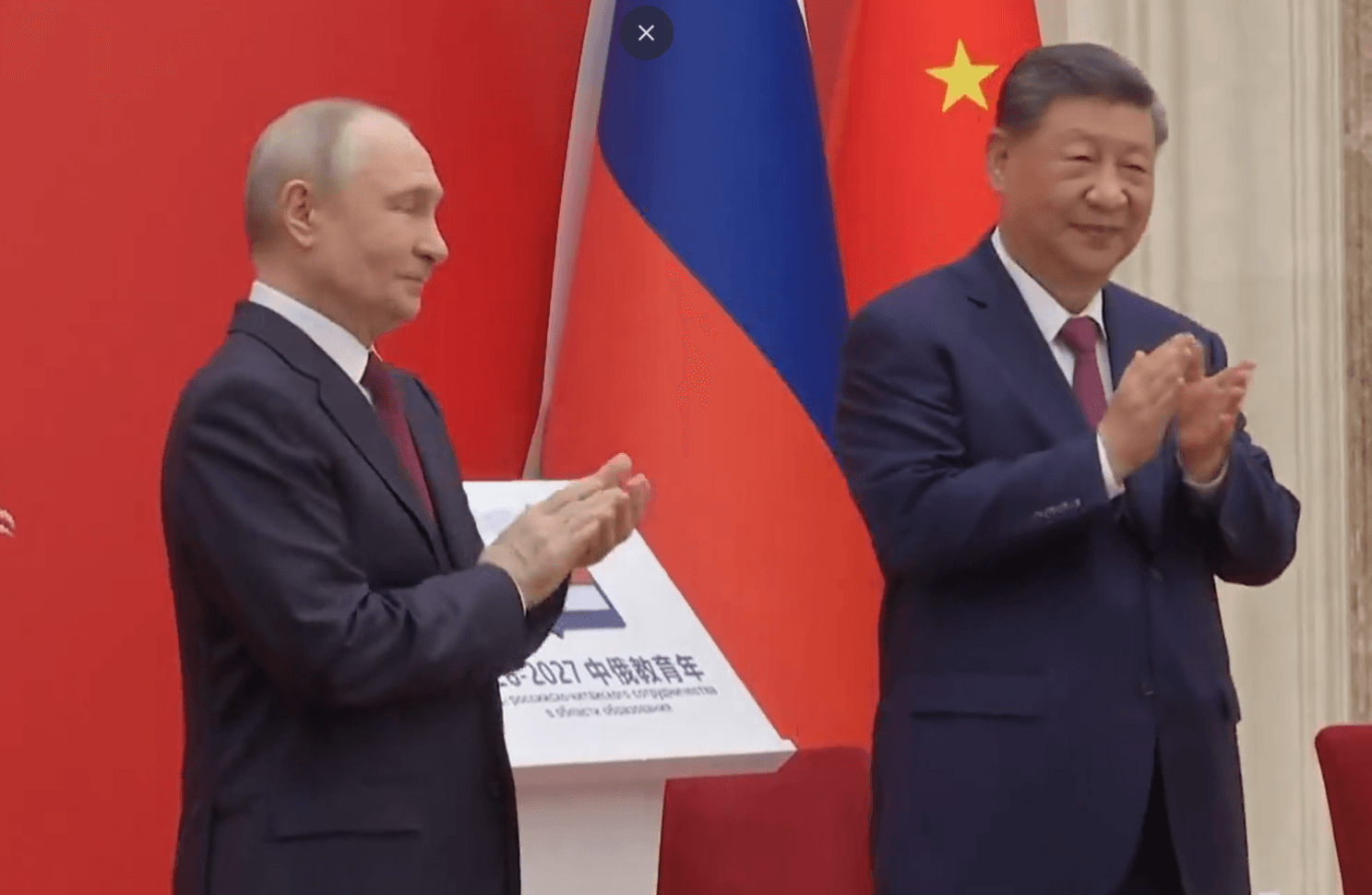
At yet another summit in Beijing, just a week after Donald Trump's visit, the Russian and Chinese presidents discussed strategic cooperation, calling US policy "irresponsible”. But once more, negotiations have stalled regarding the Power of Siberia-2 pipeline, which is vital for Moscow but not China.
Since May, data on the grounds for court rulings relating to political and social repression, cases against military personnel, and those concerning defendants and convicts who are being sent to fight in the war in Ukraine have become inaccessible in Russia. In recent years, the figures had revealed an exponential rise in convictions for treason, espionage and collusion with foreign powers.
At the recent European summit in Armenia, attended by Zelenskyy and marked by a clear desire to strengthen relations with the European Union, Putin responded by warning Armenia not to follow in Ukraine’s footsteps. These are weighty words in a country preparing to go to the polls on 7 June for extremely sensitive parliamentary elections.
Subscribe to the newsletter to receive verified news, analysis and insights from Asian countries every week.
Subscribeto the newsletter