The clash over reforms and Ukraine’s future
What will happen to Kyiv’s economy when the war ceases to be the main obstacle, whilst its consequences – labour shortages, destroyed infrastructure, the need for capital and security risks – remain?

What will happen to Kyiv’s economy when the war ceases to be the main obstacle, whilst its consequences – labour shortages, destroyed infrastructure, the need for capital and security risks – remain?
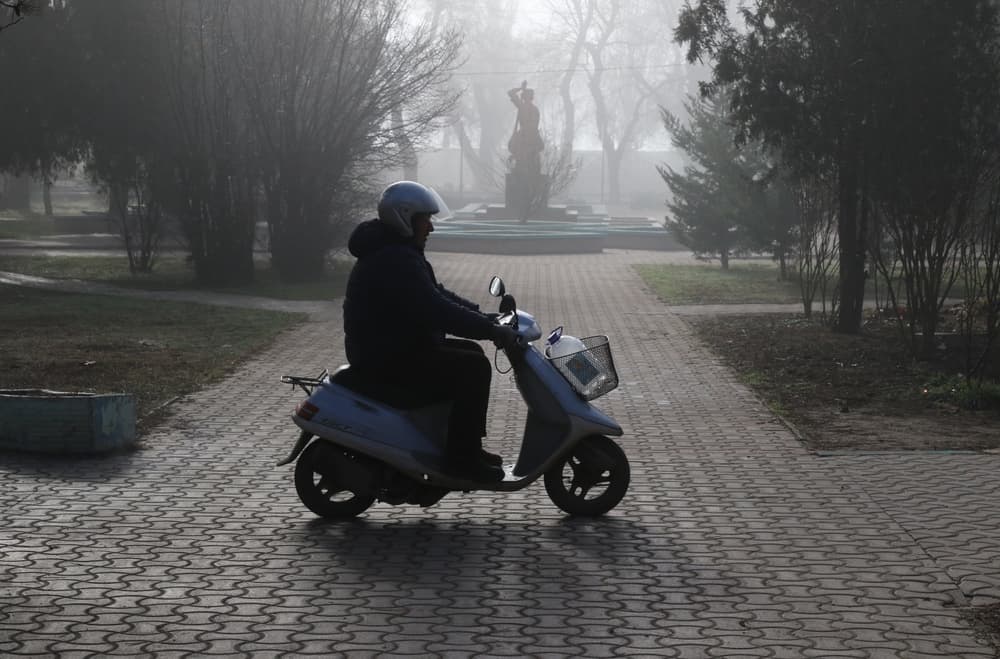
Russian authorities are banning motorbikes from the roads between 10 pm and 6 am because they claim the noise interferes with Russian military operations to shoot down Kiev’s aircraft. The first vehicles have already been impounded for those who disobey. But everyone is now aware that the electronic defence systems no longer work.
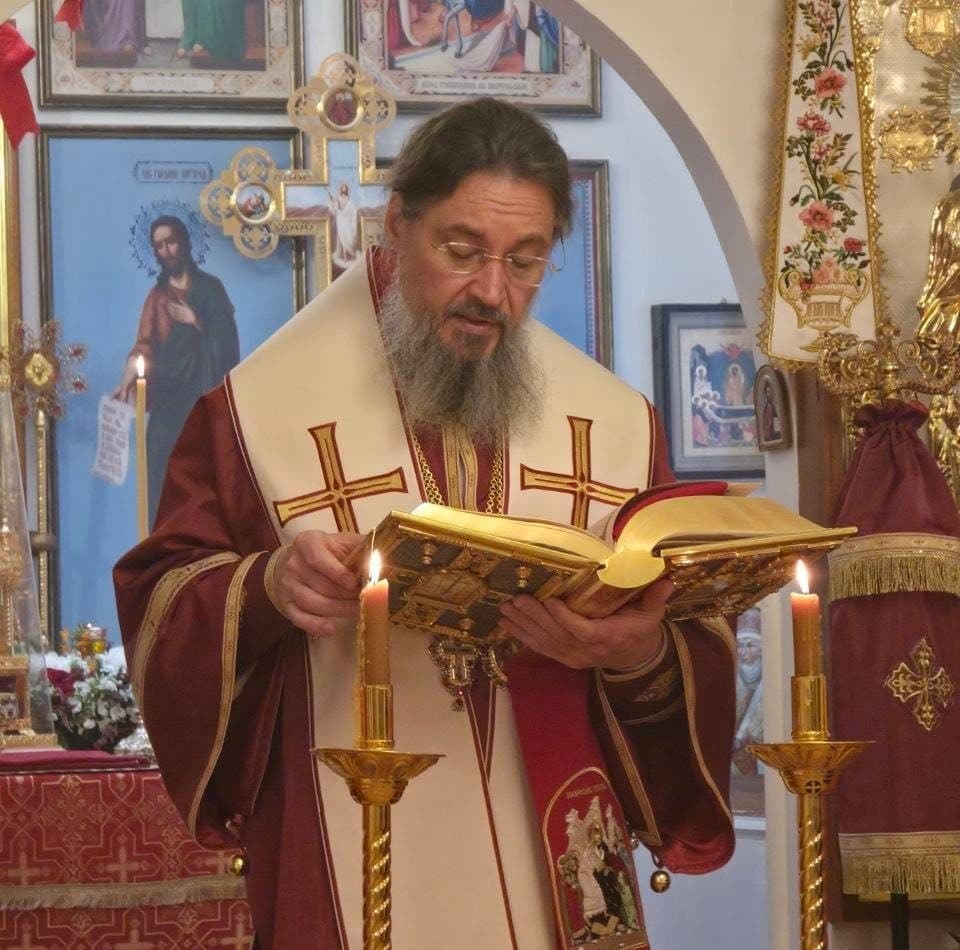
In an extensive interview with TASS, Metropolitan Sergij of Singapore described the mission of his exarchate – which today stretches from Korea to Indonesia, across countries with Buddhist or Muslim majorities – as “difficult and stimulating”. “Dialogue on faith? Here it does not begin with dogma, but with the beauty and silence of an Orthodox church”
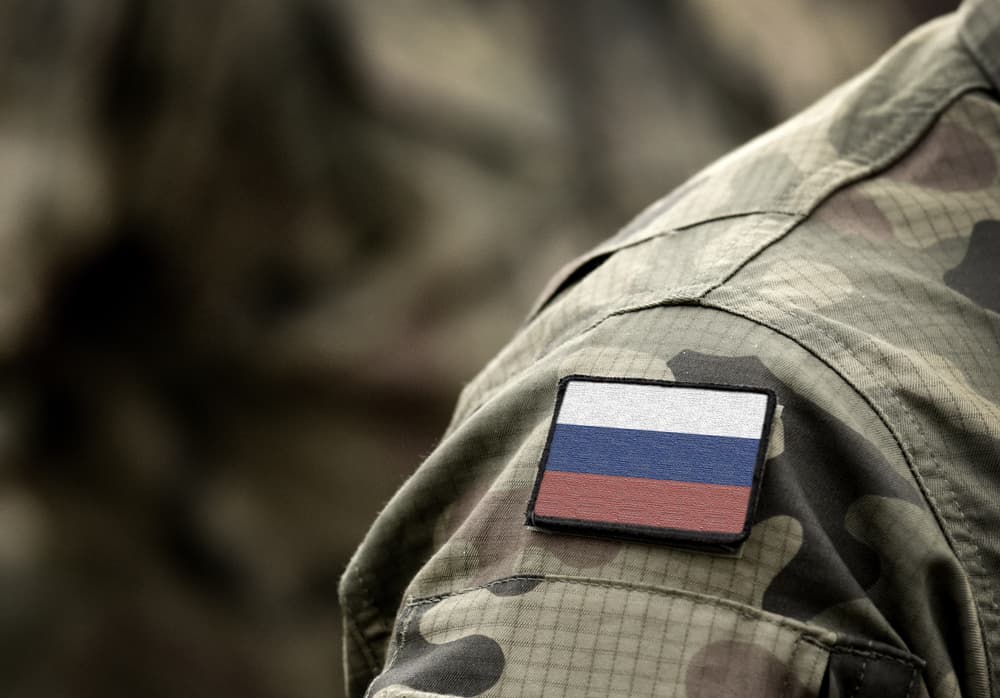
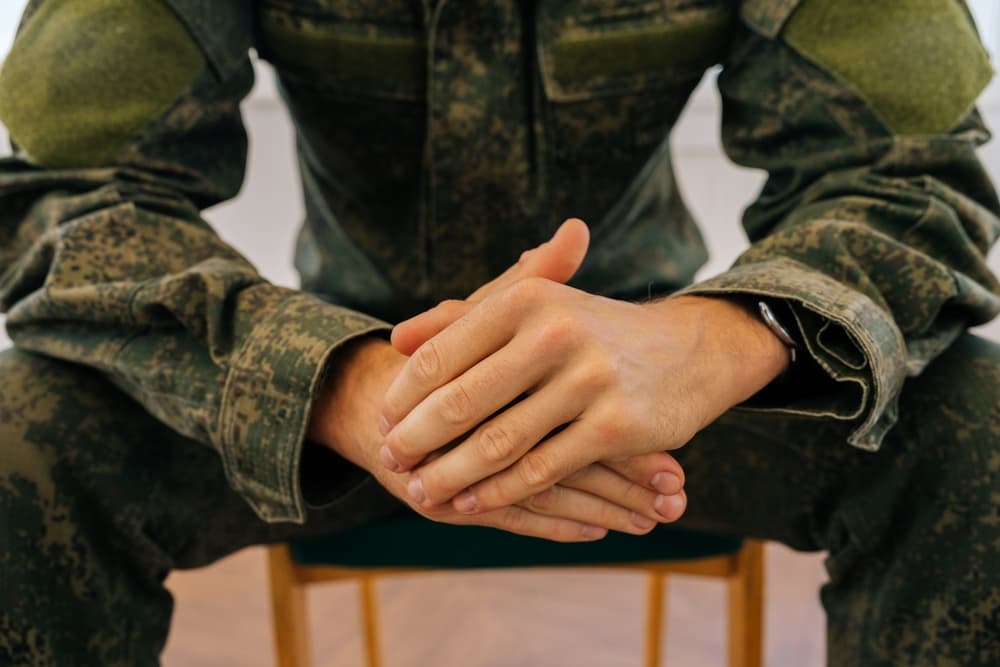
According to a report published and subsequently censored in the state media, as many as 250,000 men who have returned from the front are struggling to find work in Russia. The website Veter contacted some of them and recounted their stories, which take us back to the period following the Soviet Union’s war in Afghanistan, a time marked by many unresolved social tensions.
By targeting the Kyiv Pechersk Lavra, Moscow has struck the sacred site it has used for centuries as evidence of its "special spiritual mission", which it refused to cede to the Ukrainians until its complete evacuation. Now it will be necessary to rebuild the place, like after the Tatar-Mongol invasion, and the Great Patriotic War against the Nazis.
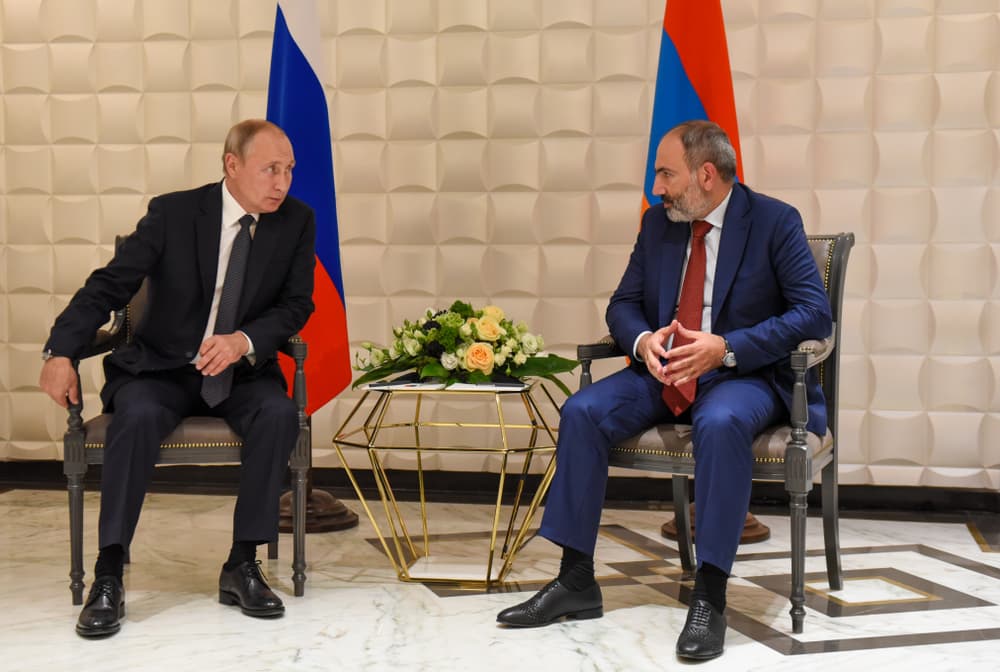
The electorate’s pro-European choice in the 7 June vote was accompanied by the election of the largest number of pro-Russian MPs since 2018. Putin nevertheless aims to influence the prime minister’s policies, with whom he maintains open channels of communication. And the polls themselves suggest that Armenians do not want the partnership with Brussels to be at Moscow’s expense.
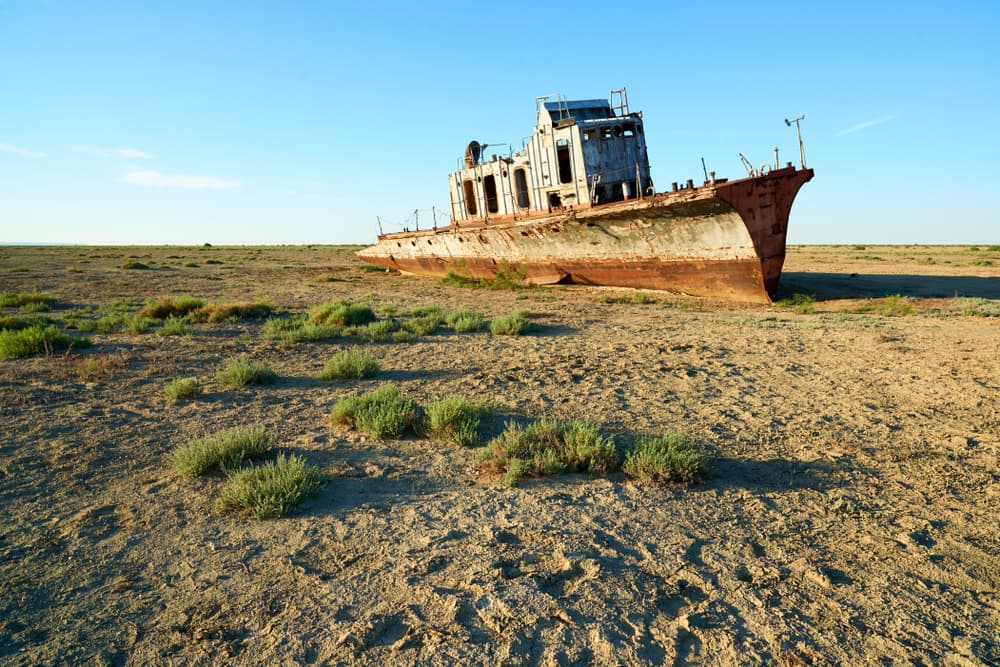
On World Desertification Day, the United Nations warns that Central Asia is facing its worst drought in 45 years. It's no coincidence that the next UN conference on the topic will be held in Mongolia in August. Land degradation on the continent translates into food insecurity and migration to cities and abroad.
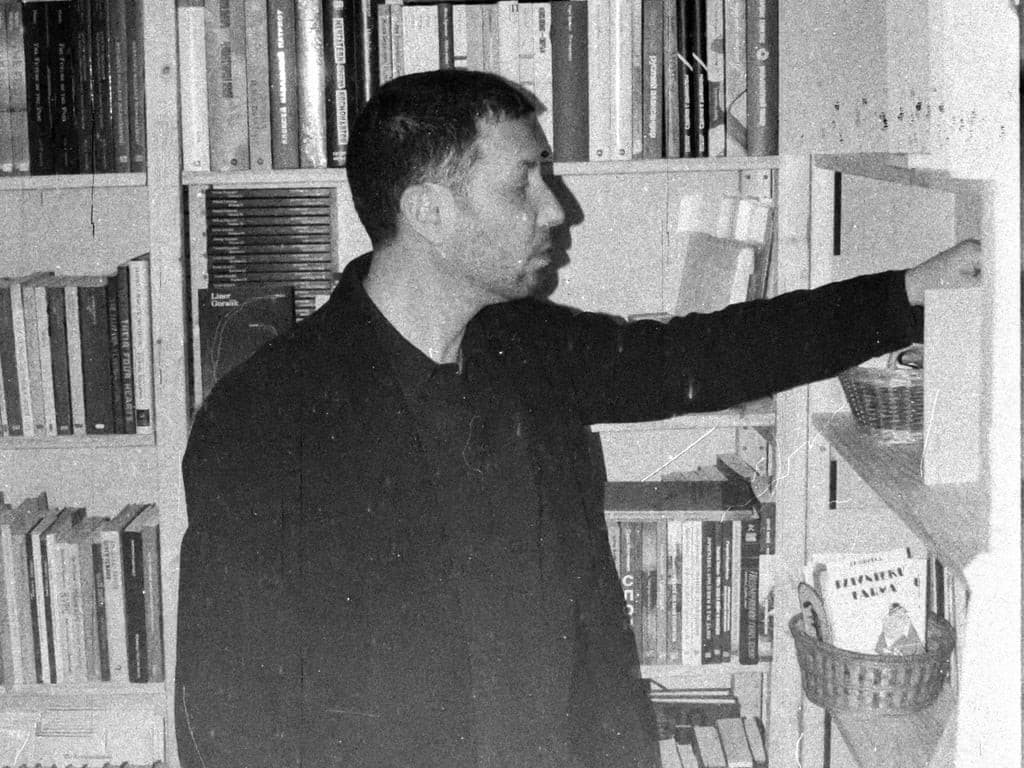
In *Novaya Gazeta*, Slavic studies scholar Jakov Klotz describes the flourishing of publications by Russian dissident authors during the period of repression in Moscow: “We do not translate books to entertain Western readers with tales of Putin’s horrors, but to save Russian culture.”
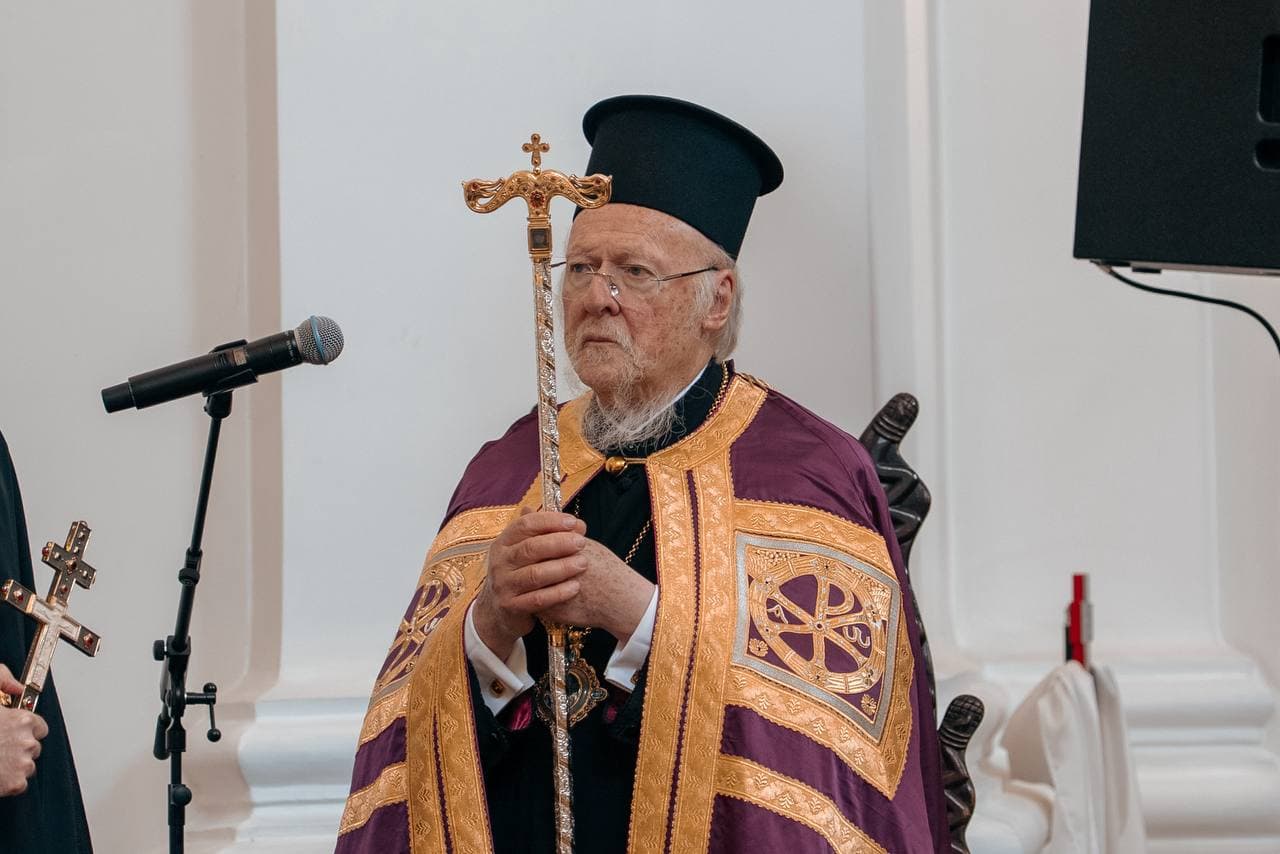
The visit to Vilnius by Bartholomew, Patriarch of Constantinople, marked the completion of the return of Lithuanian territory to his jurisdiction with the consecration of an exarch in a country that has welcomed many Orthodox Christians who left Moscow due to the schism. At the same time, Kirill was in nearby Kaliningrad, where he emphasised the ‘patriotic’ mission of his community.
The Russian academic world has been silenced. An unprecedented campaign mounted around a research project on Aristotle is even discrediting the Institute of Philosophy of the Russian Academy of Sciences. And whereas in 2022 scientists were the professional group most vocal in condemning the ‘special military operation’ in Ukraine, today their community has all but vanished from the public eye.
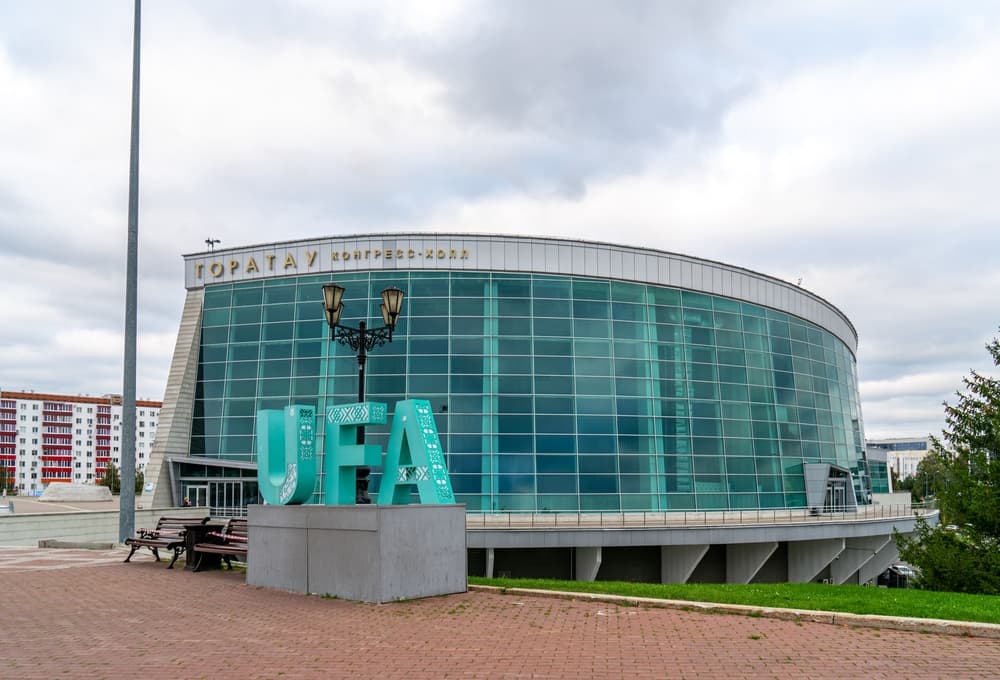
The website Idel.Realii has reported on a complaint from the family of a 30-year-old man from Ulyanovsk who – despite having been under the care of local psychiatric services since childhood – was nevertheless conscripted into the Russian army to fight in Ukraine. Similar cases had already been reported in Tatarstan, the Perm region and Udmurtia.
The decline in the extractive industry, linked to the fall in oil exports, is dragging what was traditionally one of the richest republics in the entire Russian Federation into stagnation. This is in contrast to Tatarstan, the other Tatar region, where the war economy, driven by drone manufacturing, is boosting the manufacturing sector.
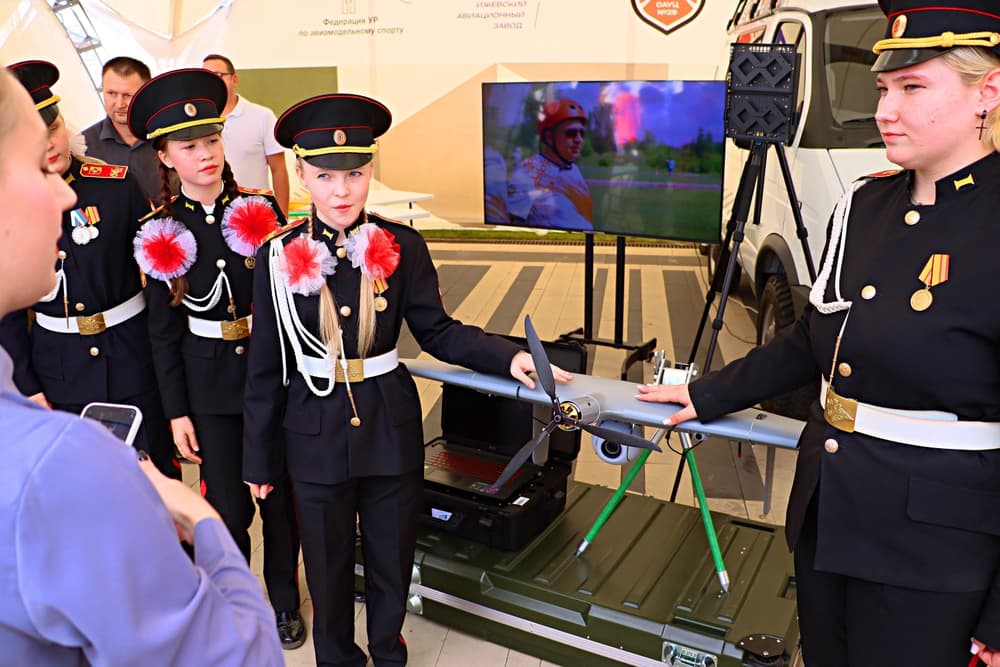
Graduations taking place in recent weeks in Russia have been marked not only by officials and members of Putin’s party, as has been the case for years, but also by “SVO veterans,” participants in the war in Ukraine. Authorities are increasingly recruiting young people from technical institutes to train them as drone operators.
Subscribe to the newsletter to receive verified news, analysis and insights from Asian countries every week.
Subscribeto the newsletter