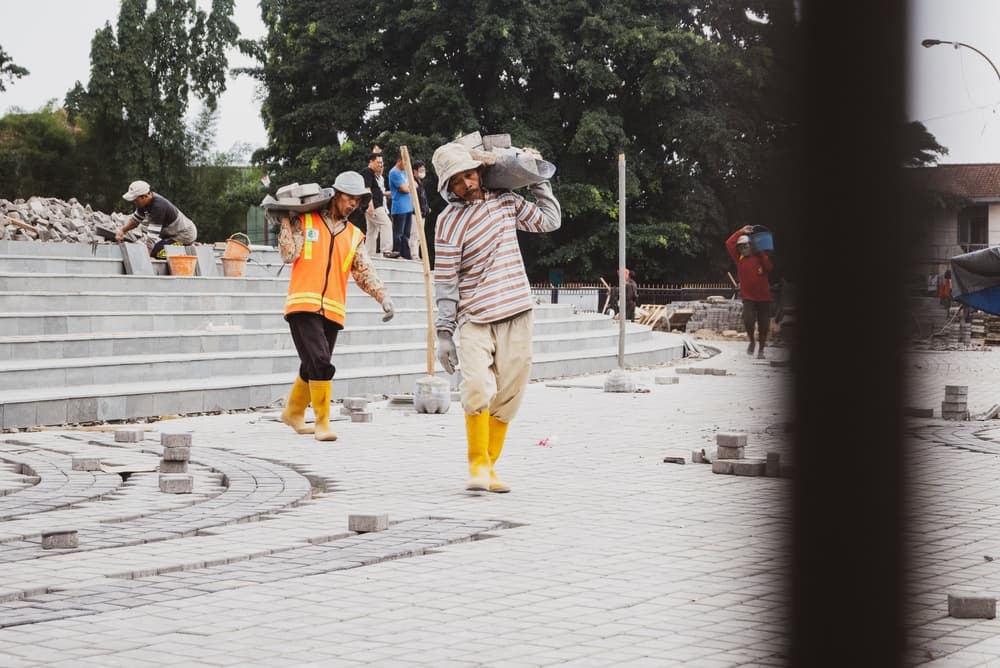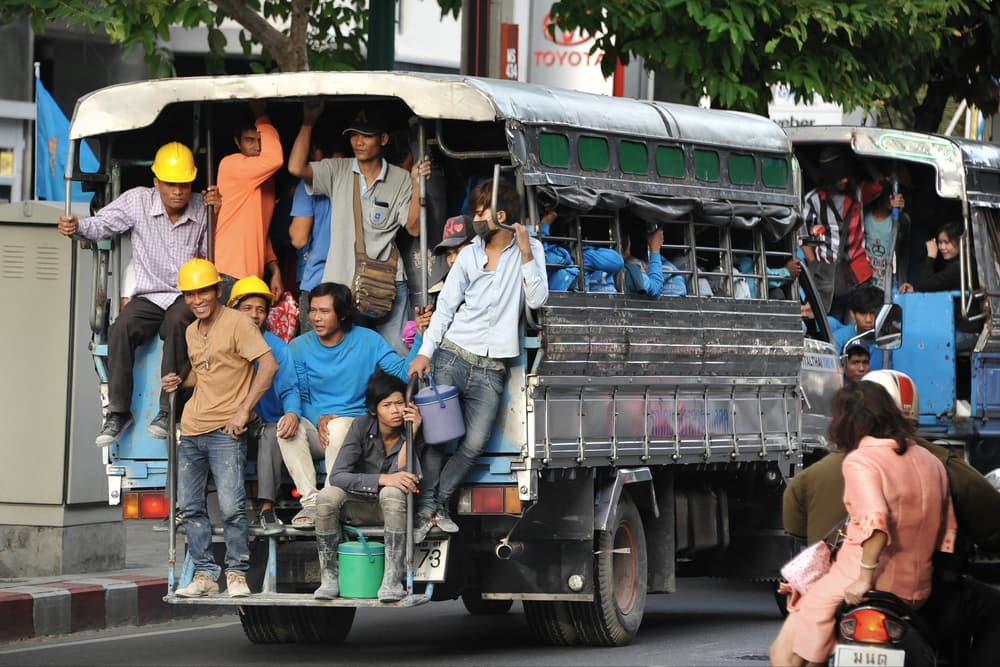
Faisalabad (AsiaNews) - Yesterday's May Day in many Asian countries was also marked by celebrations and politicians' words on work. In many cases heard with great bitterness in those realities where the rights and dignity of the person are less respected.
Speaking to AsiaNews, Fr Bonnie Mendes, a priest who has been on the front line of social struggles in Pakistan for decades, comments: "Like many other international days, for Workers' Day there are only symbolic declarations on the part of the government; but beyond this nothing concrete emerges. The trade unions do not exist and the Workers' Party is weak. The Church itself should make better use of the feast of St Joseph the Worker to reach out to workers: it is not enough to celebrate a Mass for the occasion. Today would be a public holiday in Pakistan, but we see so many people working even on this day to earn something for their families. Only good policies and their implementation could give hope for the future of workers".
Two concrete examples concern the rights of women working in the home and those working in semi-slavery conditions in brick factories. The executive director of the Association of Women for Awareness and Motivation (AWAM), Shazia George, renewed on the occasion of May Day the call to policy makers for the recognition of the status of women who work in the home for companies: "The inability of women homeworkers to access social security benefits and protection programmes," she explains, "underlines the urgent need for a comprehensive legal framework. Immediate attention is needed from the authorities and decision makers to safeguard the fundamental rights of these women workers'.
For his part, Asghar Shaheen, representative of Freedom Bhatta, the brick kiln workers' union, comments: 'Despite the presence on paper of a legal framework and a clear policy for brick kiln workers, they are often unable to receive the wages stipulated in the government's directive and do not have access to social security benefits. He urged the government to take immediate action to ensure compliance and protect workers' rights, particularly against the severe exploitation of child labour in the kilns, which requires swift and punitive action against those responsible.
Similar tones also characterised the stances on the May Day holiday among Tamil plantation workers in Sri Lanka. "Without the recognition of the fundamental rights of people working in the sectors that sustain the country's economy, the government's year after year celebrations are meaningless. It is questionable whether there is a 'moral right' to celebrate May Day in this way," denounces the Voice of the Plantation People Organisation (VOPP), the historic organisation founded in the Galle and Matara districts for the welfare of the Malaiyaha who have been living in Sri Lanka's southern province for two hundred years now.
'Work here means nothing but exploitation and does not enjoy any reasonable recognition, respect or consideration,' continues Voice of the Plantation People Organisation. 'We have no suitable houses to live in dignity, there is no legal right to land. Since only the Sinhala language is used in government offices and hospitals, Tamils find it difficult to get any services. Even today, non-plantation workers do not receive a daily wage commensurate with the current economy. Without any development programme, Malaiyaha women are forced to emigrate abroad and their children's lives are ruined'.