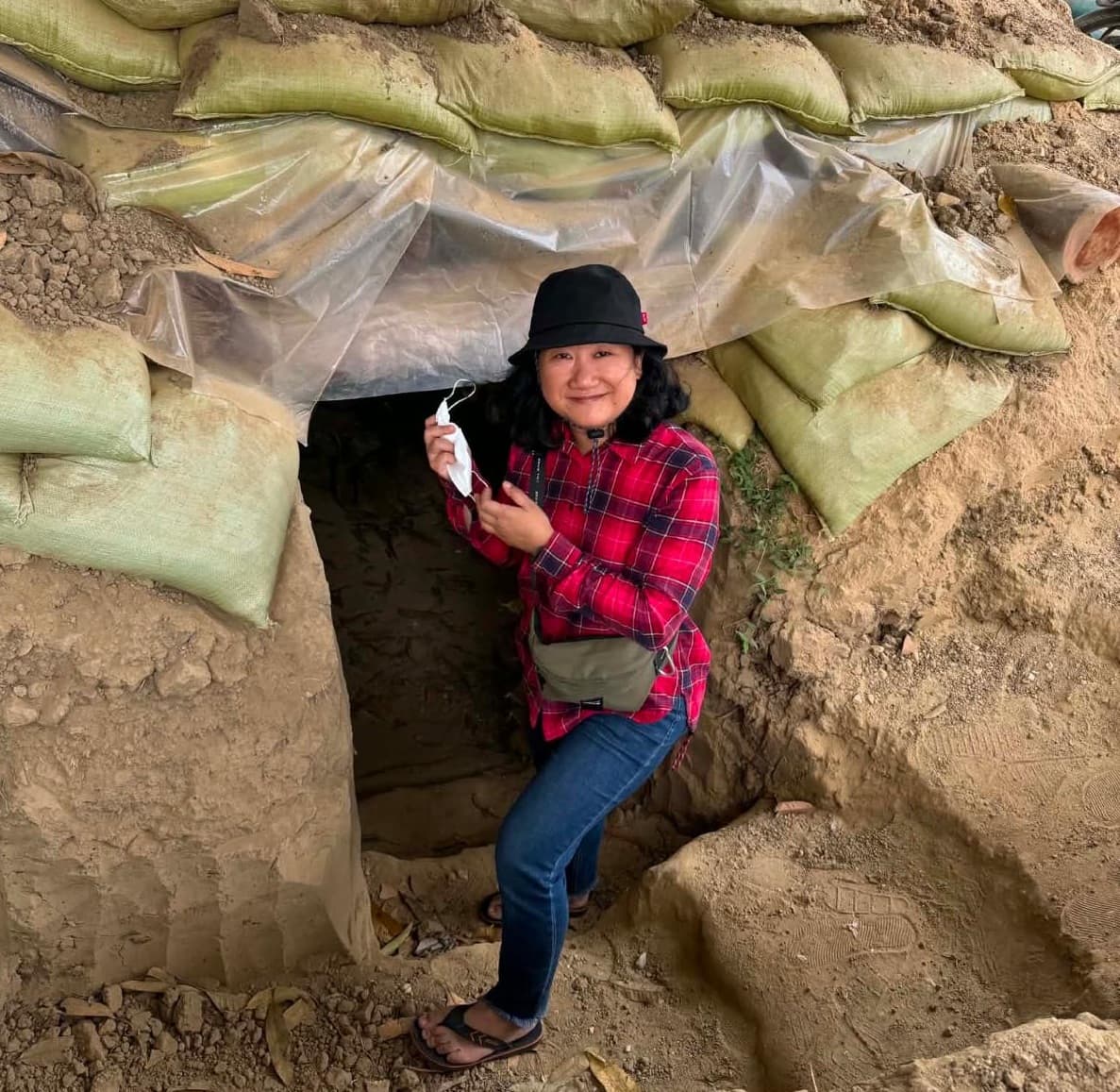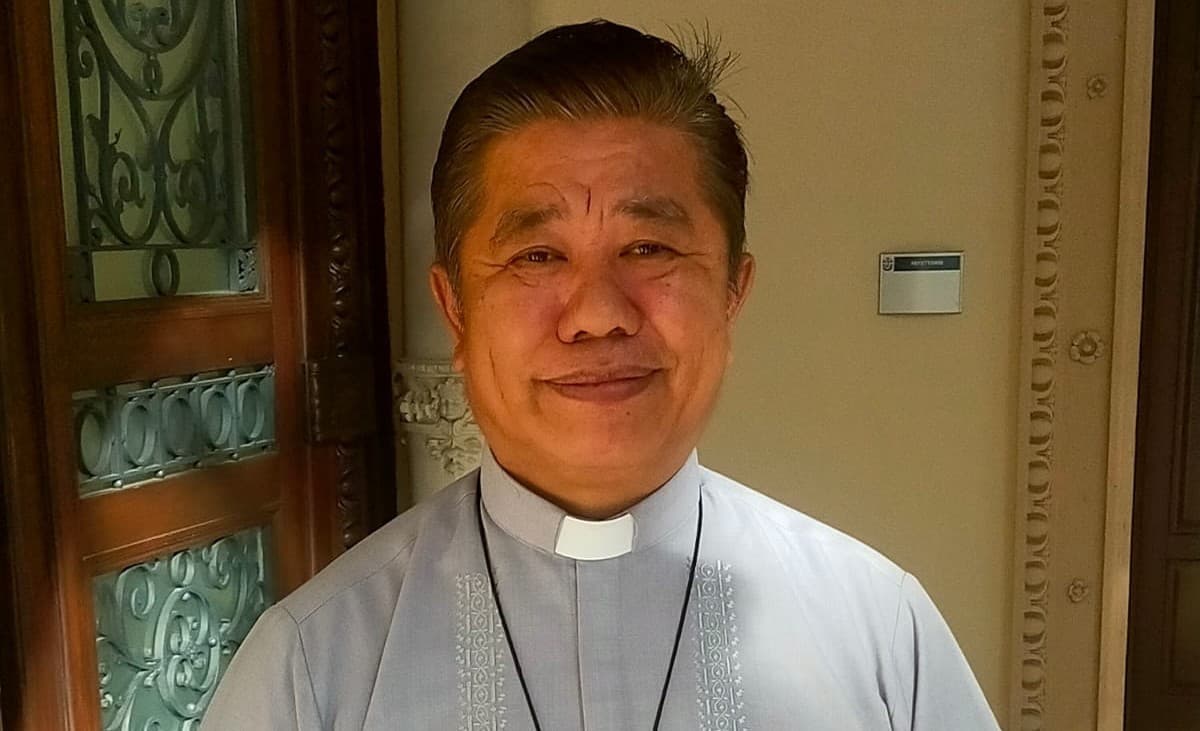
Father Nicholas Han Zaw Shing was thrown from his motorcycle and sustained several injuries. Ordained a few weeks ago, he has had to flee the military junta's bombings. The International Campaign to Ban Landmines, which reported the incident, said that both the Myanmar army and anti-coup resistance groups continue to plant explosives, creating the conditions for decades of further suffering.
The country is still embroiled in a civil war that has devastated the economy, displaced millions, and fragmented territorial control. Despite a show of strength in the recent elections, the military junta controls just 40 per cent of the territory. More than 20,000 opponents remain in prison, including Aung San Suu Kyi. Divisions among ethnic militias are rife. Disillusioned, the civilian population is paying the highest price.
Held in three phases between December and January, voting saw the victory of the military-backed party, taking almost all the seats according to the official tally. The outcome was a foregone conclusion, since the main opposition forces were excluded. Meanwhile, ASEAN, under the Philippine presidency, also discussed tensions in the South China Sea.
Civilians are hit in airstrikes in several regions of the country on the eve of the last phase of voting organised by the military junta. In the village of Kawngjar, Kachin State, an attack left at least 22 dead during a funeral prayer. Other raids struck Magway and Sagaing. Condemned by much of the international community, the electoral process was marred by intimidations, while areas controlled by resistance forces were excluded from voting.
A human rights organisation has filed a complaint in Dili against Myanmar’s military junta for crimes against humanity. The choice of East Timor, a recent ASEAN member with its own history of occupation and violence, opens a new legal front in Southeast Asia. Myanmar’s military have responded with a diplomatic protest, accusing East Timor of violating the principle of non-interference enshrined in the ASEAN Charter.
The second phase of the general elections promoted by Myanmar's military junta took place on 11 January. Voting also reached disputed areas and conflict zones, where the military threatened civilians and made accusations of coercion. According to the United Nations and independent observers, the process lacks democratic credibility and represents an attempt to gain international legitimacy for a regime that continues to rule by force.