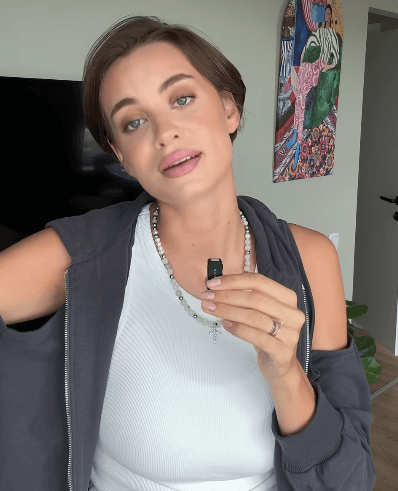
The 68-year-old Russian sociologist is one of Putin's most prominent political prisoners, but he was already one in Brezhnev's USSR. From prison, he says he feels freer to express his opinions. He is serving a five-year sentence for ‘justifying terrorism’ in reference to his criticism of the war. His health is deteriorating in prison.
Baku is one of the first candidates to form a decisive link in this new chain. US interest in the post-Soviet region has increased since Russia's invasion of Ukraine. Washington wants to forge an anti-Chinese axis stretching from Israel to India. An economic, political and even military alliance to counterbalance the anti-Western axis of Moscow and Beijing.
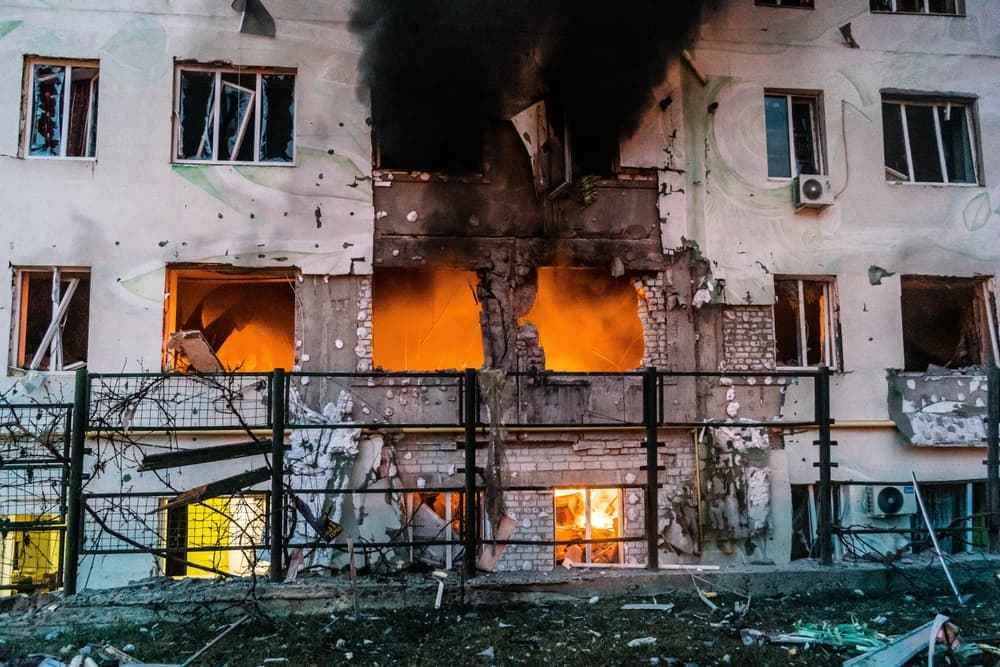
Scandals in Kyiv are increasingly intertwined with frequent discussions about Zelensky's departure from power. Justice, transparency, “purity”, and the punishment of the guilty appear to be the priorities under the mounting rubble of war.
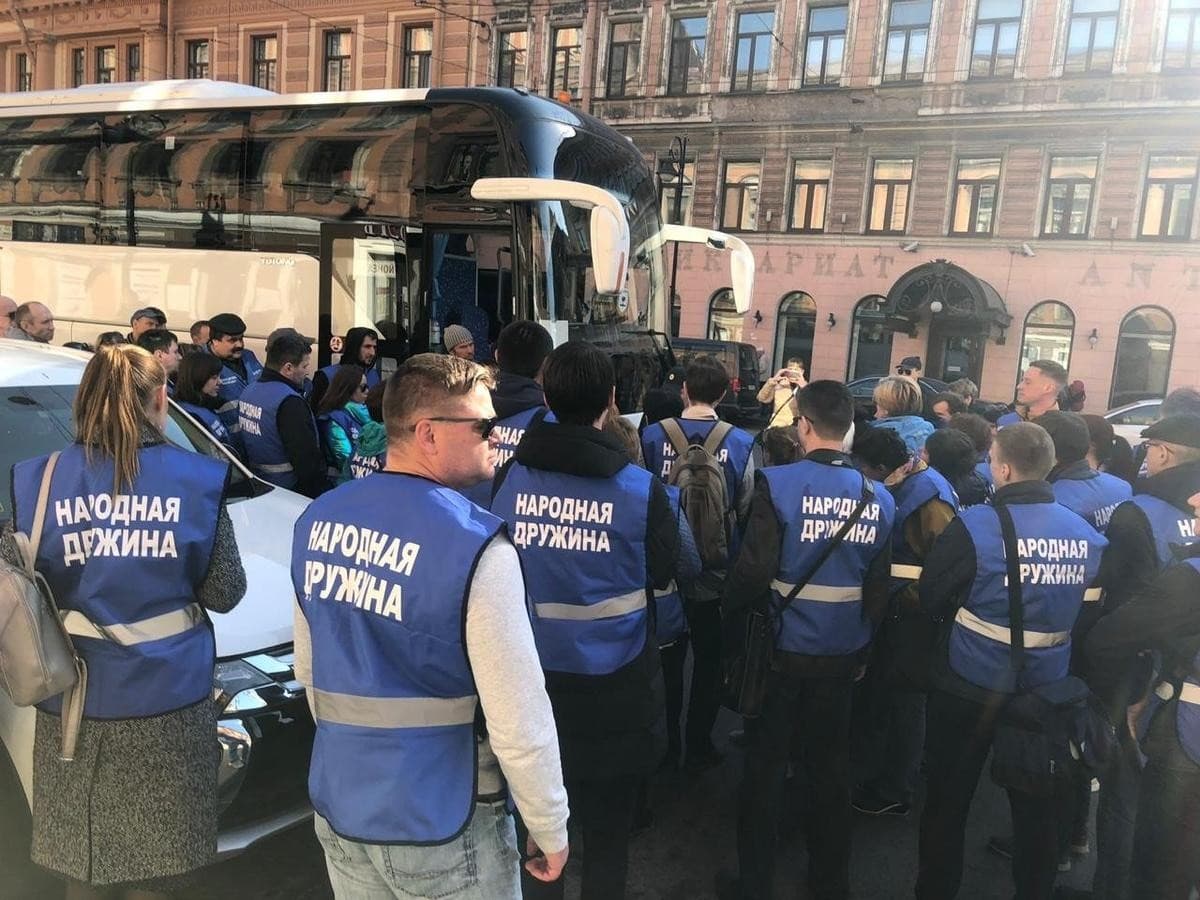
In an article, the head of the presidential administration for monitoring and analysing social processes condemns those who theorise about ‘a completely post-Russian state’. He announces the imminent approval of a new law on patriotic education, which will involve all organs of power, educational institutions and other social structures of the state.
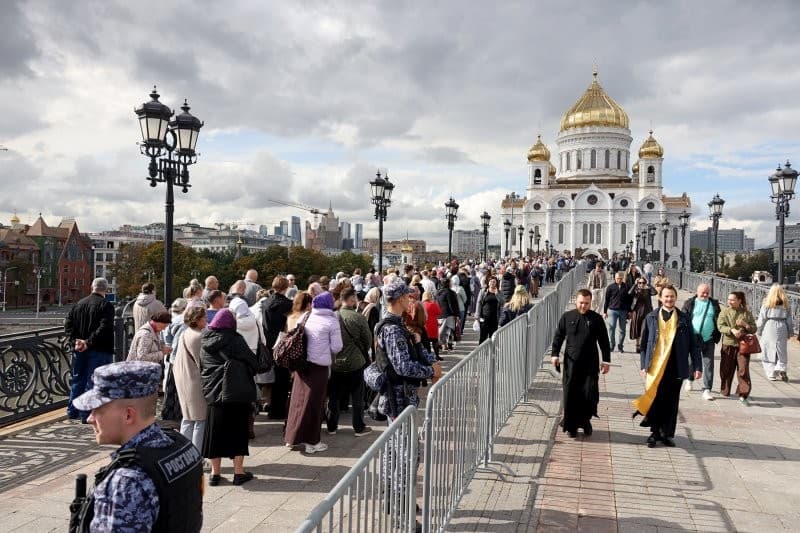
Believing in Russia does not automatically mean believing in God and religious dogmas, belonging to the Orthodox Church does not necessarily mean attending liturgical celebrations, and supporting “traditional values” does not automatically translate into accepting the dictates of the catechism.
In 2017, the parish priest of the Svjato-Onežskij cathedral on the Russian Arctic coast began negotiations with the Norwegian mayor of Vardø to build a Russian Orthodox chapel on the fishing island. But when the plans included an imposing 17-metre-high building in the middle of NATO's large radar installations, the city council refused to grant permission despite generous Russian offers of subsidies.