Iran is blocking with missiles and mines the strait through which 20 per cent of global crude oil transits. After China, India and Bangladesh are trying to get Iran’s approval for their ships to avert a crisis. According to EIA data, up to 82 per cent of oil going through Hormuz reach Asian markets. Starting 16 March, Tokyo intends to release part of its oil reserves on its own.
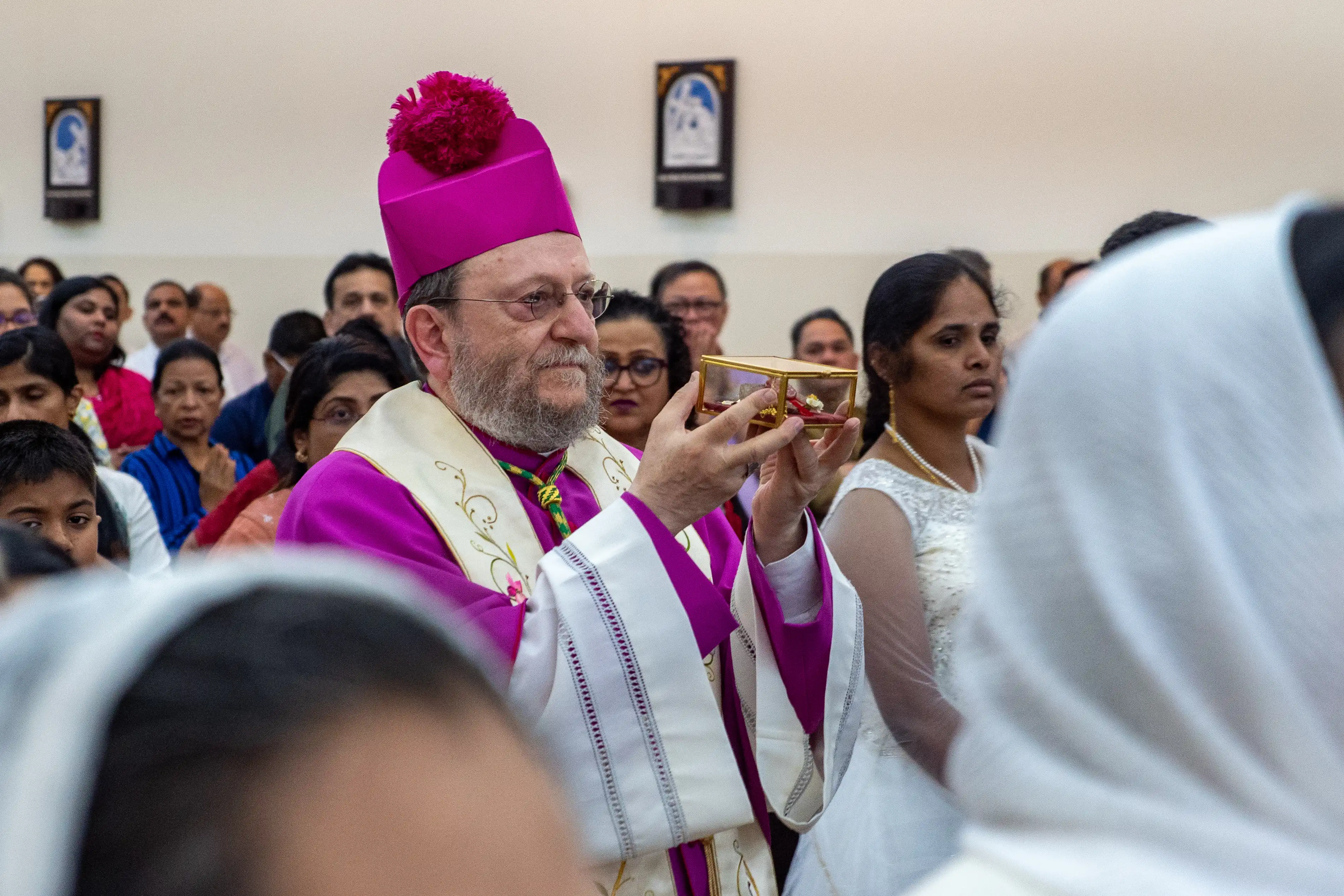
From the Emirates, Bishop Martinelli reports a situation that "seems largely under control," although "apprehension" remains over the escalation between Israel and the United States against Iran. The Abrahamic Family House is temporarily but necessarily closed, but hopefully it “can be reopened soon.” Prayers are offered for the victims in the migrant population.
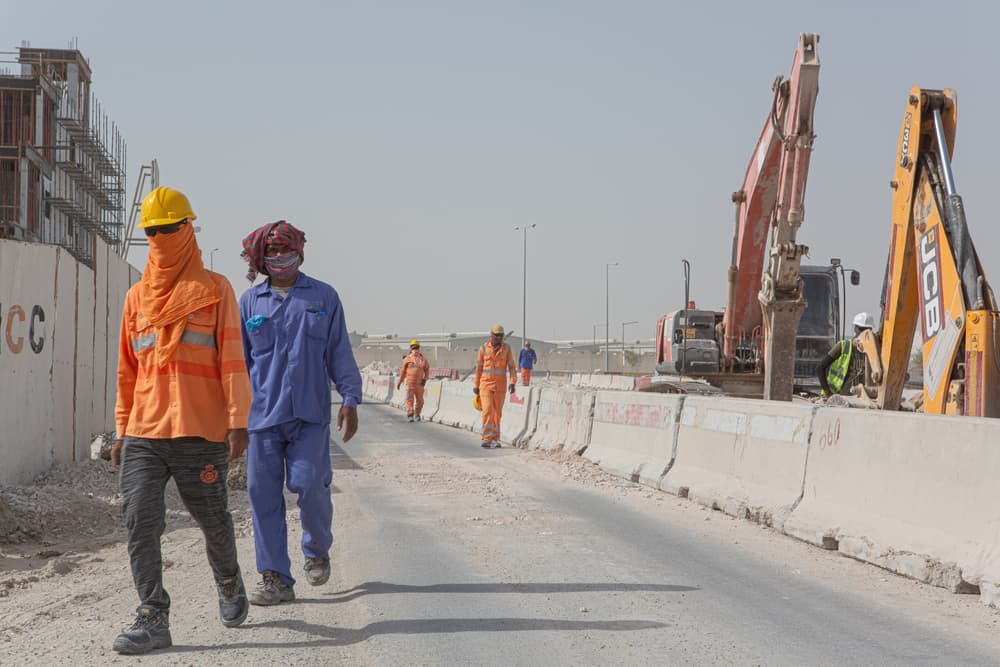
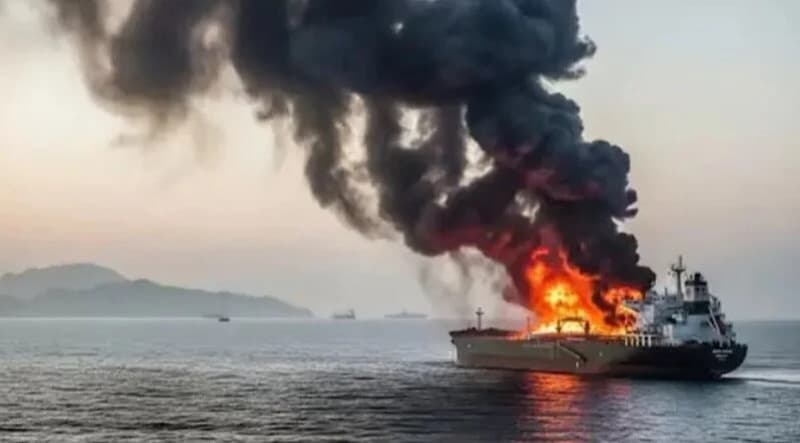
There have already been several victims among the many expatriate communities. The first death in the Jewish state from an Iranian missile was that of a Filipino caregiver. The conflict has also spread to the seas, with a seafarer killed on an oil tanker off the coast of Oman. A Pakistani, a Nepalese and a Bangladeshi citizen are the three people killed in the United Arab Emirates.
The attacks launched by Israel and the United States on the eve of Purim and Iran's retaliation against US bases in the region have already claimed the life of one Asian immigrant, a Pakistani national working in Abu Dhabi. In India, the opposition has criticised Modi, who has just returned from Israel. Indonesia’s Prabowo (who promised soldiers for Gaza) offers to mediate. China ponders the repercussions.
Tensions have been triggered by the new map presented to the UN by Baghdad, which redefines sovereignty in a disputed area. Two strategic areas (Fasht Al Qaid and Fasht Al A'aij) over which Kuwait exercises sovereignty are in the spotlight. At stake are economic, historical and social issues, as well as the definition of strategic trade corridors.
The award was also given to the leaders of Armenia and Azerbaijan for their peace process and to the Palestinian NGO Taawon for its humanitarian work. In his message, Pope Leo XIV said that fraternity is “not a distant ideal, but an urgent necessity.” Yaftali’s work for girls’ education, which has been severely restricted under the Taliban after they returned to power in 2021, was recognised. Her appeal is for the world not to forget Afghan women.