Armenia

Featured article

Moscow’s role in the new, sovereignty-seeking Caucasus

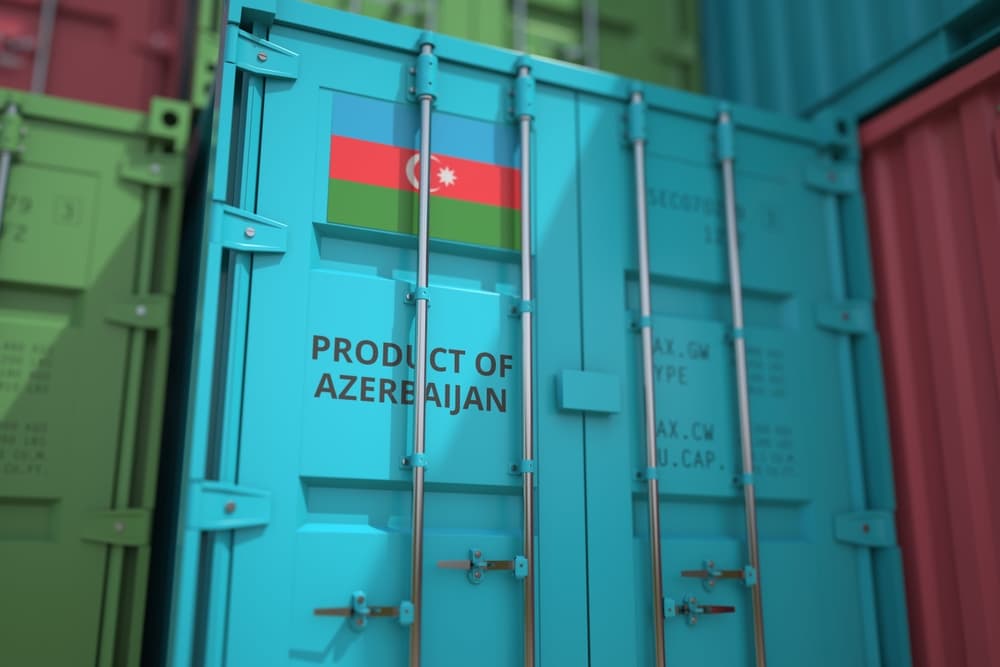
As Armenia, Azerbaijan, and Georgia undergo restructuring, the balance of power shifts, spanning everything from politics to infrastructure. Moscow maintains complex, multifaceted relationships with Baku, Yerevan, and Tbilisi, with the ultimate outcome proving “crucial” for the region. The International North-South Transport Corridor is strategic for supply chains.
  • Armenia’s future, between East and West

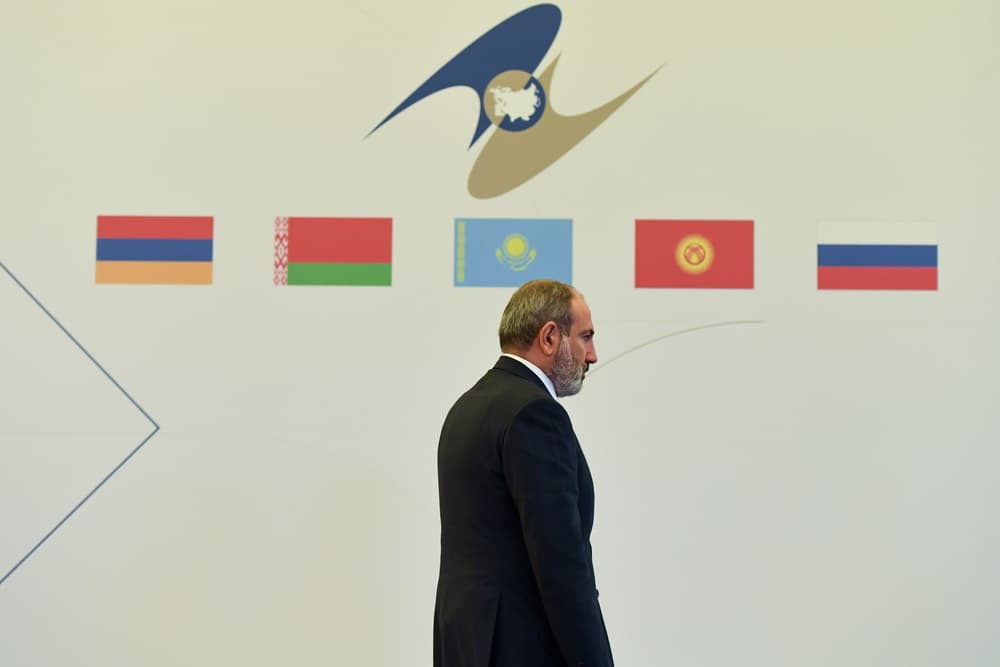
    In addition to Russia, Armenia’s prime minister is looking to China and India to boost the country’s development. New Delhi plays an important role in military-industrial and security matters. China is looking for Armenian raw materials. In the background, ties with the European Union (along with the United States) remain the primary political objective.

  • Ancient Assyrian artefacts unearthed in Armenia

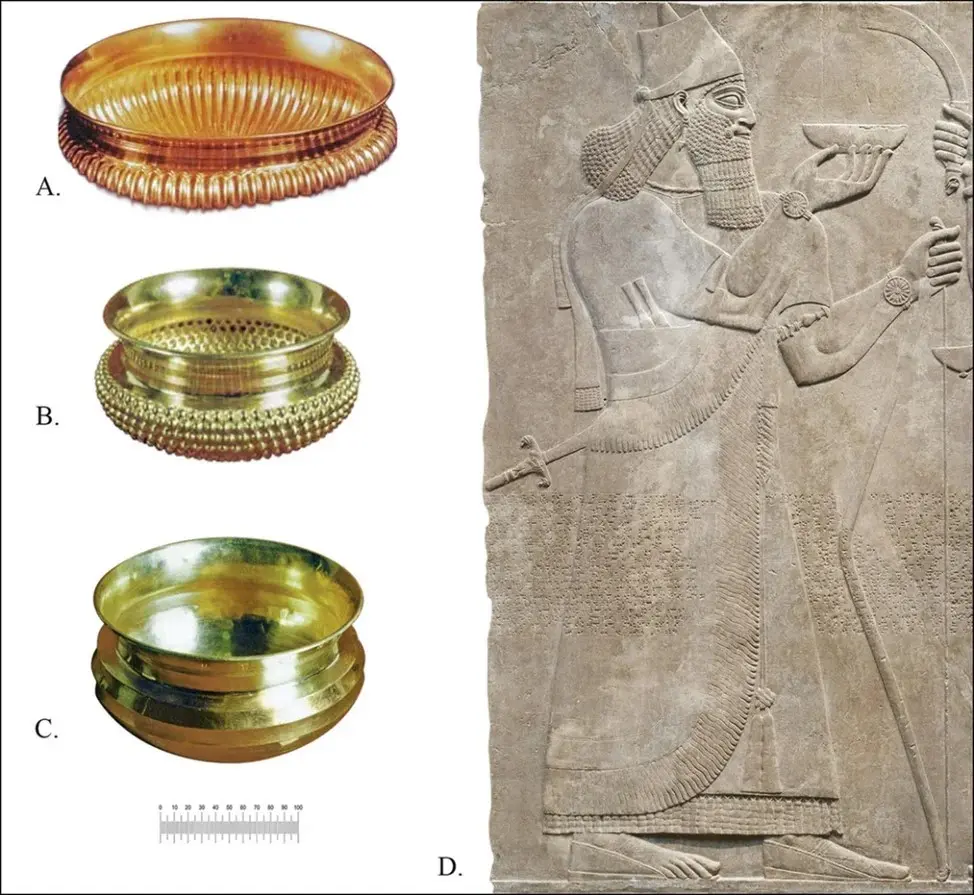
    An ancient collection of bronze cups dating back over 2,600 years has been discovered at Karmir Blur. These extraordinary artefacts are linked to the ancient kingdom of Urartu, which is believed to correspond to the biblical Mount Ararat. These ancient dynasties are regarded by the Armenian people as part of their national identity.

  • Armenians oppose the weaponisation of genocide in the war between Netanyahu and Erdoğan

    On Sunday, the Israeli cabinet approved a proposal for formal recognition of the genocide, which now goes before the Knesset, the Israeli parliament, for a vote. This has sparked criticism in Turkey and Azerbaijan. For Armenians, it is a political move that reflects current tensions and conflicts. For Kegham Balian, an activist with “Save The ArQ,” Israel’s action is an "insult to the memory" of the 1.5 million murdered by the Ottoman Empire.

  • Relations between Moscow and Yerevan following Pashinyan’s victory

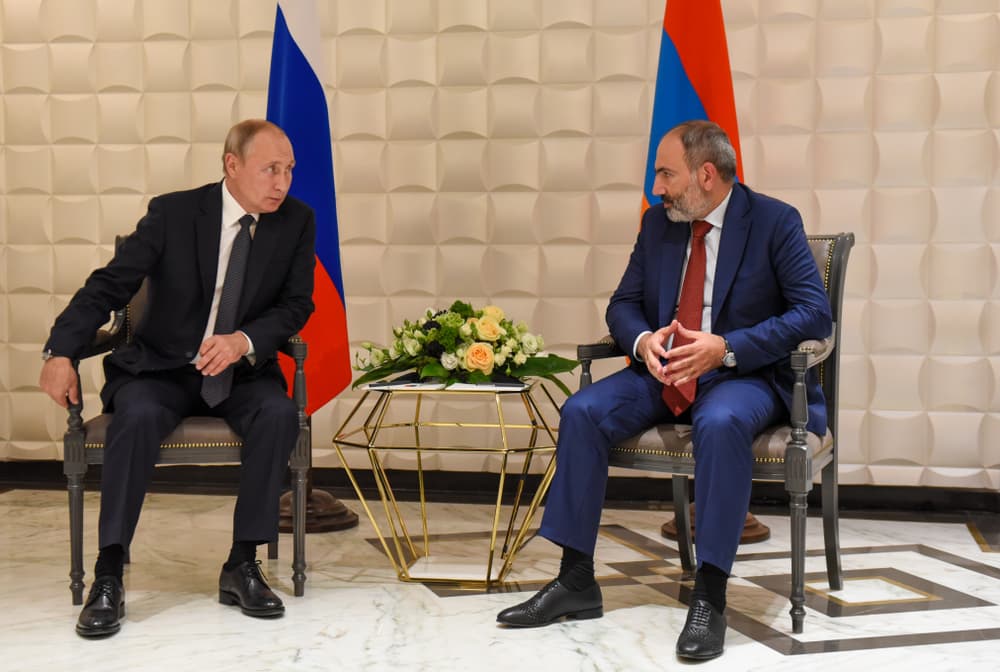
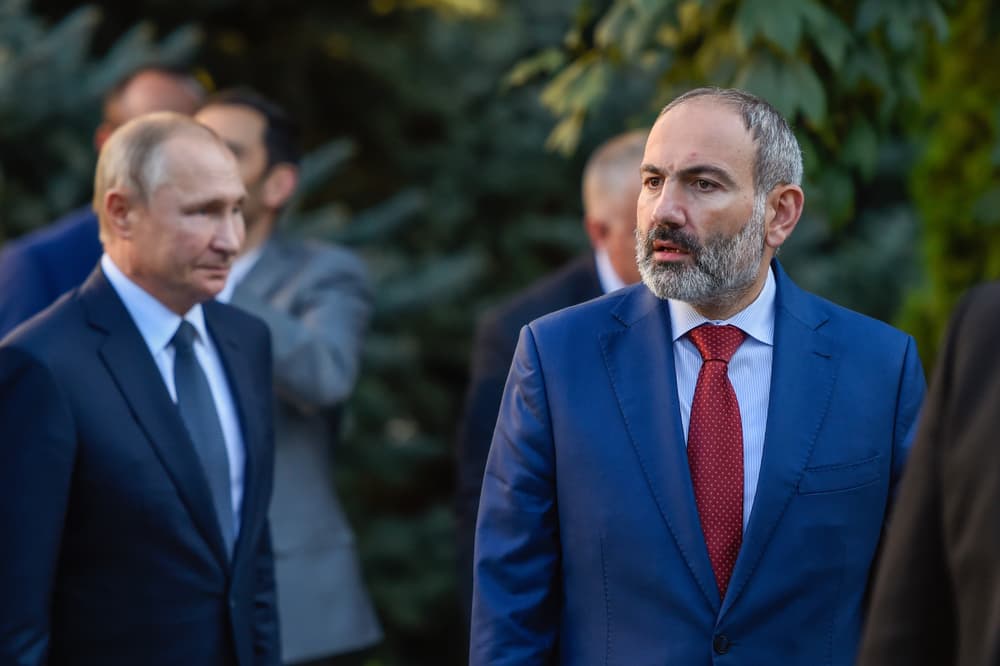
    The electorate’s pro-European choice in the 7 June vote was accompanied by the election of the largest number of pro-Russian MPs since 2018. Putin nevertheless aims to influence the prime minister’s policies, with whom he maintains open channels of communication. And the polls themselves suggest that Armenians do not want the partnership with Brussels to be at Moscow’s expense.

  • Elections in Armenia: Between East and West

    The vote on 7 June in Yerevan is set to resolve the turbulent domestic political situation, either ushering in a new phase oriented towards Europe or bringing the country back under Russian control, whilst seeking to avert civil war between the various factions of the Armenian people. Meanwhile, the current Prime Minister Pashinyan has indicated that he intends to meet Putin immediately after the vote.

  • Russia threatens Yerevan

    At the recent European summit in Armenia, attended by Zelenskyy and marked by a clear desire to strengthen relations with the European Union, Putin responded by warning Armenia not to follow in Ukraine’s footsteps. These are weighty words in a country preparing to go to the polls on 7 June for extremely sensitive parliamentary elections.

  • The Destruction of Armenian Heritage in Artsakh

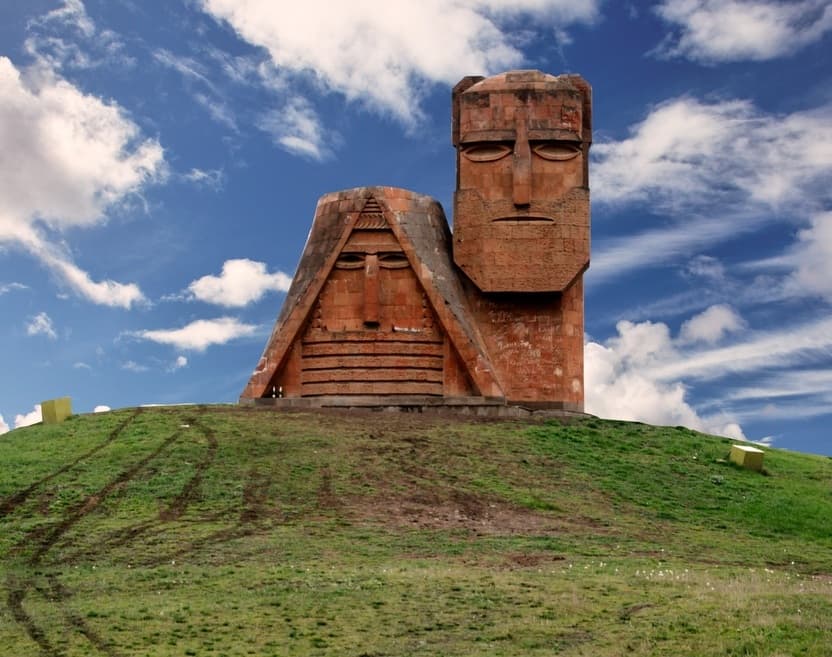
    From the Stepanakert Cathedral to Tatik-Papik—the monument on the hill symbolizing the unbreakable bond between Armenians and Nagorno-Karabakh—the destruction by Azerbaijani vandals continues, as they demolish churches, steles, and other objects of historical and cultural value to completely erase the identity of others. With no significant reaction from the international community (or from the Yerevan government itself).

  • The Symbols of Armenian Easter

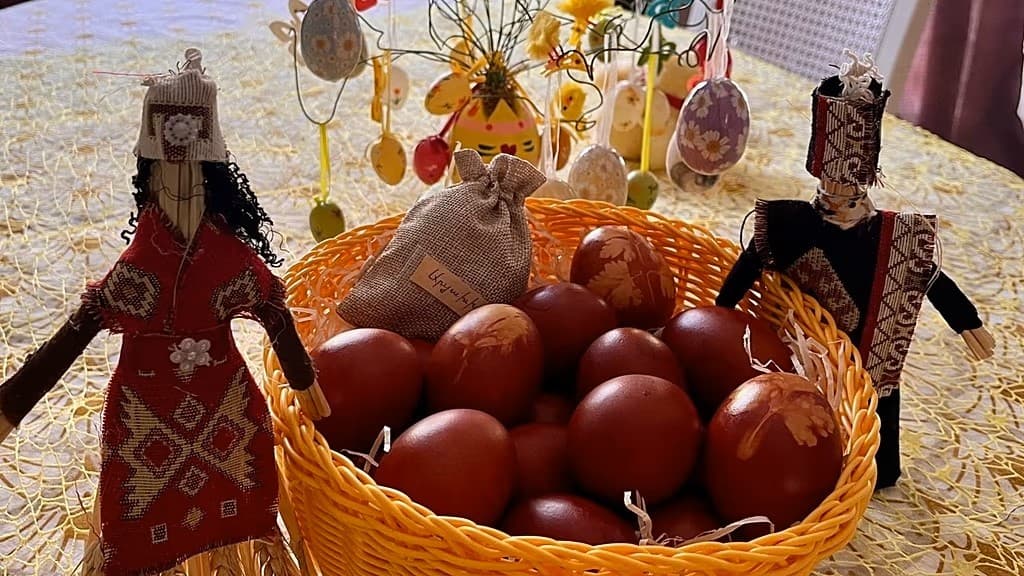
    Like all Eastern Churches, Christians in Armenia are preparing to celebrate the resurrection of Jesus on Sunday 12th, reviving ancient customs such as holding eggs in their hands as they make their way to the Easter Vigil. Among the deeply meaningful rites is the Andastan, with the blessing of the four cardinal points to symbolise the rebuilding of a new world founded on faith and unity.

  • The Armenian alphabet in Strasbourg, an act of diplomacy and identity

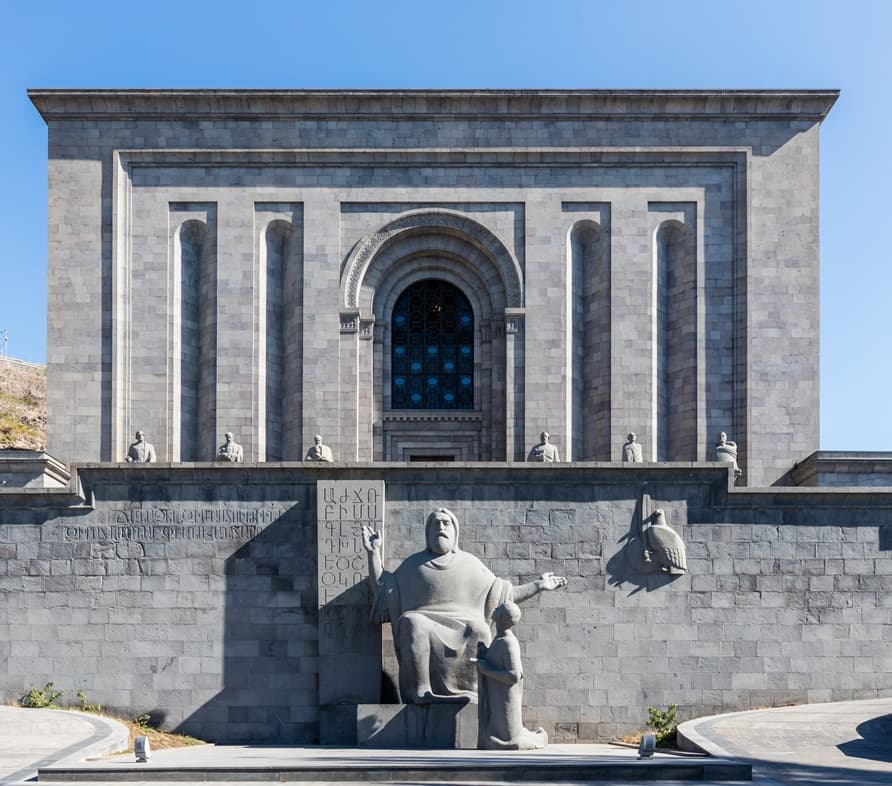
    Pašinyan's government will place a sculpture dedicated to the writing created by the monk Mesrop Mashtots to translate the Bible in an area adjacent to the European Parliament headquarters. A symbol of national pride, resilience and the deep bond between faith and culture in the first Christian nation in history. It is also a political message about the current leadership in Yerevan's view of Europe.

  • Russians protest Armenian conflict between Church and State

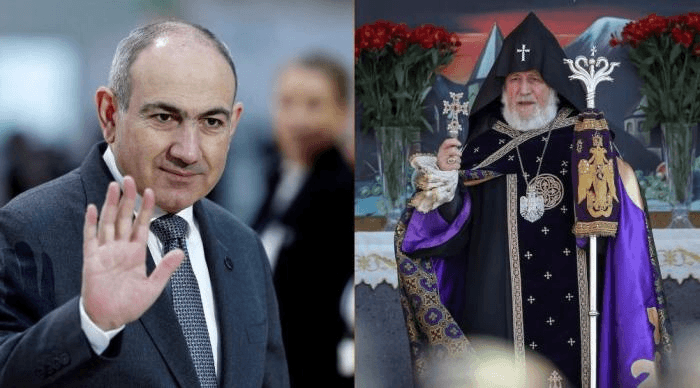
    In the city of Armavir, a thousand Armenians took to the streets wearing red armbands to support the bishops and priests imprisoned in the clash between Pashinyan and the Apostolic Church. Moscow views these initiatives with sympathy, concerned about the pro-Western initiatives of the current government in Yerevan that call into question Russia's role as traditional guardian.

AsiaNews Weekly
News from Asia that matters

Subscribe to the newsletter to receive verified news, analysis and insights from Asian countries every week.

Subscribeto the newsletter
  • P.I.M.E. Centro Missionario
  • Agenzia Fides
  • P.I.M.E. Brasil
  • Radio Mondo
  • Mondo e Missione
  • P.I.M.E. U.S.A.
  • TV 2000