At the trial for the attempted imposition of martial law in December 2024, special prosecutors have requested the maximum sentence for the deposed former head of state. A verdict is expected in February. South Korea has not carried out capital executions since 1997. The precedent was set with Chun Doo-hwan, whose death sentence was commuted to life in prison (followed by a pardon).
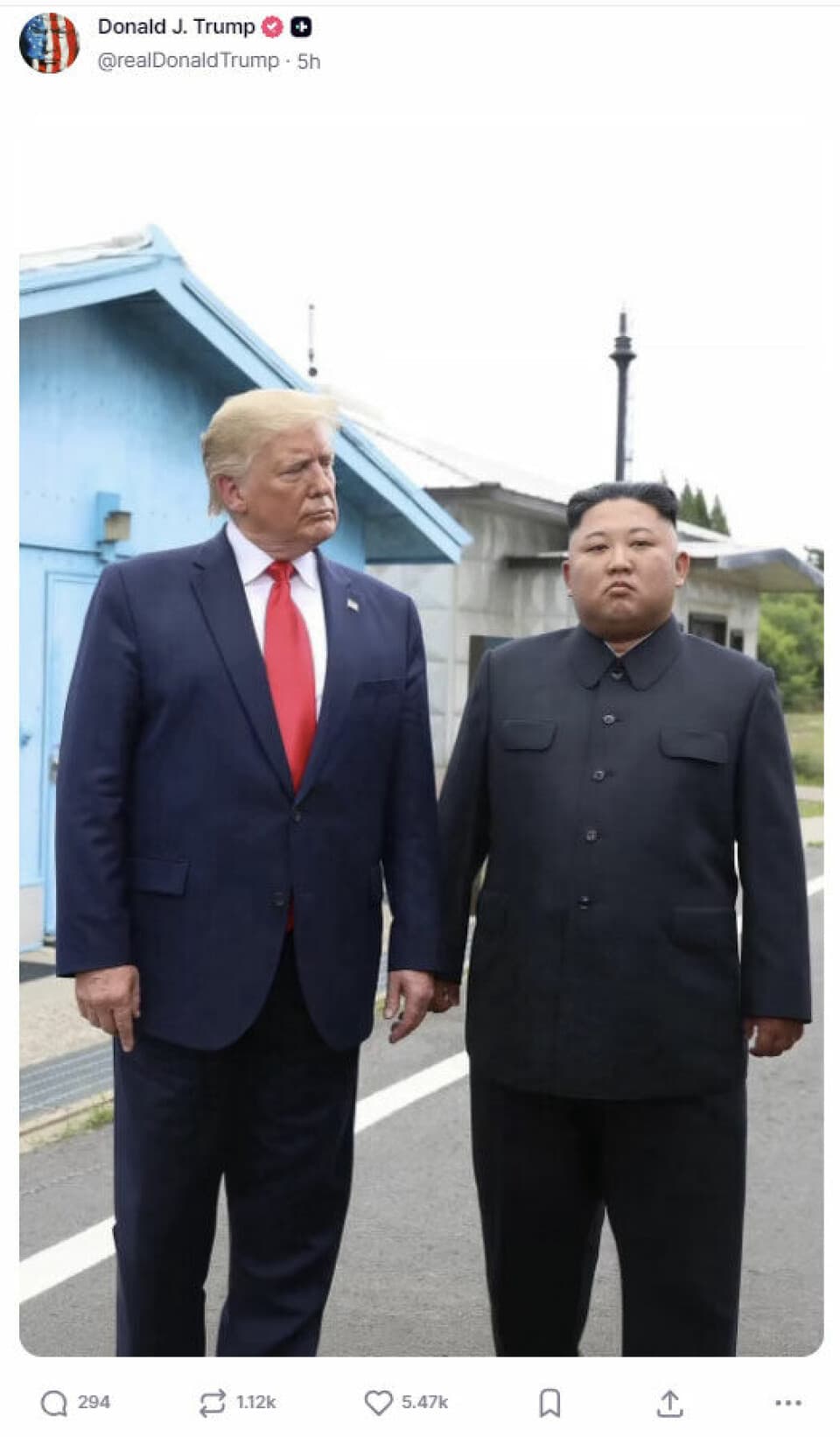
The South Korean president's trip to China marked a significant diplomatic rapprochement between Seoul and Beijing after years of frostiness, but leaves fundamental strategic issues unresolved. Despite attempts to engage on the Pyongyang dossier, the Chinese government avoids any reference to denuclearisation. Economic agreements signed by Korean conglomerates on rare earths and strategic minerals
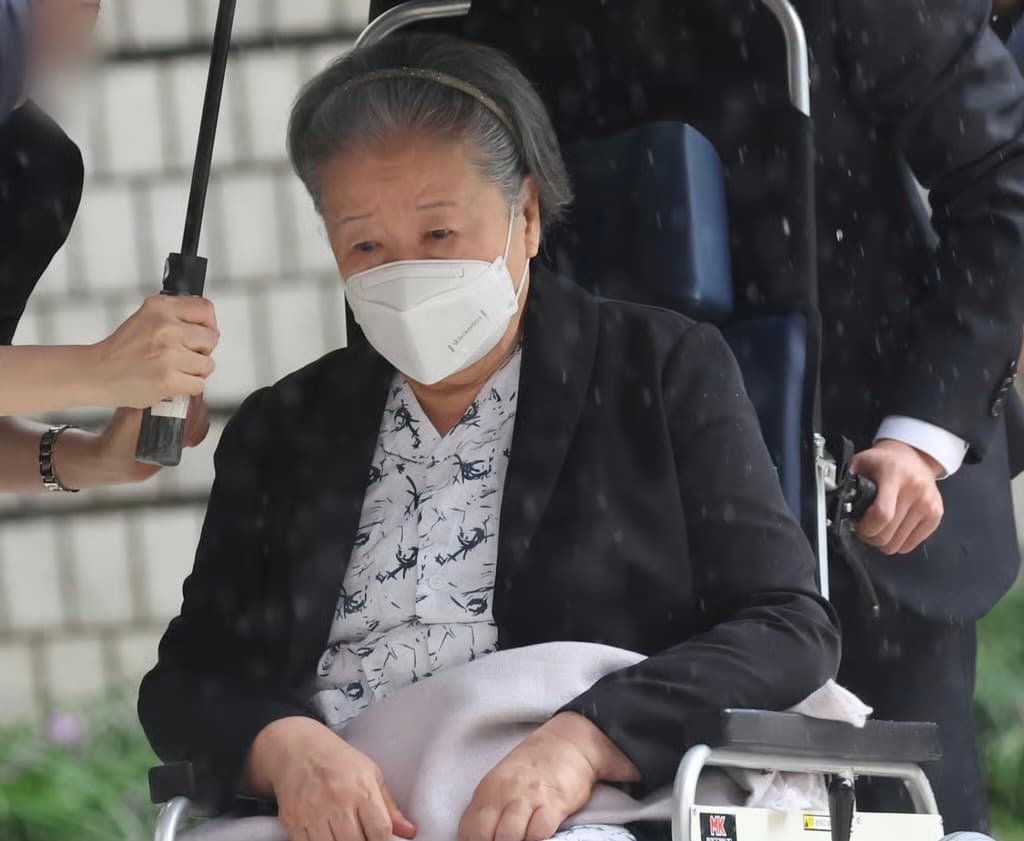
Twelve months after the dramatic night when his predecessor Yoon tried to impose martial law, the current president praises the resilience of South Korean democracy and nominates the Korean people for the Nobel Peace Prize. Twenty-five members of parliament from the then ruling party also issued a public apology. Meanwhile, the trials continue: 14 years sought for corruption for the former first lady.
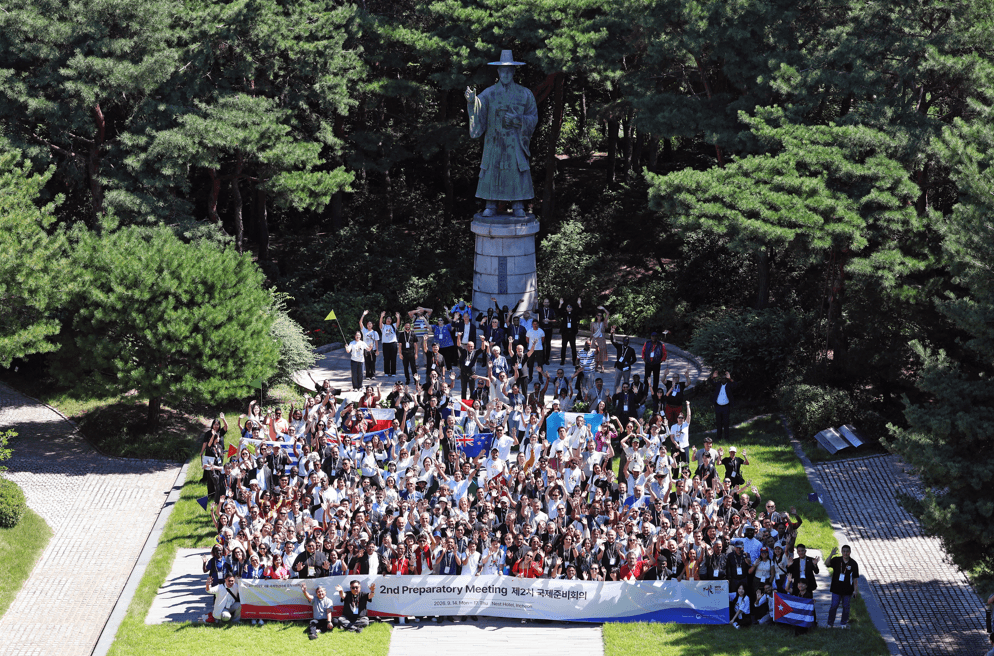
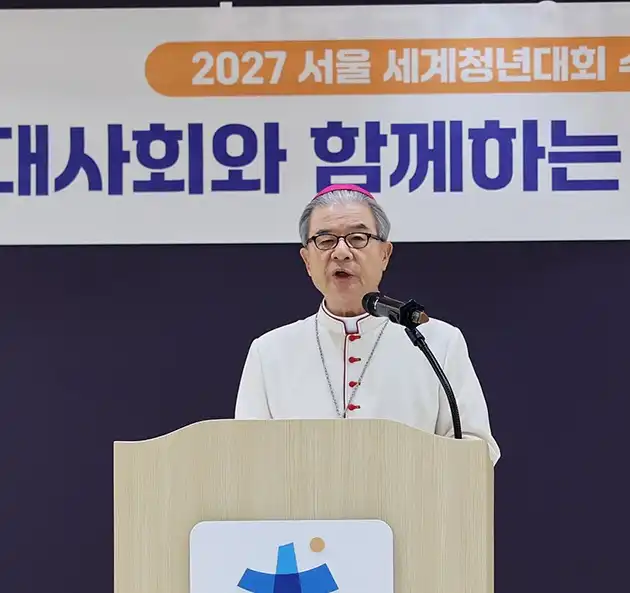
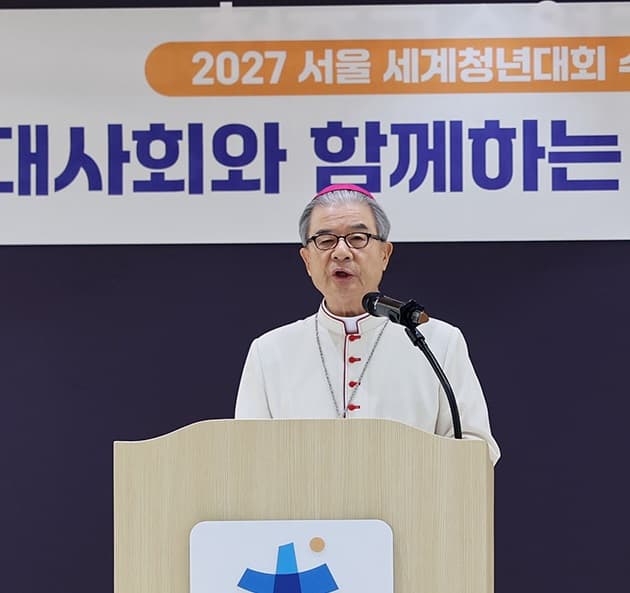
Published yesterday, on the Solemnity of Christ the King, the text is the result of a synodal process involving bishops, young people, religious and laity. Inspired by the theme ‘Be courageous: I have conquered the world!’, it recalls Christ's victory, the origins of the Korean Church and the action of the Holy Spirit. It will accompany young people and the universal Church towards the 2027 meeting.
This year marks the fortieth anniversary of the initiative by local Catholic communities dedicating the last Sunday of the liturgical year to the relationship between the faithful and Sacred Scripture. According to some statistics, 36 per cent of Catholics regularly read and meditate on the Bible (half the rate of Protestants). South Korean dioceses offer many online programmes, catering to young people as well as senior citizens.
An 18-year-old man died of cardiac arrest after he was turned away by several hospitals due to a lack of paediatric specialists. The case reignites the debate over the severe shortage of medical doctors in South Korea, which former President Yoon Suk-yeol had tried to address, but which specialists opposed in a lengthy strike. Paediatrics, in particular, faces serious issues due to the country's low birthrate.