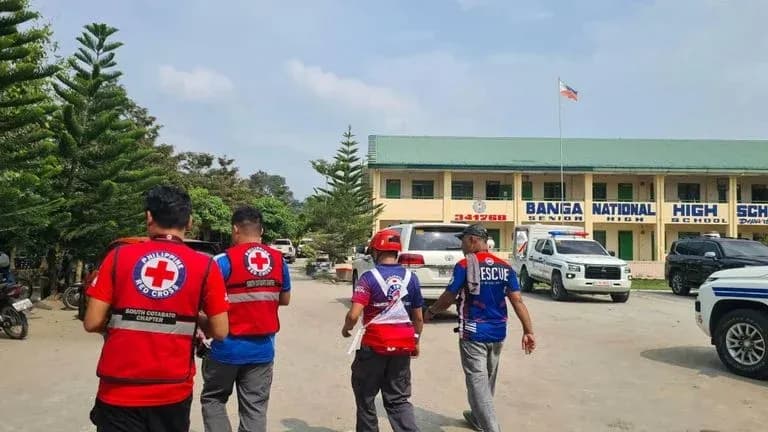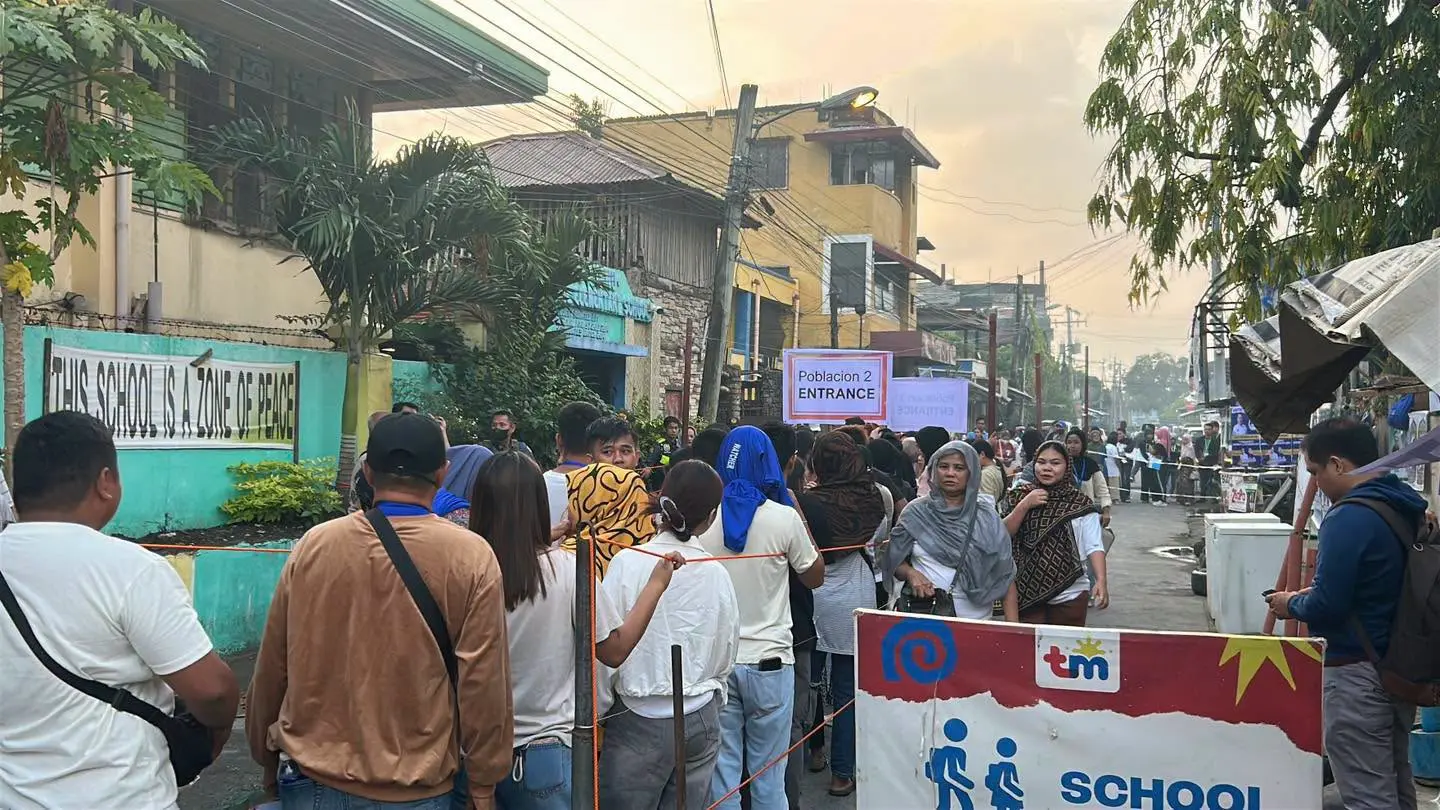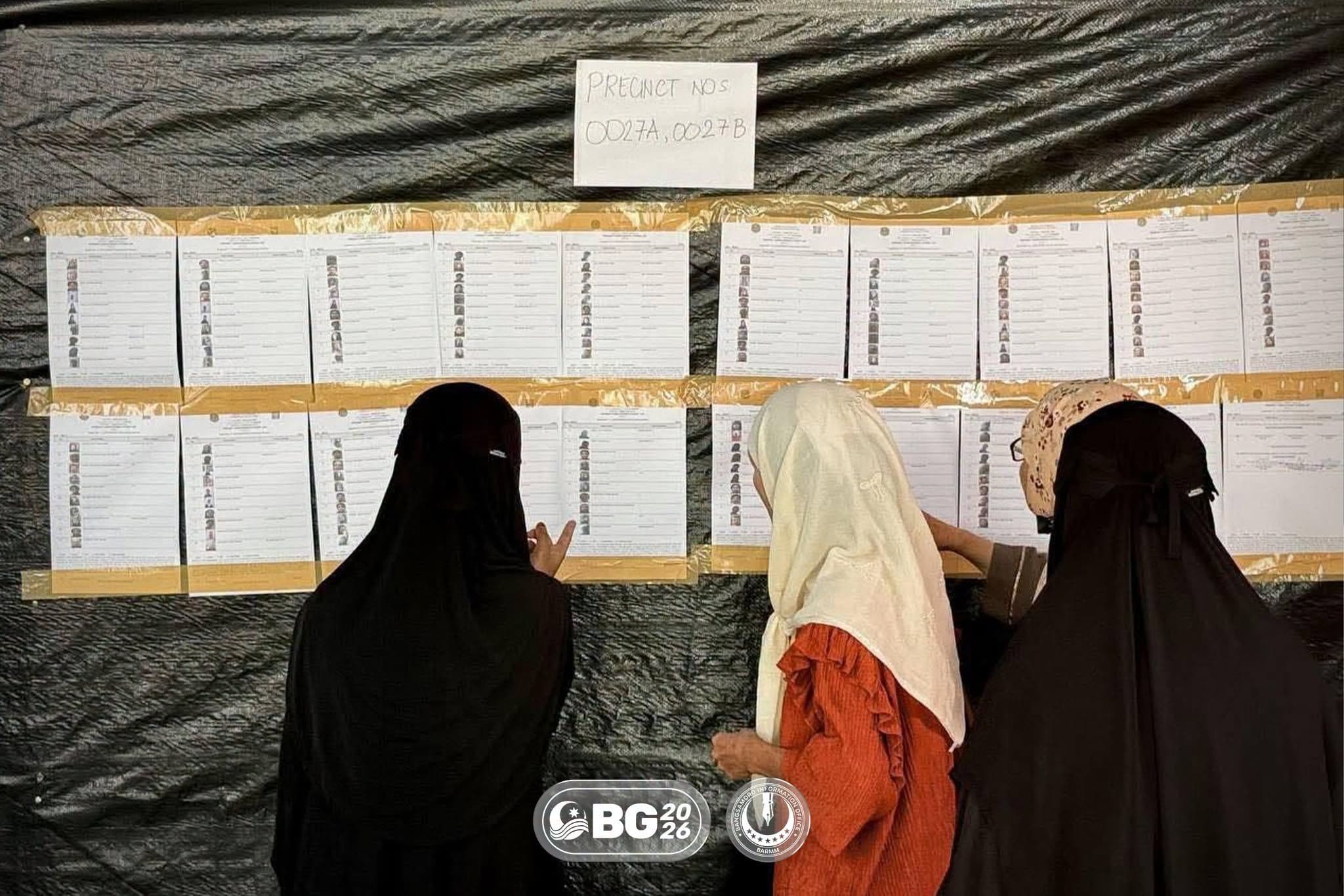
President Marcos Jr. signed Muslim Mindanao law, establishing the rules for long-delayed elections. Starting in 2031, local elections will align with nationwide voting. The Bangsamoro Transitional Authority (BTA) welcomed the process towards full democratic transition; for Chief Minister Macacua, “this election marks the full exercise of the people’s sovereign will.”
Malaysian political groups slam Philippine lawmaker Robert Padilla's claim to the Malaysian state in northern Borneo and warn of the risk of tensions within ASEAN. The statement on the oil- and gas-rich region comes as the Philippines is in the throes of an energy crisis. This has reignited a dispute that dates back to the 19th century.
The Philippines, which this year holds the rotating presidency of the organisation representing Southeast Asian countries, announced the cancellation of on-site events, except for the two summits of heads of state and government in May (Cebu) and November (Manila). The COVID-19 pandemic set a precedent. Some Philippine lawmakers are calling for some ASEAN funds to be allocated to anti-crisis measures.
The archipelago is among the countries most exposed to the blockade in the Strait of Hormuz. To cope with the challenge, Manila is seeking supplies of one million barrels per day in the region, and is requesting exemptions to access sanctioned producers. Lorry drivers, commuters, and consumers are staging protests.
The Philippines depends almost entirely on the Persian Gulf for its oil needs. Today's severe crisis is forcing Manila to seek an agreement with Beijing for relief on fuel and fertiliser supplies. Yet both countries are loggerheads over the sovereignty of an area of the South China Sea rich in untapped oil and natural gas.
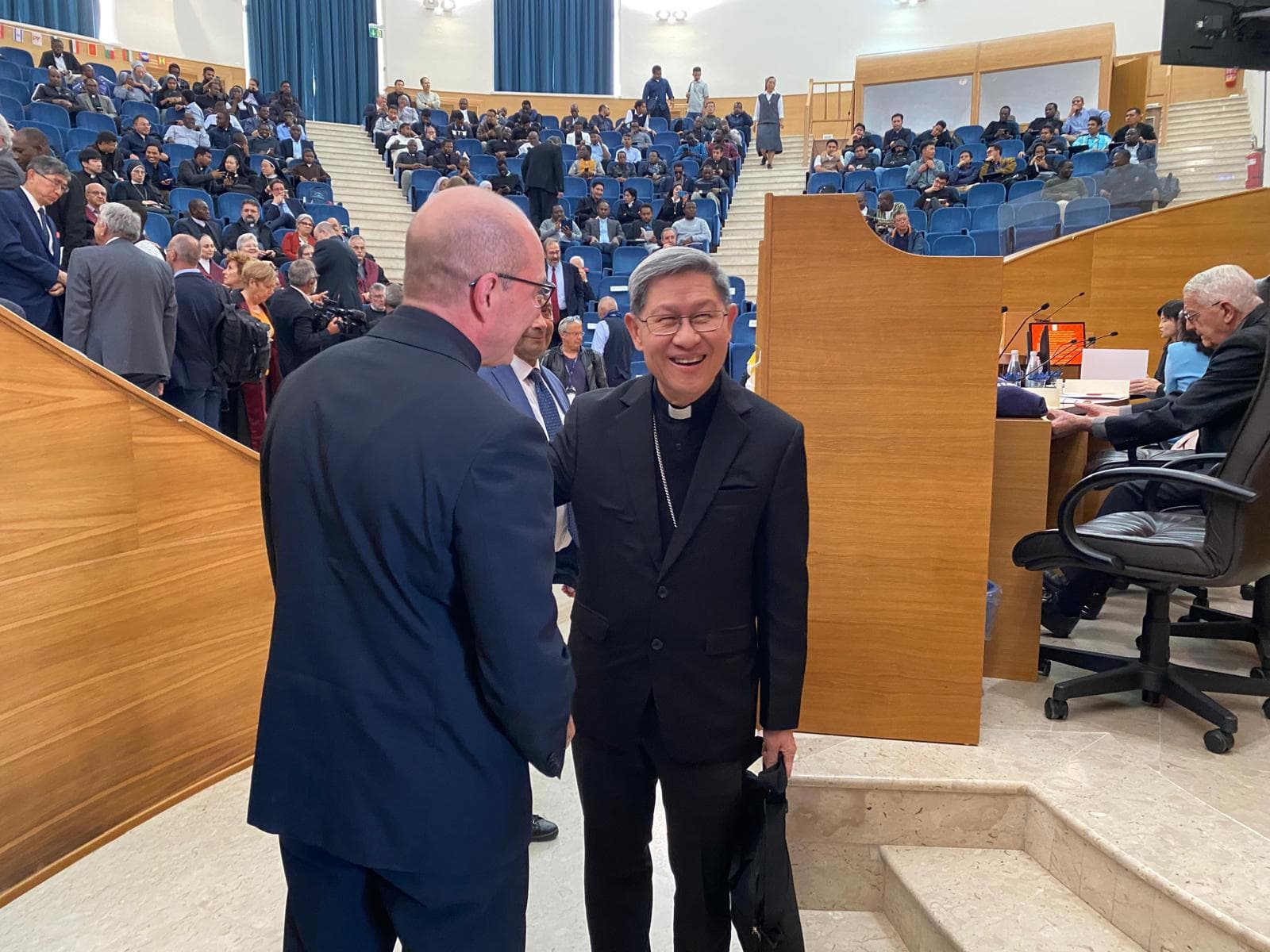
FABC, CELAM, and SECAM, the three continental episcopal conferences, released a paper that is also a shared commitment, calling on world governments to adopt a non-proliferation fossil fuel treaty. For Caritas International, the role of women is crucial in addressing climate change.