In China's Silicon Valley, the number of cases handled in 2025 jumped considerably over the previous year, far above the national average. Court guidelines in Shenzhen stress that artificial intelligence should not replace judges, but the lack of uniform national standards could accentuate inequalities between various parts of China.
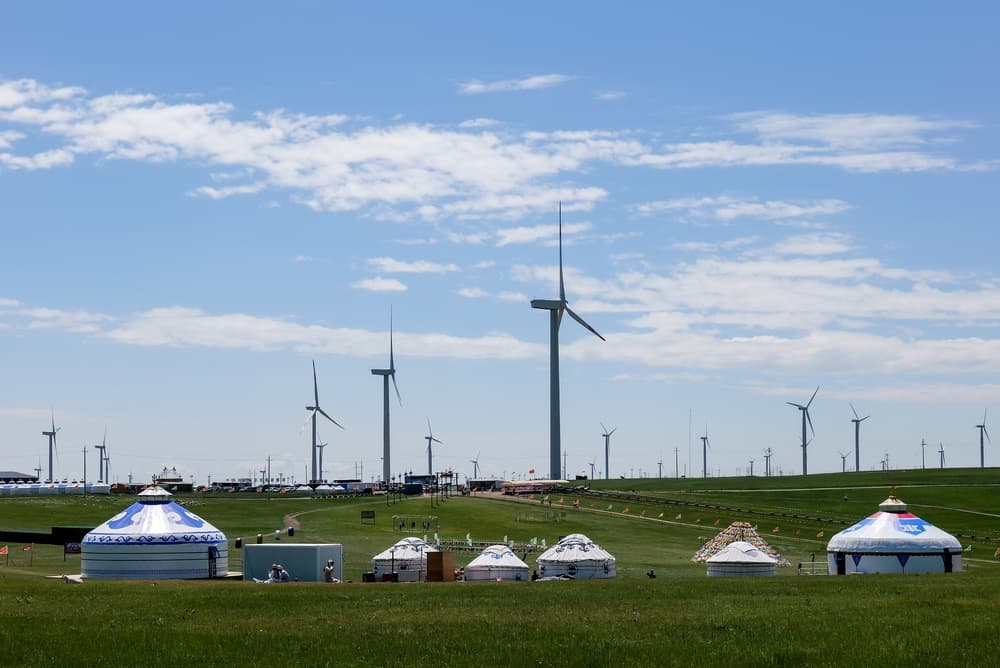
Nepal has sent diplomatic notes to India and China protesting the reopening of the Lipulekh corridor for the Kailash Mansarovar pilgrimage. It claims sovereignty over the area, whose borders date back to colonial times. The Nepali government claims it was not consulted and accuses India of unilateral actions, while China, although remaining on the sidelines, has so far effectively backed India's position.
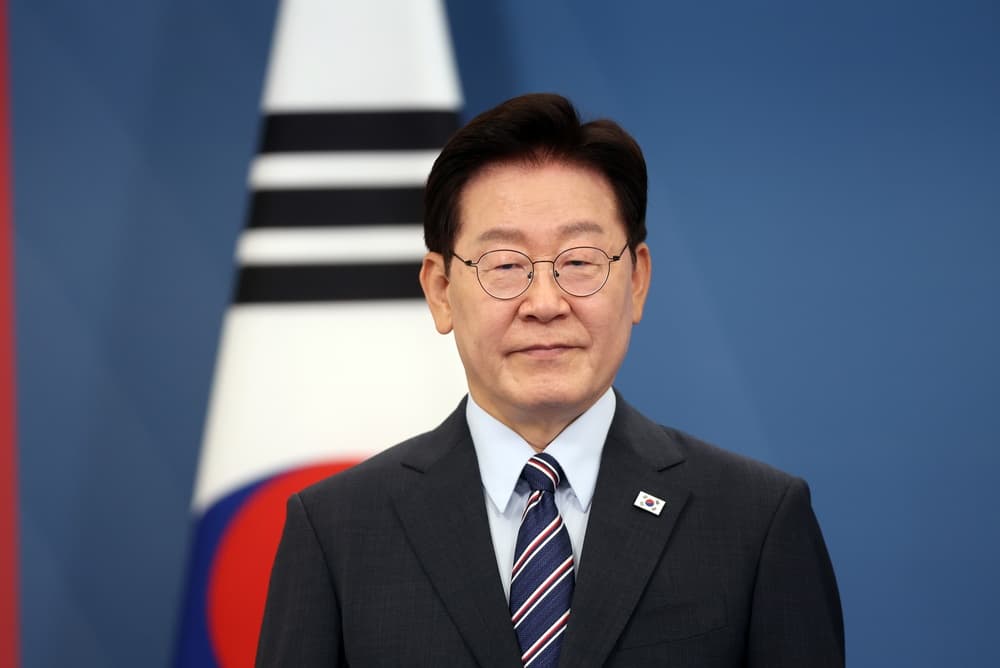
A trade union is threatening an 18-day production stoppage if its demand for bonuses proportional to the group’s record revenues is not met. The production halt would create a shortfall of nearly 0 million. President Lee calls on workers and trade unions to act “responsibly” against excessive demands and urges greater “solidarity”.
According to the latest report from the Stockholm International Peace Research Institute, global military spending reached US$ 2.887 trillion in 2025, marking the eleventh consecutive year of growth. In Asia, growth is driven by China, Japan, India, and Taiwan, due to strategic rivalries and uncertainty over the role of the United States. In the Middle East, Israeli spending was down, but Turkey’s and Saudi Arabia’s were up.
From India to Australia, Tibetan expatriates in 27 countries elected the 45-member assembly with 93 candidates running. Just over 91,000 voters cast their ballot. The five-year parliament, based in Dharamsala, serves as the representative body for the approximately 150,000 Tibetans living in exile. Young voters call for greater attention to the community's future.
The meeting between North Korea’s leader and Belarus’s Lukashenko marks a new course. The North Korean regime is managing its isolation as a strategic resource rather than simply enduring it. Pyongyang is choosing its interlocutors, building relationships, and using the diversification of its partners as a tool to maintain its autonomy from Beijing and Moscow with a growing focus on Southeast Asia at the expense of South Korea.