








Singapore battles crow menace: they are 'aggressive and out of control'
After a six-year hiatus, the hunt for the animal resumes due to a “sharp increase” in incidents. “Non-lethal” control measures have proved ineffective. The authorities are talking about an environmental and public health emergency. The aim is to maintain the title of cleanest city in the world in the face of one of its “most cunning invaders”.
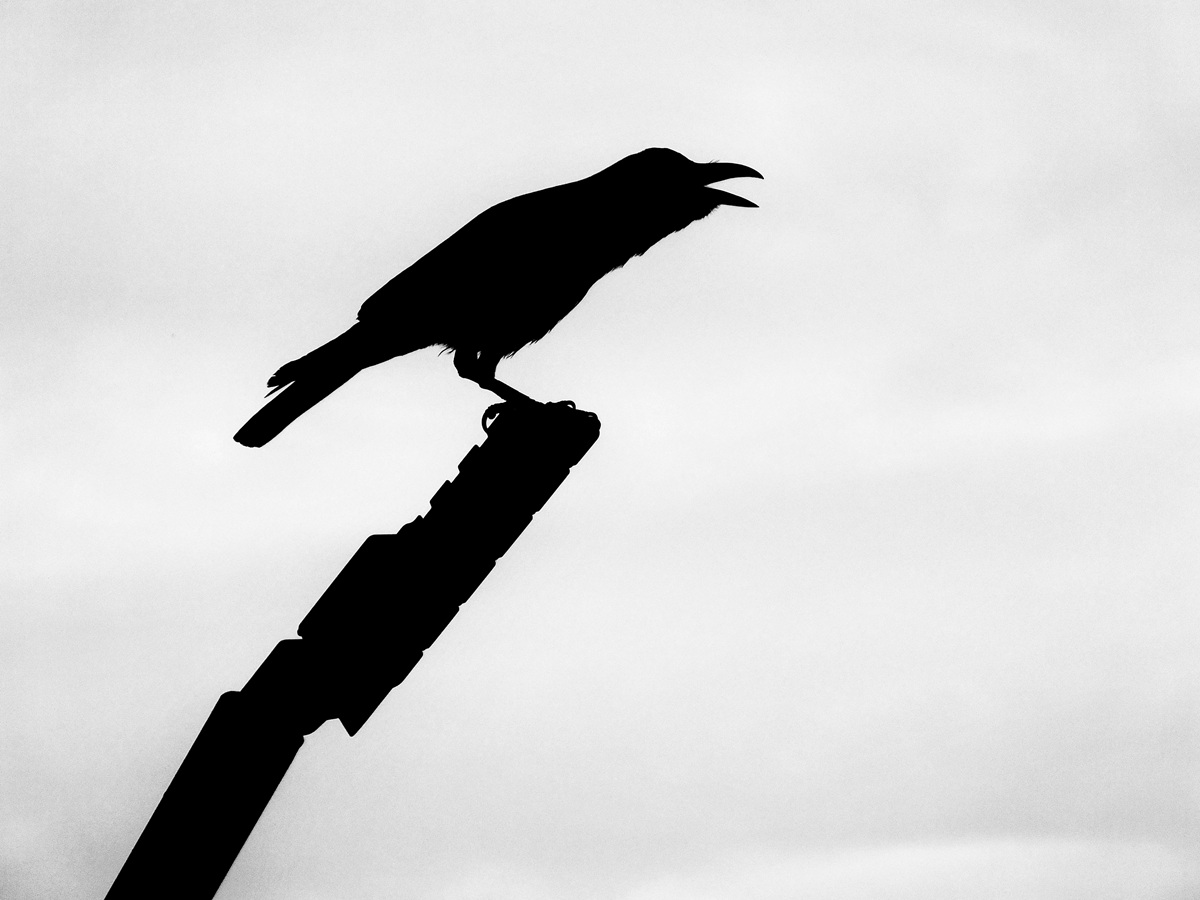
Singapore (AsiaNews) - After a six-year hiatus, the culling of house crows is set to resume in Singapore from the second half of March. Minister for National Development Chee Hong Tat announced the decision recently, citing a sharp rise in crow-related incidents and the limited effectiveness of non-lethal control measures.
Crow management in Singapore has a long history, dating back to 1973, with trained shooters from Certis Cisco and the Singapore Gun Club previously deployed to control the population. Shooting operations were halted in 2020 after pellets inadvertently struck nearby residences—a result of human error and lapses in safety protocols. Enforcement action was taken against those involved.
Since the cessation of shooting, reports of crow nuisance and attacks have surged. In 2025 alone, the Municipal Services Office received about 15,000 complaints, three times the nearly 5,000 reports in 2020. Complaints ranged from noise and soiling to feeding violations, while reported attacks jumped to over 2,000 cases from just more than 460 in 2020.
“If the crow population continues to grow unchecked, residents’ safety will be increasingly at risk,” Chee told The Straits Times. “We should not wait for this to happen before taking action. I have therefore asked NParks to bring back shooting as a measure to manage the crow population.”
House crows: Clever, aggressive, and hard to control
House crows, an invasive species, pose a threat to Singapore’s native biodiversity and urban hygiene. These highly intelligent birds fiercely protect their young and can attack if they sense a threat. Their droppings, particularly near residential areas, create unsanitary conditions that can affect public health.
Non-lethal measures have included trapping, nest removal, and reducing human food sources, but these have proven insufficient. NParks removed nearly 9,000 crow nests island-wide in 2025, up from just over 600 in 2021. Trapped and removed crows rose from more than 1,800 in 2021 to over 13,000 in 2025. Despite these efforts, the crow population continues to grow, demonstrating the birds’ adaptability and tendency to become trap-shy.
Fieldwork has also included experimental solutions. Between 2023 and 2024, NParks set up baited cages in areas such as Toa Payoh, Bishan, and Siglap to capture and humanely euthanise the birds. In 2025, plastic crow effigies were placed on trees to deter large gatherings, a method that has shown some success in overseas cities.
Safety measures and public assurance
The return of crow shooting carries inherent risks, but the ministry has promised “enhanced safety measures.” Shooters will undergo training and follow strict protocols, including firing pellets upward to ensure trajectory safety. Shooting zones will be cordoned off with clear signage and safety personnel deployed to prevent unauthorised access.
Parliamentary attention has also highlighted the urgency of the problem. In September 2025, Aljunied GRC MP Kenneth Tiong asked how MND was addressing crow-related nuisance and safety threats in residential estates. MND confirmed collaboration with the Singapore Police Force and NParks to resume shooting operations as part of broader efforts to curb the crow population.
As Singapore prepares to resume this controversial measure, it underscores the city-state’s commitment to public safety, hygiene, and maintaining its reputation as the world’s cleanest city—even when faced with one of its most cunning urban invaders.

.png)
07/02/2019 17:28
11/08/2017 20:05










