








Taliban defend poppy ban, but synthetic drug use is up among Afghans
During a meeting today with UN officials and foreign representatives, Afghan authorities stated that the decline in opium use is due to the ban on poppy cultivation imposed in 2023. However, a UN report highlights an increase in the use of methamphetamine and sedative drugs, especially among young men facing economic hardship.
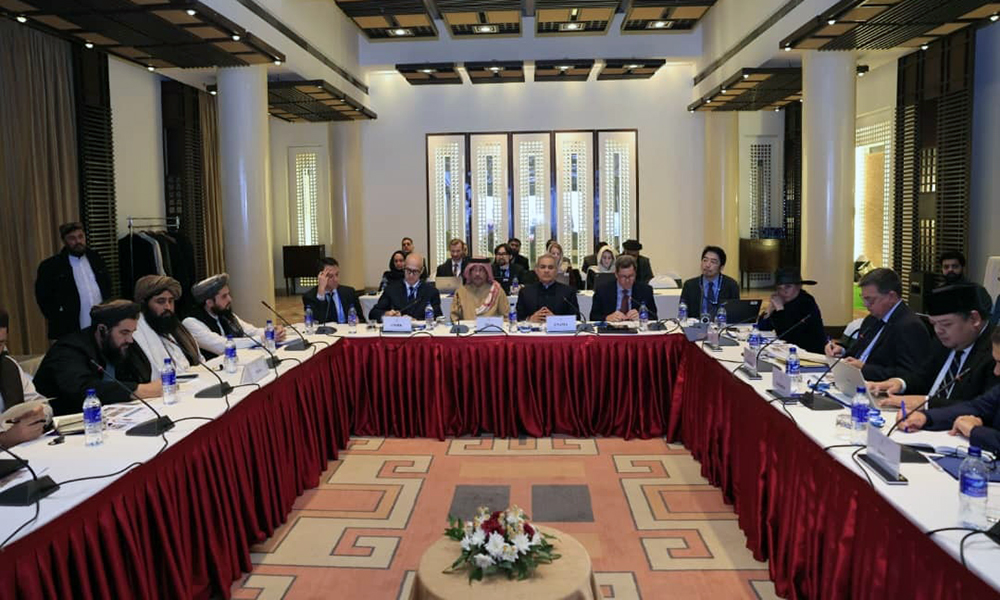
Kabul (AsiaNews/Agencies) – This morning, United Nations officials, foreign diplomats, and technical experts gathered in Kabul for a conference on countering drug production and trafficking from Afghanistan, as part of the Doha Process, a platform established in 2023 to foster cooperation with the Taliban, whose government does not yet formally enjoy international recognition.
A few days ago, the United Nations Office on Drugs and Crime (UNODC) published a report on drug use in the Afghan population. It found that traditional substances (such as hashish) remain the most widespread, but that the use of synthetic drugs (methamphetamine, Tablet K) and pharmaceuticals (codeine, barbiturates) is also on the rise.
During the meeting, the fourth of its kind, hosted by the United Nations Assistance Mission in Afghanistan (UNAMA), representatives of the Islamic Emirate argued that the ban on poppy cultivation imposed in 2023, two years after their return to power, had reduced opium production in the country.
The Taliban stressed the need for alternative livelihoods for farmers and the implementation of rehabilitation and reintegration programmes for drug addicts.
The UNODC report starts by saying that "operational constraints and restrictions imposed by De Facto Authorities (DfA) limited proper sampling and data collection,” making it skewed, especially due to the significant underrepresentation of women.
The results confirm the decline in opium use, but also highlight that drugs primarily affect young married men working in agriculture or the informal economy, with low levels of education and often with pre-existing health problems.
What is more, while drug users are not socially marginalised, they are more vulnerable economically and health-wise. Work-related stress and difficulties accessing treatment programmes are factors that encourage drug use and self-medication.
Cannabis remains the most widely substance, while the use of pharmaceuticals such as sedatives and tranquillisers has increased over the past year, replacing opium and heroin.
Many respondents reported that, in their perception, the use of certain methamphetamine pills, called Tablet K, and drugs such as Pregabalin, an anticonvulsant that acts on the nervous system and is commonly used for neuropathic pain, epilepsy, or generalised anxiety disorder, is particularly widespread in the capital, Kabul.
In some provinces, however, the perception that heroin is the most popular drug is still strong.
About 12 per cent of men interviewed reported having combined multiple substances in the past month, mixing cannabis, opium, and methamphetamine.
At the same time, the costs are extremely high: daily methamphetamine use can cost 138 per cent of an unskilled worker's daily wage or 67 per cent of a skilled worker's wage.
The reasons cited for drug use include unemployment, economic hardship, and poverty, but also pain, psychological distress, family tensions, and poor health.
In several points, the report highlights that while men in Afghanistan have limited access to healthcare, severe difficulties persist for women as well.
Doctors without Borders, which runs a paediatric centre in Khost province, yesterday reported that it assisted in 21,805 births, adding that 1,834 newborns were admitted to neonatal intensive care units due to serious health conditions.
The organisation also noted that Afghanistan continues to have one of the highest infant mortality rates in the world due to a lack of equipped facilities and specialised services.

.png)
11/02/2011










