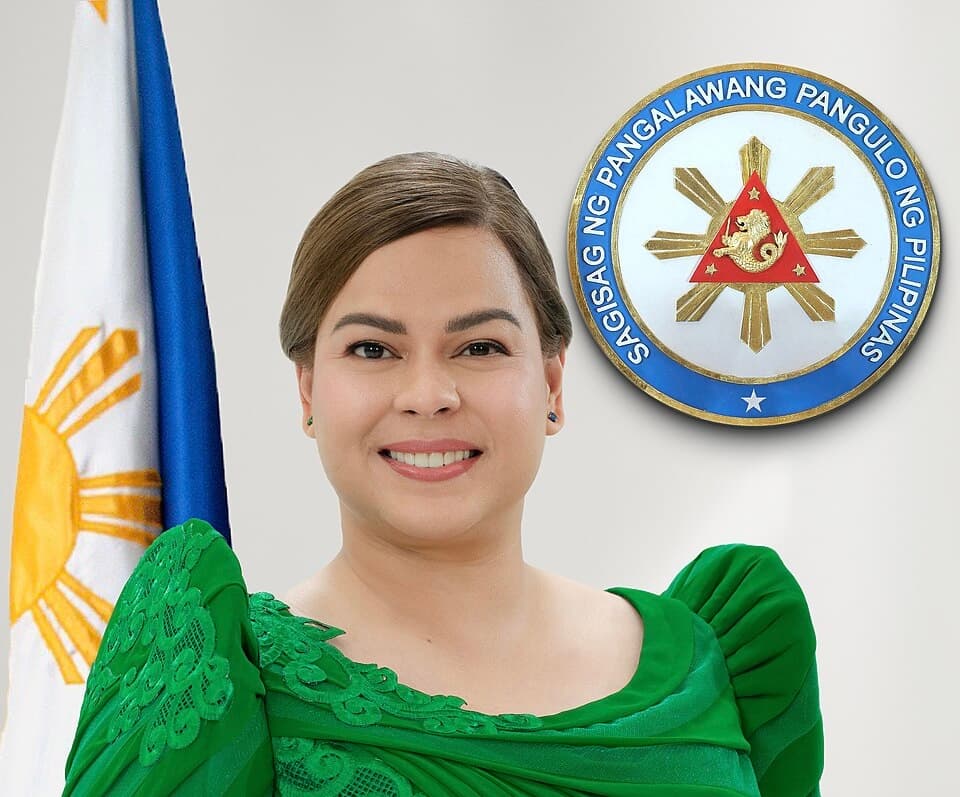
Milan (AsiaNews) – Impeachment proceedings began today in the Philippine Senate against Vice President Sara Duterte, who is accused of mishandling public funds, amassing unexplained wealth, and making death threats against the president, his wife, and the speaker of the House of Representatives.
This comes at the end of a long and complex process, complicated by political positioning, that could lead to a decision that will not only shape the fate of the 48-year-old as the second-highest office holder in the country, but also her and her political party's fate in the 2028 presidential elections.
Furthermore, Sara Duterte is also implicated in the proceedings initiated at the International Criminal Court in The Hague against her father, Rodrigo Duterte, who stands accused of crimes against humanity for his so-called war on drugs, which played a central role in his presidency (2016-2022).
Philippine bishops have also weighed in on the matter, expressing their hope that the trial could proceed without further delay.
The outcome of the Senate proceedings will be a turning point in the country’s political life against the backdrop of an acrimonious conflict not only between opposing parties, but also between the Duterte clan and that of incumbent President Ferdinand Marcos Jr.
This is bound to shape the internal and external perception of democracy and justice in the Philippines, as well as the problematic relationship between them, and not only because it could last a long time, depending on the number of witnesses, the evidence admitted, and the procedural demands.
Essentially, credibility is at stake for the 24-member Senate, called upon to adjudicate by a two-thirds majority, based on a high sense of responsibility, not on alliances or personal relationships overlooked by voters' “forgetfulness”, excessive tolerance, and partisanship.
In this regard, the precarious electoral alliance between Ferdinand Marcos Jr. and Sara Duterte in 2022 showcases the peculiarities of a system where dynasties still control a large portion of government offices and the pools of votes usually tied to the families’ territorial strongholds.
The rift that followed shortly after the election not only soured relations between the president and his vice president, who occupy offices of high moral and ethical as well as political importance, but also impacted the Philippine Congress.
Impeachment complaints were first filed in House of Representatives against Sara Duterte in December 2024, almost a year after the first accusations were made. One was approved in February 2025, only to be halted by the Supreme Court, which put it on hold in June 2025 until last February 2026, when the House reconsidered the case, subsequently sending it again to the Senate which is mandated by the constitution to act as court in such cases.
What some political and social groups view as a coup occurred on 11 May when the pro-Duterte faction in the upper house achieved a majority and elected Alan Peter Cayetano, vice president under Duterte Sr., as its speaker, after former police chief Ronald dela Rosa, also a Duterte loyalist, returned to the chamber after several months, despite an international arrest warrant against him for the same crimes attributed to Rodrigo Duterte.
A month later, the post of Senate speaker changed again. Now, with some senators wavering, and the indictment of Senator Rodante Marcoleta, a Sara Duterte ally, for illicit gains, the impeachment process could see new twists and unpredictable turns.