








Cyclone Ditwah: race against time to stop spoiled food from reaching markets
More than 2.3 million Sri Lankans have been affected by the natural disaster that struck the country on 28 November. An estimated three million livestock died in the disaster, while flood-damaged rice still ended up for sale. About 20 per cent of the country's rice fields were destroyed by the floods.
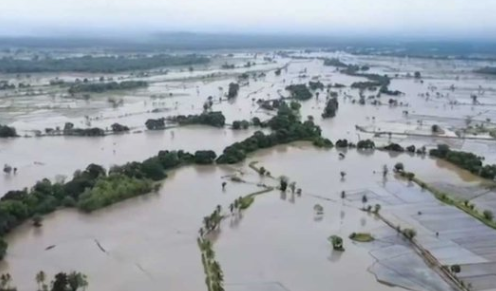
Colombo (AsiaNews) – More than 2.3 million Sri Lankans, about half of them women, live in the areas affected by Cyclone Ditwah, which hit the country on 28 November, flooding more than 1.1 million hectares, nearly 20 per cent of its territory with severe damage to homes, infrastructure, and essential services, as well as causing more than 600 deaths.
Approximately 1.2 million women, 522,000 children and 263,000 senior citizens were affected, placing severe pressure on essential services.
Described “as one of the worst flooding disasters to hit Sri Lanka in decades,” the cyclone hit regions and sectors already destabilised by the country’s worst economic crisis since independence.
The consequences in many sectors have been severe, with health authorities facing a huge challenge, i.e. how to prevent spoiled and unsafe food from reaching markets.
The situation is compounded by pollution along about 143 kilometres of Sri Lanka's coastline, caused by the flooding, while large swathes of rice paddies have been devastated.
According to researchers, the cyclone generated economic losses estimated at between 3 and 5 per cent of the country's GDP, with repercussions on post-crisis recovery. The government, for its part, has estimated losses at between US and US$ 7 billion.
The cyclone has exposed Sri Lanka's infrastructure weaknesses, gaps in disaster preparedness, and persistent social inequalities.
A serious problem now is the possibility of spoiled food, particularly rice and meat, entering the market. More than three million livestock are estimated to have died during the disaster, while stocks of rice damaged by floodwaters have been sold.
“Livestock farms in several districts have been swept away, and poultry have died;” yet “many individuals are trying to sell meat from dead animals to unsuspecting buyers,” report academics Sampath Alwis, Pradeepa Gunathilake, and Shirantha Dissanayaka speaking to Asia News.
In fact, “contaminated meat, vegetables, grain stocks, rice, and other foods exposed to floodwaters are currently circulating in markets. Many of these products have been repackaged, processed, and sold, posing a serious threat to public health,” they added.
“Last weekend, public health inspectors discovered an illegal operation involving the processing and distribution of flood-damaged and unfit-for-consumption rice in Harispattuwa, Kandy,” the scholars explained. “During the raid, about a thousand kilos of contaminated rice was seized. The public's role is crucial in reporting suspicious outlets or products.”
According to senior officials at the Marine Environment Protection Authority (MEPA), severe flooding caused by Cyclone Ditwah contaminated 143 kilometres of Sri Lanka's coastline, leading to serious environmental damage along the coastline, which will require some 5,280 person-hours to restore.
The most affected areas include the coastal areas of Colombo, Negombo, Chilaw, Puttalam, Kalpitiya, and several areas in the Eastern Province. Debris, waste, and personal items washed up during floods and landslides across the country and transported by rivers have ended up along the coast.
Rubbish from the Indian coast has also reached Sri Lanka's beaches, worsening the pollution. MEPA is mobilising contracted emergency personnel, and operations are expected to last more than three weeks.
"Since 20 per cent of the paddy fields have been destroyed by the floods, it will initially be necessary to clear the fields before cultivation. It could take some two weeks to remove sand and silt,” said crop science scholars Oshantha Rathnayaka and Senarath Chandrasekara.
In their view, “It would be better to grow three-month cycle rice varieties, which can be obtained from farmers in areas not affected by the floods, since the Department of Agriculture will not be able to supply the necessary seeds”.
Still, “the authorities ought to provide sufficient fertilisers to farmers to enable recultivation, since the latter have already used what they had bought.”

.png)
26/10/2021 16:31
24/10/2022 15:30
18/10/2022 13:28
15/11/2022 16:24










