








Energy crisis: Manila moves some ASEAN events online
The Philippines, which this year holds the rotating presidency of the organisation representing Southeast Asian countries, announced the cancellation of on-site events, except for the two summits of heads of state and government in May (Cebu) and November (Manila). The COVID-19 pandemic set a precedent. Some Philippine lawmakers are calling for some ASEAN funds to be allocated to anti-crisis measures.
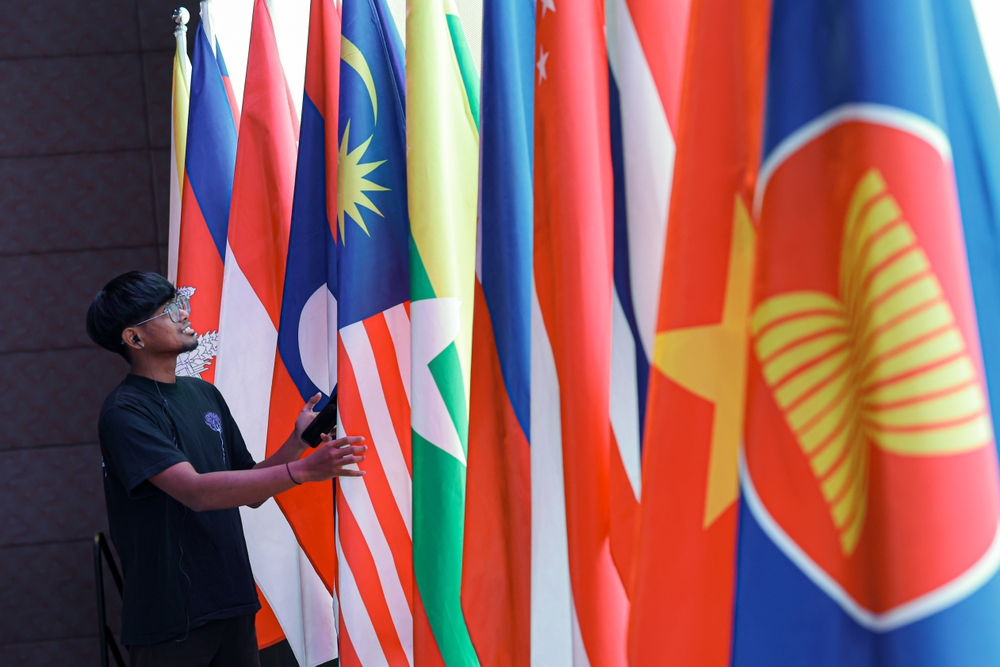
Manila (AsiaNews/Agencies) – The Philippines has announced that most ASEAN meetings in 2026 will be held online, after President Ferdinand Marcos Jr. issued a state of energy emergency. The Philippines currently holds the rotating presidency of the Southeast Asian regional body.
This is yet another knock-on effect of the global crisis triggered by the war raging in the Middle East for the past month, paralysing travel and making large on-site events much more expensive.
According to the announcement by Ralph Recto, president of the ASEAN National Organizing Committee, all meetings – from working groups to ministerial meetings – will be held virtually.
Only two, scaled down summits will be held on site in May 2026 in Cebu and November 2026 in Manila. The May meeting, in particular, will be bare bones, focused exclusively on urgent issues related to the global crisis arising from tensions in the Middle East.
Priority issues include energy security, food security, and the protection of migrant workers, crucial issues for many ASEAN countries heavily dependent on Middle Eastern energy resources.
Recto noted that, despite the reduction in face-to-face events and the curtailing of summits’ more ceremonial aspects, ASEAN will continue to pursue its main objectives, i.e. strengthening regional unity and developing common responses to global challenges.
“The pomp and the pageantry will have to give way to problem-solving,” he stated, emphasising, however, that traditions will still be respected.
The decision to move to an online format is also driven by the need to contain costs.
The 2026 national budget allocated about 17.5 billion pesos (around US$ 290 million) to ASEAN events, but some Philippine lawmakers have suggested allocating part of these funds to mitigate the effects of rising oil and food prices.
This is not the first time for ASEAN to adopt virtual working methods – during the COVID-19 pandemic, in 2020 and 2021, summits were held online chaired by Vietnam and Brunei.
On that occasion, too, the bloc successfully addressed critical issues, such as the management of the pandemic and the crisis in Myanmar.
Still, the Philippines faces a challenging presidency, compounded by global economic uncertainty. One of its key goals is the completion of a Code of Conduct in the South China Sea by 2026, a strategic milestone for the region’s stability.

.png)
12/02/2016 15:14










