








From the ice of Hokkaido to the Olympic podium: how Japan nurtures skating talent
Over the years, Japan has built a figure skating tradition capable of producing champions much loved at home. These successes are rooted in rigorous training and early selection. Since the 1990s, the Japan Skating Federation has built a national team that teaches athletes how to cope with pressure from a young age.
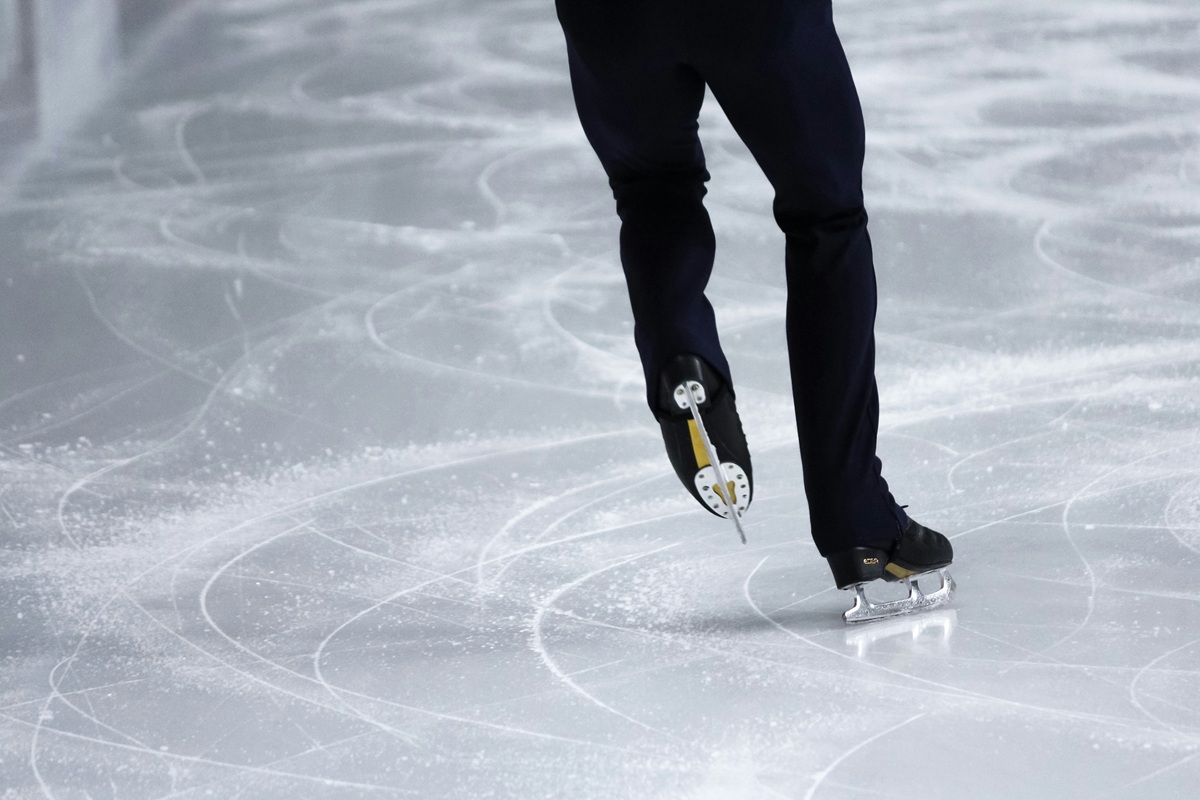
Tokyo (AsiaNews) – The men's singles figure skating podium at the Milano Cortina Winter Olympics has been shaken up after the poor performance of the favourite, Uzbek-American Ilia Malinin, who failed to handle the pressure and slipped to eighth place.
The gold medal went to Kazakh Mikhail Shaidorov, while the silver and bronze medals went to Yuma Kagiyama and Shun Sato, both from Japan, where ice skating has over the years morphed into a cultural wonder capable of combining entertainment and national identity.
The roots of skating in Japan lie in the northern regions of the country, particularly the island of Hokkaido, where the harsh climate has favoured practice on natural ice since the early 20th century. Here, skating (especially speed skating) became a popular school sport.
This region, now also known for producing several curling champions, provided 41 of the 120 Japanese athletes competing in Milano Cortina. The women's curling team from the city of Tokoro has qualified for eight consecutive Olympics.
But until 1992, the Land of the Rising Sun had never won a medal in figure skating. Since then, Japan, which hosted the Winter Olympics twice, has produced world-class champions, turning the competitions into highly watched television events.
Today, even three-year-olds are seen wearing their first skates at ice skating rinks.
Midori Ito, the first woman to perform a triple axel in competition, led the way with a silver medal at the Albertville Games, followed by skater Shizuka Arakawa's Olympic gold medal at Torino 2006.
The movement reached its peak with Yuzuru Hanyu, a two-time Olympic champion who became a near-legend in his homeland – his fans threw so many Winnie the Pooh dolls at the end of the competitions that they completely covered the rink.
Another figure much loved by the public is skater Mao Asada, affectionately known as "Mao-chan," who won three world titles but never an Olympic gold medal.
At the 2010 Vancouver Games, she finished second, and four years later, in Sochi, former Prime Minister Yoshirō Mori commented on her performance, saying, "She is always falling at the most critical time”, which sparked outrage among the Japanese public, who loved Asada for her sunny disposition.
Many Japanese skating coaches believe that the sport's popularity today has been fuelled by the successes of previous generations. At the same time, the discipline is respected for its technical rigour and demand for self-control, qualities highly valued in Japanese sports culture.
However, after Midori Ito's silver medal in Albertville in 1992, when she finished second despite being the favourite to win, the Japan Skating Federation realised that it was necessary to create a strong team so that no talented athlete would have to endure all the pressure, as Malinin did.
Since then, the Federation's summer camps for children aged 9 to 12 have played a fundamental role: the young hopefuls are selected each year by their respective teams and are evaluated on every aspect, from their technical and dancing skills to their everyday attitude.

.png)
15/02/2025 15:32
06/02/2026 18:46










