








Fuel shortages: Myanmar limits traffic, promotes Chinese electric vehicles
A new traffic system for private vehicles goes into effect tomorrow in Myanmar to address cuts in fuel imports due to the Mideast war. Electric vehicles are exempt. The EV sector is dominated by companies linked to General Min Aung Hlaing's family, while blackouts continue across the country.
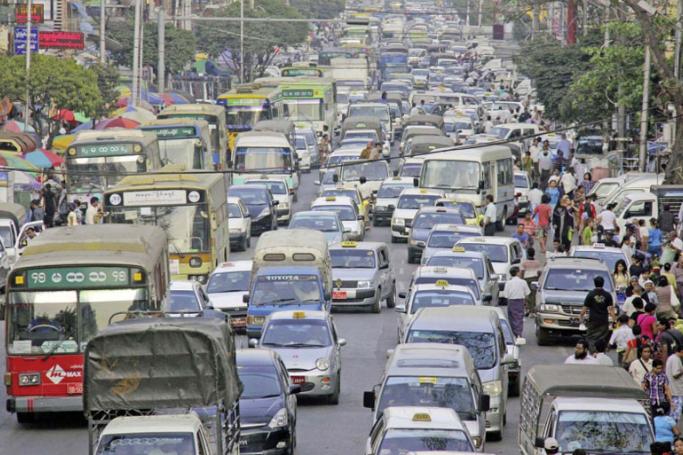
Yangon (AsiaNews) – A new fuel rationing system will go into effect tomorrow, 7 March, restricting the use of private vehicles based on their licence plate number. Vehicles with odd numbers will be allowed on the road only on odd-numbered days, while those with even-numbered plates will be allowed only on even-numbered days.
The military junta that seized power in February 2021, officially known as the State Administrative Council (SAC) until 31 July 2025, introduced the measure in response to severe fuel shortages caused by the war in the Middle East.
Myanmar depends almost entirely on foreign energy supplies and is therefore particularly exposed to international crises. However, many believe the situation is also linked to the Chinese-dominated electric vehicle (EV) sector, which is directly controlled by the children of junta leader General Min Aung Hlaing.
The restriction, which does not apply to public transportation, municipal vehicles, ambulances, and electric vehicles, sparked criticism right away because the country's electricity system is highly unstable.
In many cities, blackouts last much of the day, making it nearly impossible to recharge vehicles. The junta, however, is promoting the use of EVs, banning the import of new petrol or diesel cars, claiming this would allow the country to maintain its foreign currency reserves.
EVs and their components have been given preferential tax treatment while state media have portrayed the policy as an attempt to modernise the country.
In fact, General Min Aung Hlaing’s family is directly involved in the EV sector. His son, Aung Pyae Sone, owns shares in companies importing Chinese BYD electric vehicles, while his daughter, Khin Thiri Thet Mon, controls companies involved in the import of MG electric cars and the management of charging stations, primarily in Yangon.
Thus, the odd-even licence plate system risks becoming an indirect incentive to purchase EVs; however, their cost, poor infrastructure and frequent blackouts mean that they are limited to a small urban elite, out of reach for most people.
The energy crisis is also exacerbated by developments in Southeast Asia, not just the war in the Middle East. In recent months, Thailand has reduced fuel and electricity supplies to some Myanmar border towns, including Myawaddy, in its fight against criminal networks linked to online scams operating in the area.
The measure, known as the "Three Cuts" policy, seeks to strangle the economic lifelines helping criminal gangs that operate scam centres. This decision has had several side effects.
Since individual travellers can still cross the border to refuel, many Myanmar motorists have flocked to the Thai city of Mae Sot, connected to Myanmar by the Friendship Bridge over the Moei River, causing long queues at the border and fuelling fears among Thai residents that gas stations could run out of fuel.
By and large, for millions of Myanmar citizens, private vehicles are an essential means of getting to work, and reach markets, hospitals, and schools, especially where public transportation is poor or nonexistent.
With the new traffic restrictions, workers, traders, and small business owners are facing more economic hardships, while the military government has offered no financial compensation nor a deadline for the end of the odd-even licence plate policy.

.png)
18/11/2024 15:49
26/04/2024 16:51










